sundown
Window Tint Heat Rejection Technology Explained: Keeps Cars Cooler in Summer Efficiently
Summer heat can turn your car into an oven, making every ride uncomfortable and your air conditioner work overtime. Fortunately, window tint heat rejection technology offers a smart solution, blocking the sun’s invisible heat rays before they enter your vehicle. Understanding how these films work can change the way you think about tinting, not just as a style choice but as a proven investment in comfort, safety, and savings.
Window tint heat rejection films block up to 80% or more of the sun’s infrared (IR) rays, the primary source of heat entering a vehicle’s cabin. By reflecting and absorbing this infrared energy before it penetrates the glass, high-quality tints, especially ceramic ones, significantly reduce interior temperatures while lowering air conditioning usage and fuel consumption.
How Window Tint Reduces Heat
Window tint acts as a thermal barrier between the sun’s energy and your car’s interior. These films are engineered with ceramic particles, metals, or dyed layers that selectively block infrared (IR) rays, the part of sunlight responsible for most heat buildup. Rather than waiting for your AC to compensate, tint stops heat at the source.
High-quality ceramic tints block up to 99% of UV rays and around 80% or more of infrared heat. IR radiation accounts for roughly 53% of solar energy heating your cabin, compared to 44% from visible light and just 3% from UV. By intercepting that infrared energy, ceramic tints act like invisible thermal armor, without interfering with your vehicle’s electronics, a common issue with older metalized films.
When selecting a tint, look beyond the IR rejection percentage alone. Seek films with high Total Solar Energy Rejection (TSER) or a low Solar Heat Gain Coefficient (SHGC) for the most accurate picture of overall heat blocking performance.
Benefits of Car Window Tinting
The advantages of professional window tinting extend well beyond a cooler cabin. Whether you drive a sedan, SUV, or truck, these benefits apply across every vehicle type, with larger glass surface areas in SUVs and trucks delivering even more noticeable gains. Here are the most impactful benefits Sundown Window Tint customers experience:
Improved fuel efficiency. Studies show tinted vehicles use approximately 5% less fuel because a cooler cabin reduces the AC load, lowering engine demand. In Riverside, CA, where air conditioning runs heavily for much of the year, those savings add up quickly.
Glare reduction and safer driving. Tinted windows cut the intensity of sun glare, headlights, and reflective surfaces, reducing eye strain and improving reaction times. A driver from Riverside noted that after tinting, harsh glare from oncoming traffic was significantly reduced, making nighttime driving noticeably less stressful.
UV protection for you and your interior. High-quality tints block up to 99% of harmful UV rays, the culprits behind skin aging, increased skin cancer risk, and the fading and cracking of upholstery and dashboards. Ceramic tints achieve this without compromising signal quality for GPS or mobile devices.
Surface comfort. By cooling steering wheels, seats, and trim surfaces that would otherwise become painfully hot, professional tinting makes those first moments back in a parked car far more comfortable.
Types of Window Tint Films
Not all tint films are created equal. Choosing the right type depends on your priorities, budget, and how much time you spend in direct sunlight.
Dyed films are the most affordable option. They absorb sunlight and reduce glare but offer limited IR rejection, typically 20-30%. They can fade or discolor over time, making them better suited for older vehicles or tighter budgets.
Metallic films reflect rather than absorb heat, achieving 40-60% IR rejection. They are more durable than dyed films but may interfere with GPS, Bluetooth, and radio signals.
Ceramic films represent the gold standard. Nano-ceramic particles block up to 95% of infrared rays while maintaining clear visibility and zero signal interference. Ceramic tints keep interiors up to 30 degrees cooler and carry warranties of 12-15 years.
| Feature | Dyed Film | Metallic Film | Ceramic Film |
|---|---|---|---|
| Infrared Heat Block | Low (35-45%) | Moderate (75-85%) | High (90-95%) |
| UV Protection | Good (90-96%) | Very Good (up to 98%) | Excellent (99%) |
| Signal Interference | None | Possible | None |
| Durability | 3-5 years (fades) | 7-10 years (good) | 12-15 years (excellent) |
| Cost | Low | Moderate | Premium |
| Appearance | Matte/Dark | Reflective shine | Clearer, factory-like |
Sundown Window Tint specializes in matching customers with the right film for their vehicle, driving habits, and Southern California climate, ensuring every installation meets local regulations while maximizing performance.


Efficiency in Heat Rejection
The best measure of a tint’s real-world performance is its Solar Energy Rejection (SER) rating, the percentage of total solar energy the film blocks or reflects. Premium ceramic tints achieve SER values of 60-65%, compared to just 30-40% for basic dyed films. That gap is not simply a number on a spec sheet; it translates directly into a cooler, more comfortable cabin when you climb back into your car after it has been sitting under the Southern California sun.
Advanced graphene-infused films push performance even further, blocking approximately 94.5% of infrared radiation while also dispersing absorbed heat rapidly across the film surface. This prevents hot spots and reduces how much thermal energy transfers into your vehicle over time. Their mechanical strength, roughly 200 times that of steel by weight, means they resist scratches and maintain clarity far longer than conventional alternatives, giving Sundown Window Tint customers sustained protection across the life of their vehicle.
Importance of UV Protection
Standard automotive glass blocks only about 25% of UV rays, leaving drivers significantly exposed. High-quality window tints change that equation, blocking up to 99% of both UVA and UVB radiation. Research highlighted by the Skin Cancer Foundation shows that U.S. drivers experience higher rates of skin cancer on their left arm and face, directly linked to unprotected sun exposure through the driver-side window.
Beyond health, UV protection preserves your vehicle’s interior. Dashboards crack, upholstery fades, and resale value drops when sun exposure goes unchecked. Ceramic tints from Sundown Window Tint deliver robust UV defense while maintaining full compatibility with modern vehicle electronics.
Enhancing Comfort in Your Car
Professional window tinting improves cabin comfort on multiple levels simultaneously. Heat rejection keeps interior surfaces from becoming painfully hot, while glare reduction eases eye strain during low-angle sunrise and sunset driving. For residents of Riverside, CA, ceramic tint also provides a quieter ride, as multi-layered films add an insulating barrier that dampens external noise from traffic and construction. The combined effect reduces driver fatigue, sharpens focus, and creates a noticeably calmer, cooler, and safer driving environment on every commute and road trip.
Tips for Choosing the Right Tint
Selecting the right window tint comes down to four key considerations:
• Legal compliance: California has specific regulations on tint darkness and reflectivity. Always verify your chosen film meets state requirements to avoid fines or removal.
• Performance priorities: Decide whether heat rejection, UV protection, glare reduction, or noise dampening matters most to you, then match that priority to the appropriate film type.
• Long-term value: Ceramic films cost more upfront but typically last 12-15 years and outperform cheaper alternatives across every metric. For Inland Empire summers, the investment pays for itself quickly.
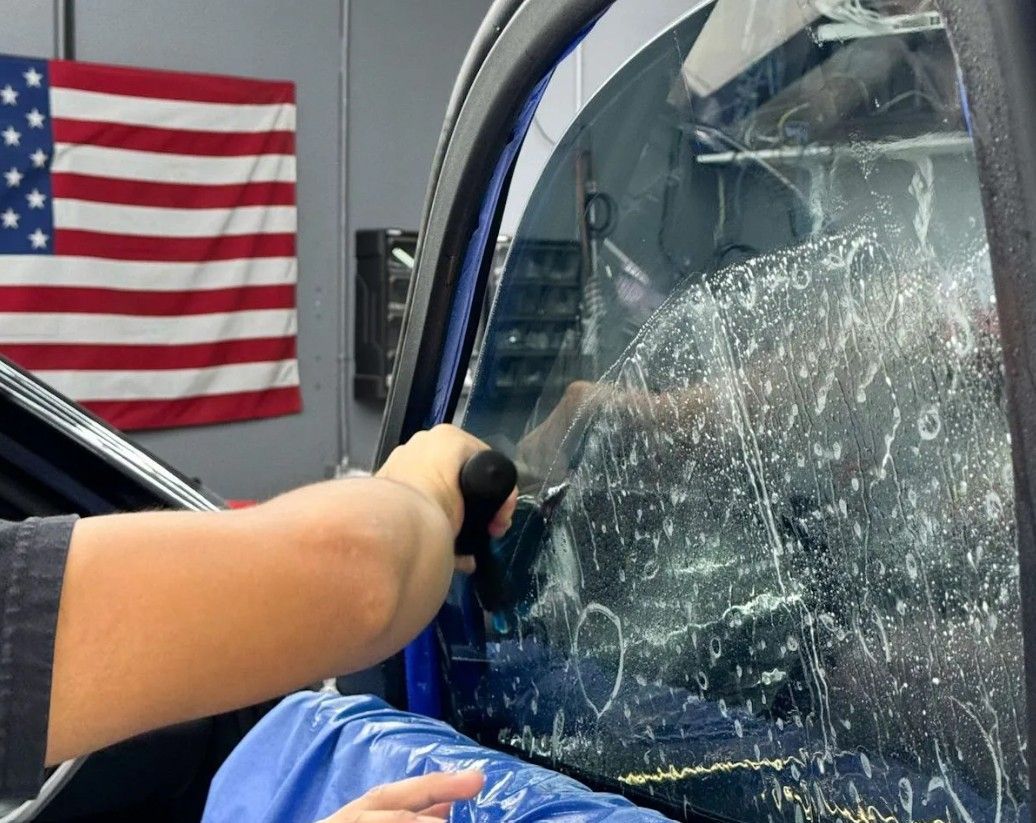
• Professional installation: Even the best film underperforms if installed incorrectly. Sundown Window Tint’s experienced team ensures a precise, bubble-free application backed by a warranty.
Keep Your Car Cooler, Safer, and More Efficient
Don’t let summer heat take over your driving experience. Upgrade to professional window tinting that actively blocks heat, reduces AC strain, and keeps your cabin comfortable every time you step inside.
At Sundown Window Tint, we help you choose the right heat-rejecting film for your vehicle, driving habits, and climate, ensuring long-lasting performance with a flawless finish.
Ready to feel the difference on your next drive? Call us at 951-359-0850 or contact us online to book your consultation today and give your car the comfort upgrade it deserves.
Frequently Asked Questions
How much of a temperature difference can heat-rejecting window tint make?
A quality heat-rejecting tint can drop interior temperatures by 30-40°F (17-22°C) on a hot summer day. By blocking infrared rays before they reach cabin surfaces, tinted windows reduce how hard your air conditioning has to work and how long it takes to cool the vehicle after parking.
What materials make window tints effective at rejecting heat?
The most effective films use ceramic nanoparticles or metallic layers to intercept and reflect infrared radiation. Ceramic tints block up to 70% of solar heat without any signal interference, making them the preferred choice for vehicles equipped with modern GPS, Bluetooth, and driver-assistance technologies.
Does window tinting affect visibility or driving safety?
When installed within legal limits using quality film, window tinting enhances safety by reducing glare by up to 50%. Properly selected tints improve contrast and reduce eye fatigue without meaningfully darkening your view. Overly dark tints can impair night vision, so choosing the right shade with professional guidance is essential.
Can window tinting reduce air conditioning use and improve fuel efficiency?
Yes. By blocking up to 60% of solar heat, quality window tints reduce interior temperatures by as much as 30°F, allowing your AC to reach a comfortable setting faster and maintain it with less effort. Independent studies estimate fuel savings of 5-10% for vehicles driven regularly in hot climates like Riverside, CA.