How Window Tint Upgrades Increase Your Car's Worth
If you've ever wondered whether upgrades like window tint or paint protection film (PPF) are really worth it, you're not alone. Many car owners hesitate, unsure if these protective touches actually help when it comes time to sell. The truth is, both window tint and PPF do more than just make your ride look cooler. They help keep your car in better shape longer, which means you can get a better price down the line. In this article, we'll break down exactly how these additions preserve your vehicle and boost its resale value.
Window tinting enhances resale value by improving aesthetics, increasing privacy, and providing UV protection that preserves the interior. Paint Protection Film offers protective benefits by preventing rock chips and scratches, maintaining the vehicle's exterior condition. While PPF may not significantly increase resale price for average cars, it adds tangible value for luxury vehicles by keeping paint pristine and appealing to discerning buyers.
Increasing Vehicle Resale Value
When you consider resale value, you're looking at long-term investment in your car's condition and appeal. Both window tint and PPF serve this purpose exceptionally well by protecting against two of the biggest enemies of a car's exterior: ultraviolet rays and physical abrasions.
Window tinting shields against UV damage that causes interior materials to fade or crack and exterior paint to dull prematurely. Paint protection film creates a nearly invisible armor against rock chips, scratches, and minor abrasions that would otherwise mar your vehicle's finish. Every chip or scratch detracts from appearance and serves as a visual cue that the car might have been neglected.
Industry data consistently shows that vehicles holding their value best tend to be those with minimal wear signs. The average retention rate for top models such as Toyota and Lexus hovers around 50 to 55% of their original MSRP after five years. While model choice plays a foundational role, protective aftermarket upgrades like tint and PPF complement it perfectly by sustaining visual appeal and preventing degradation.
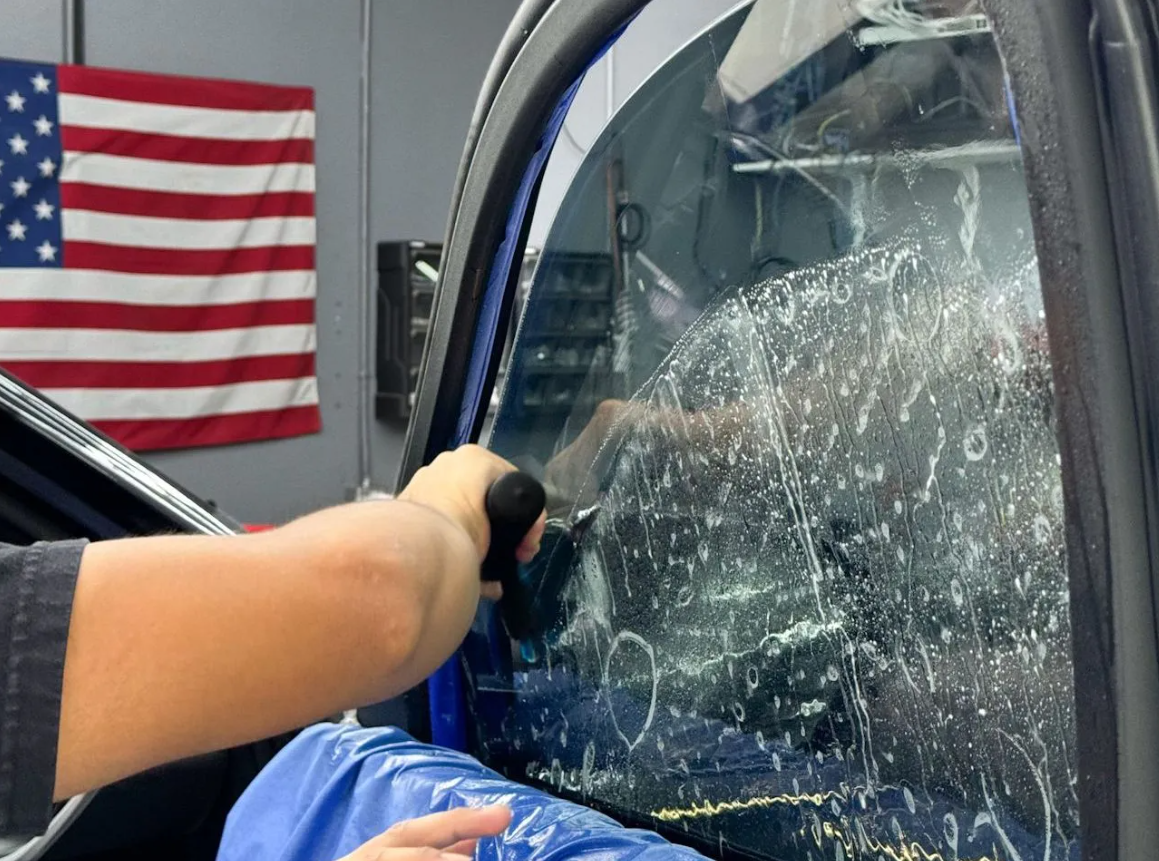
Vehicles featuring these upgrades often benefit from heightened buyer interest because these features signal careful ownership and reduced maintenance needs. This increased demand means faster sales and often better prices. To maximize these benefits, opt for professional installation services like those offered at Sundown Window Tint. Proper application minimizes risks of bubbling or peeling that can actually harm resale value if done poorly.
Benefits of Window Tinting
Car window tinting offers more than a sleek, polished look. One of the most immediate effects is glare reduction. Tinted windows dramatically cut down glare from bright sun or headlights, helping drivers maintain better visibility and reaction times. This safety improvement is a meaningful selling point for potential buyers.
Modern nano-ceramic and graphene-infused tint films block upwards of 99% of harmful ultraviolet rays. These rays are one of the biggest culprits behind skin damage for passengers and accelerated fading and cracking in dashboard plastics, upholstery fabrics, and leather seats. Tinted films function as a barrier preserving these components from premature wear, keeping interiors looking newer longer and making your vehicle more desirable to buyers who appreciate well-maintained cabins.
Heat rejection technologies in advanced films reduce interior temperatures by 20 to 30 degrees Fahrenheit on hot days by blocking infrared rays. This cooling effect lowers air conditioning load, saving fuel or battery energy while reducing wear on cooling systems over time. Buyers in warm climates or electric vehicle owners sensitive to battery range impacts find this feature especially appealing.
Tinted windows also provide enhanced privacy and UV-resistant surfaces that repel dust and water stains better than untreated glass, maintaining clarity and a fresh appearance far longer between washes.
| Benefit | Impact on Resale Value | Buyer Appeal |
|---|---|---|
| Glare Reduction | Enhanced safety | Safer daily driving experience |
| UV Protection | Interior longevity; reduced health risks | Family-friendly, healthier environment |
| Heat Rejection | Lower AC load and operating cost | More efficient and comfortable rides |
| Privacy and Durability | Maintained cleanliness and aesthetic | Sleek look with low upkeep |
Professional installation like Sundown Window Tint's certified service ensures each film performs to exact standards required for warranty coverage, protecting your investment through its lifespan of up to 15 years or beyond.
Impact on Aesthetics and Privacy
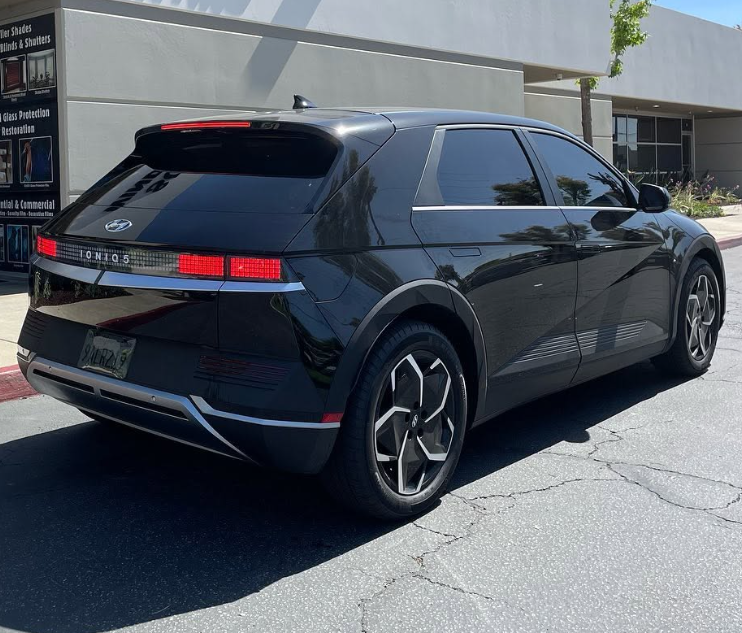
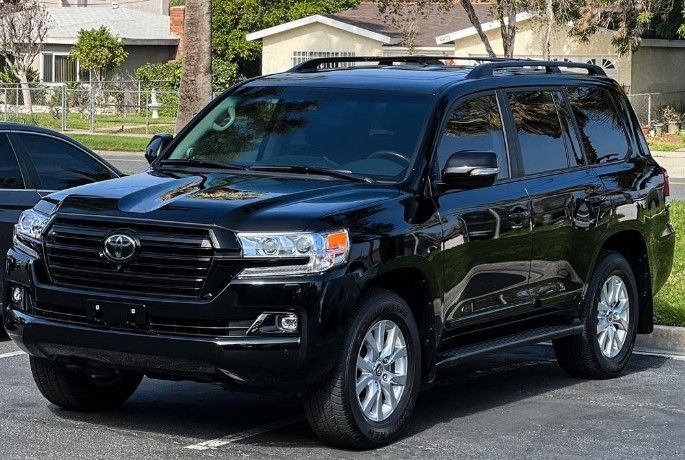
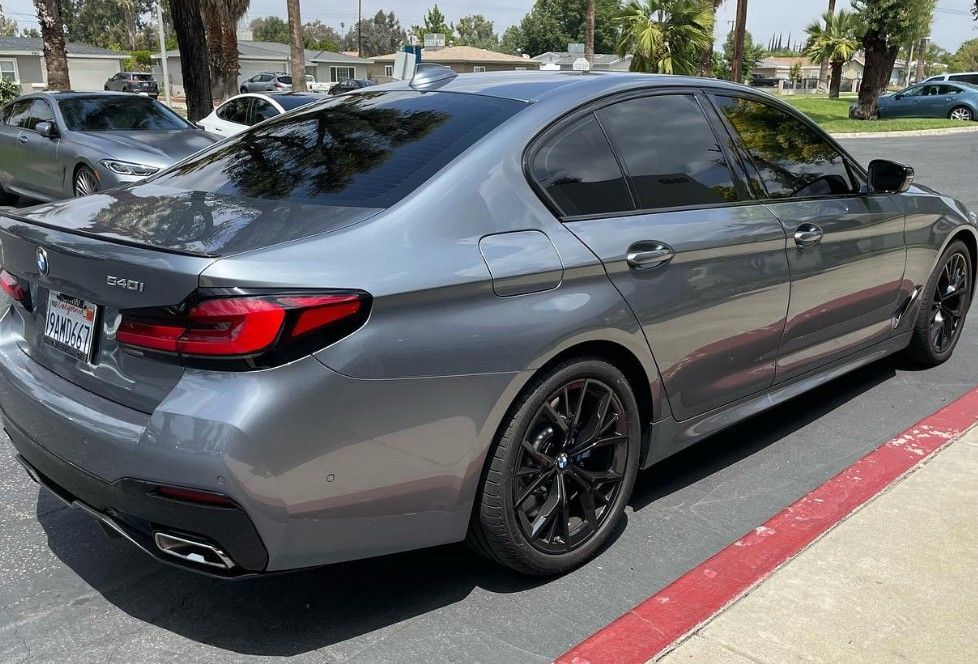
The visual appeal of a car plays an outsized role in its marketability. By adding a layer of consistent shade to the windows, tinting smooths out contrasts between glass and bodywork, lending a sleek, unified appearance that elevates even modest vehicles. A well-tinted car often reads as cared-for and valued, contributing to a sense of premium status that connects with potential buyers' desire for tasteful enhancements.
Beyond aesthetics, tinted windows offer a practical layer of privacy that is increasingly valued. They create a space shielded from prying eyes, protecting valuables inside the cabin and giving occupants a feeling of secluded comfort. This heightened privacy benefits everyday drivers as much as high-profile individuals. Knowing conversations or belongings remain out of public view during commutes or when parked in busy areas is a major selling point.
When considering tint options to maximize resale appeal, balance legal compliance alongside how dark or reflective you make the film. Overly dark tints may jeopardize safety and reduce buyer interest in some regions due to visibility laws, while moderate blends provide both style and assured legal clearance. Clear communication about tint specifications during sale discussions helps build trust by easing concerns over legality or potential removal costs.
UV and Heat Protection
Long-term UV exposure takes a serious toll on your car's interior. Dashboards fade, leather seats crack, and plastics become brittle and discolored. Window tinting serves as an effective barrier, with high-quality films blocking up to 99% of harmful UV-A and UV-B rays. Research from the Skin Cancer Foundation confirms that window tints significantly reduce UV exposure inside vehicles, slowing material aging considerably.
Heat buildup is another major issue that tinting addresses directly. Window tinting reduces internal heat by blocking a considerable share of solar infrared radiation, translating to an interior temperature drop of up to 40%, or roughly 15 to 20 degrees cooler compared to untinted vehicles. This reduces reliance on air conditioning, saves fuel, and means less wear on vehicle systems.
For optimal results, professionals recommend pairing window tint with PPF on vulnerable exterior areas. While window tint combats UV damage and heat inside, PPF shields the paint from chips, scratches, and oxidation caused by sun exposure. Together they provide comprehensive protection that helps retain your car's pristine condition.
Advantages of Paint Protection Film (PPF)
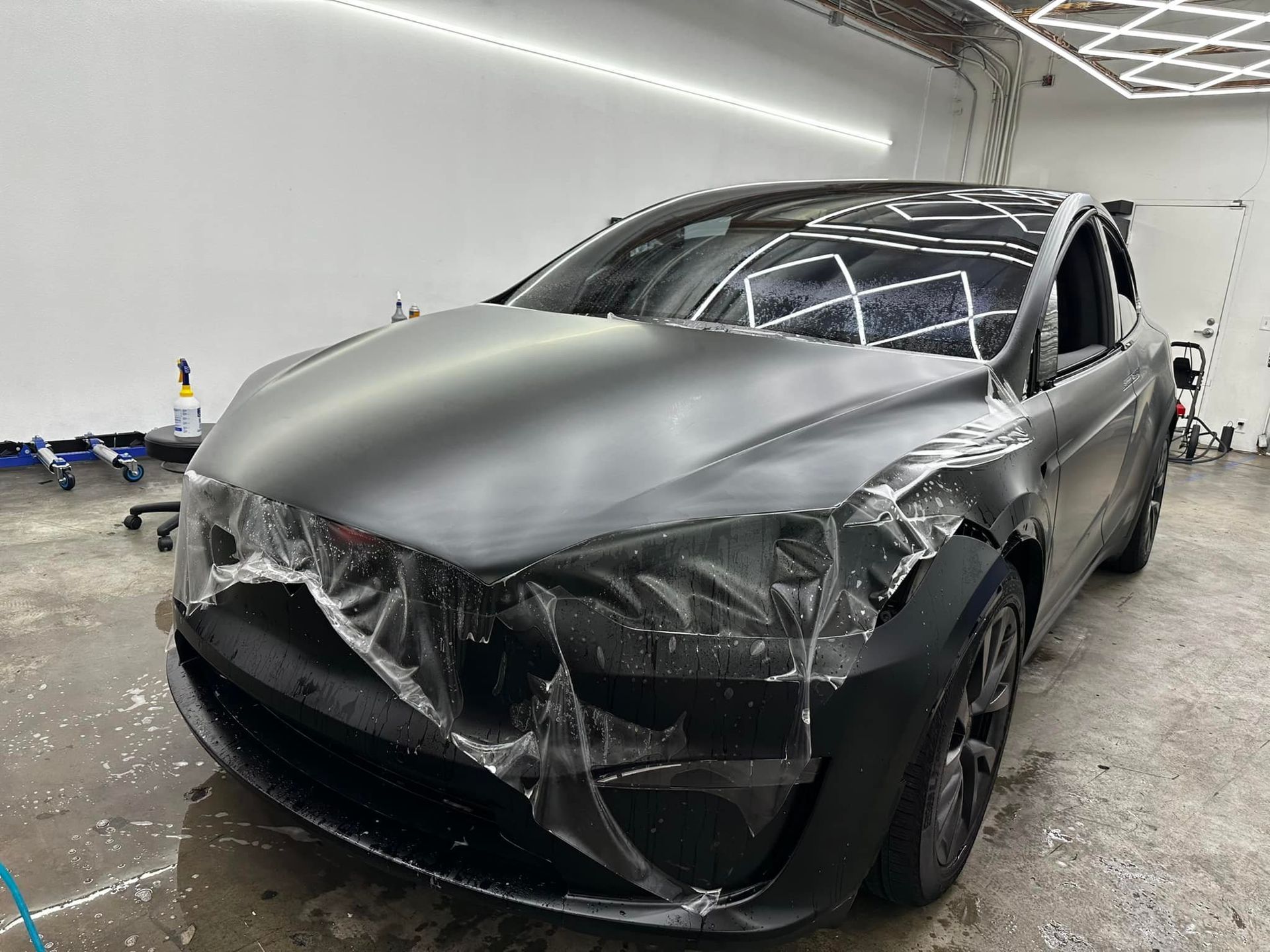
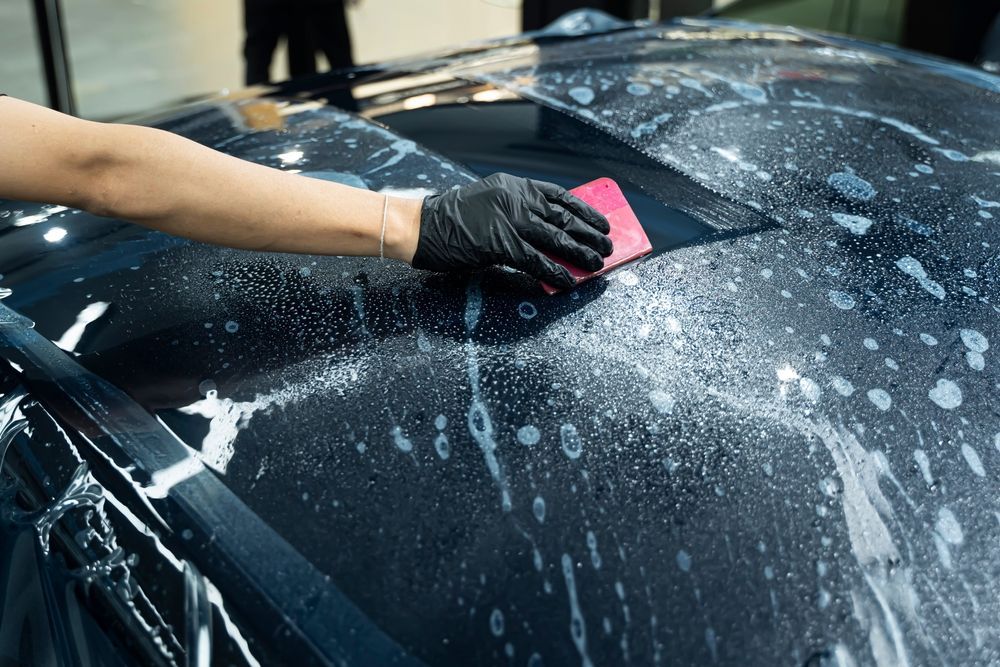
PPF acts like invisible armor for your vehicle's paintwork. Unlike simple waxes or sealants, PPF is engineered from thermoplastic polyurethane (TPU) to absorb real-world impacts without cracking or yellowing over time. Thanks to a multilayered bonding process, it forms a resilient barrier that protects underlying paint from chips and abrasions. Some top-tier films even boast self-healing properties, meaning tiny scratches vanish when warmed by sunlight or engine heat.
Films crafted from premium TPU materials last between 5 to 10 years without discoloration or degradation, a substantial improvement over budget PVC alternatives. The long lifespan translates into real financial advantages: reduced maintenance costs with fewer scratch repairs needed, increased resale value with vehicles commanding higher prices, and protection against environmental damage by blocking up to 99% of harmful UV rays.
The hydrophobic surface of premium PPF films repels water and dirt, turning routine cleaning into a quicker and simpler chore. PPF is most effective when strategically applied to vulnerable areas such as front bumpers, hoods, door edges, fenders, and side mirrors. For those seeking comprehensive coverage, full-car installations also make sense despite the higher investment.
Guarding Against Physical Damage
Rock chips and scratches accumulate silently as you cruise highways, navigate city streets, or park in tight spaces. PPF absorbs these impacts before they reach your car's surface, keeping paintwork pristine underneath. Cars equipped with PPF maintain a showroom shine that directly correlates with stronger resale value, preventing costly repairs down the road.
PPF also simplifies routine car care. The smooth surface resists contaminants more effectively than bare paint, making regular washes less laborious and more effective. To maximize lifespan, maintain a consistent cleaning routine with gentle automotive soaps and avoid abrasive cleaners. Many modern films can heal minor swirl marks or scratches with exposure to heat from sunlight or warm water.
In regions with intense sunlight, the combination of PPF and window tinting provides a comprehensive shield against environmental damage. Sundown Window Tint offers premium-grade films that block harmful rays while maintaining clarity and color fidelity, safeguarding both exterior paint and interior upholstery.
Long-Term Investment Considerations
The upfront price of window tinting and PPF might seem significant, but the real value emerges over years of use. High-quality tints block up to 99% of harmful UVA and UVB radiation, slowing fading and cracking on dashboards and upholstery. Premium PPF lasts 7 to 10 years with proper care, meaning fewer visible blemishes that discerning buyers judge at first glance.
| Investment | Initial Cost | Resale Value Increase | Longevity | Maintenance |
|---|---|---|---|---|
| Window Tinting | $200 to $800 | Noticeable increase | 5–10 years | Low |
| Paint Protection Film | $1,500 to $5,000 | Significant increase | 7–10 years | Medium |
Window tints require gentle cleaning with mild soap and water to avoid speeding up fading or bubbling. PPF needs routine washing without abrasive materials to maintain clarity and adhesion. Simple steps extend their lifespan, potentially allowing you to enjoy benefits for up to a decade.
Ceramic window tints also reduce cabin temperatures by up to 60 degrees during hot summer months, lowering air conditioning use and fuel consumption while reducing wear on vehicle systems. These added perks build further long-term value that balances cost versus benefit convincingly.
Protect Your Car Today. Maximize Its Value Tomorrow
Your vehicle is one of your biggest investments. With professional window tint and paint protection film, you can preserve its condition, reduce wear, and increase its resale appeal over time.
At Sundown Window Tint, we help you choose the right solutions for long-term protection and value.
Call us at 951-359-0850 or contact us online to book your consultation today to protect your car and your investment.
FAQs on Resale Value Benefits of Tinting and PPF
1. Do window tint and PPF increase car resale value?
Yes, both window tint and paint protection film help maintain your car’s condition, which can lead to higher resale value and stronger buyer interest.
2. Does window tint really add value to a car?
Window tint adds value by preserving the interior, reducing UV damage, improving comfort, and enhancing the overall appearance of the vehicle.
3. Is paint protection film worth it for resale?
Yes, PPF is especially valuable for resale because it prevents paint damage like chips and scratches, keeping the exterior in near-new condition.
4. Which adds more resale value, window tint or PPF?
PPF usually adds more value by protecting the exterior paint, while window tint improves interior preservation and comfort. Using both provides the best overall results.
5. Should I install PPF before selling my car?
PPF delivers the best return when installed early. Installing it right before selling may not provide full value unless the paint needs protection or improvement.
6. Does PPF make a car easier to sell?
Yes, cars with PPF often attract more buyers because the paint looks well maintained, which builds trust and reduces concerns about hidden damage.
7. Can window tint and PPF reduce maintenance costs?
Yes, both reduce the need for repairs. Tint prevents interior fading, while PPF protects against costly paint damage, lowering long-term maintenance expenses.
8. Do buyers prefer cars with window tint?
Most buyers prefer cars with moderate, legal window tint because it improves comfort, privacy, and appearance without requiring additional upgrades.
9. Is ceramic window tint better for resale value?
Yes, ceramic tint offers better heat rejection, UV protection, and durability, which can make your vehicle more attractive to potential buyers.
10. Is professional installation important for resale value?
Yes, poor installation can reduce value due to bubbles or peeling. Professional installation ensures a clean finish and long-lasting performance.