sundown
Does PPF Affect Car Insurance? What Drivers Should Know About Protection and Claims
Paint Protection Film (PPF) generally does not directly lower or increase car insurance rates, but it can affect how your vehicle is viewed during claims involving protected areas. Since insurance policies vary between providers, drivers should understand how PPF is documented, how damage claims may be handled, and why professional installation records can help protect their investment.
For vehicle owners who invest in protecting their paint, PPF offers a durable barrier against common road hazards like rock chips, debris, and environmental contaminants. However, PPF is considered an aftermarket vehicle enhancement, and coverage for repairing or replacing the film depends on your specific insurance policy.
How Does Paint Protection Film Protect Your Vehicle?
Paint Protection Film is a clear protective layer applied over painted surfaces to help defend against everyday damage. It is designed to absorb impacts from road debris, reduce the risk of paint chips, and help protect high-impact areas of your vehicle.
Unlike traditional waxes or coatings that sit on the surface, PPF creates a physical barrier between your paint and outside elements. This makes it especially useful for drivers who frequently travel highways, deal with construction zones, or want to maintain the appearance of a newer vehicle.
Modern PPF can also feature self-healing technology. This allows minor surface imperfections and light marks to smooth out when exposed to heat, helping the film maintain a cleaner appearance over time. However, PPF is not scratch-proof and cannot prevent all damage from accidents, deep impacts, or improper care.
At Sundown Window Tint, professionally installed paint protection film helps Riverside drivers protect their vehicles against common road hazards while maintaining a seamless factory appearance.
Does Installing PPF Change Your Insurance Coverage?
Installing PPF does not automatically change your insurance coverage. Each insurance provider handles aftermarket vehicle enhancements differently, so drivers should review their policy and ask their insurance company how PPF-related damage would be handled.
Some insurers may consider PPF a cosmetic enhancement, while others may factor it into coverage discussions if the film needs repair or replacement after an insured event.
The most important step is understanding your policy before damage occurs. Keeping records such as installation receipts, warranties, and photos of your vehicle before and after installation can make it easier to explain the condition of your vehicle if a claim is necessary.
Should You Tell Your Insurance Company About PPF?
There is no universal rule that applies to every insurance provider regarding PPF disclosure. Because policies differ, the best approach is to contact your insurer and ask how they handle aftermarket protective products.
Providing documentation from a professional installer can help establish:
- When the PPF was installed
- Which areas of the vehicle were protected
- The quality of the installation
- Any applicable warranty information
Professional installation records may also help reduce confusion if the vehicle requires repairs after an accident or covered damage event.
How Are PPF Claims Handled After an Accident?
If your vehicle experiences damage in an accident, it is important to clearly explain that your vehicle has Paint Protection Film installed.
During the claims process, your insurer may evaluate:
- The damaged area of the vehicle
- The condition of the PPF
- Whether the film requires removal or replacement
- Whether the repair process affects the protected surface
Photos, invoices, and installation documentation can help provide a clearer picture of the vehicle’s condition before the damage occurred.
Working with a professional PPF installer can also help because experienced technicians understand how film damage differs from traditional paint damage. They can inspect the affected area and provide guidance on whether replacement is needed.
Does PPF Lower Car Insurance Rates?
PPF is not typically installed as a way to reduce insurance premiums. Insurance rates are generally influenced by factors such as driving history, vehicle type, location, coverage choices, and claims history.
While PPF may help reduce certain types of paint damage, it does not guarantee lower premiums. Its primary purpose is protecting your vehicle’s exterior and helping maintain its appearance.
For many drivers, the value of PPF comes from reducing exposure to everyday damage rather than receiving insurance savings.

Benefits of Installing PPF on Your Vehicle
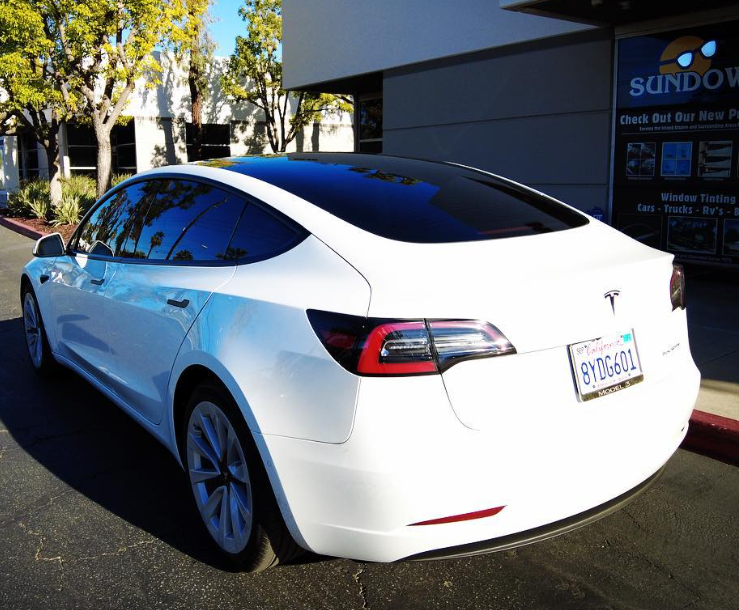
For drivers who care about maintaining their vehicle’s appearance, PPF offers several advantages:
Protection Against Road Hazards
Daily driving exposes vehicles to rocks, gravel, insects, road debris, and environmental contaminants. PPF helps create a protective layer that reduces the impact these hazards can have on painted surfaces.
Helps Maintain Vehicle Appearance
Keeping the factory paint in better condition can help your vehicle maintain a cleaner appearance over time. A well-maintained exterior can also make a positive impression when it comes time to sell or trade in the vehicle.
Professional Installation Provides Better Results
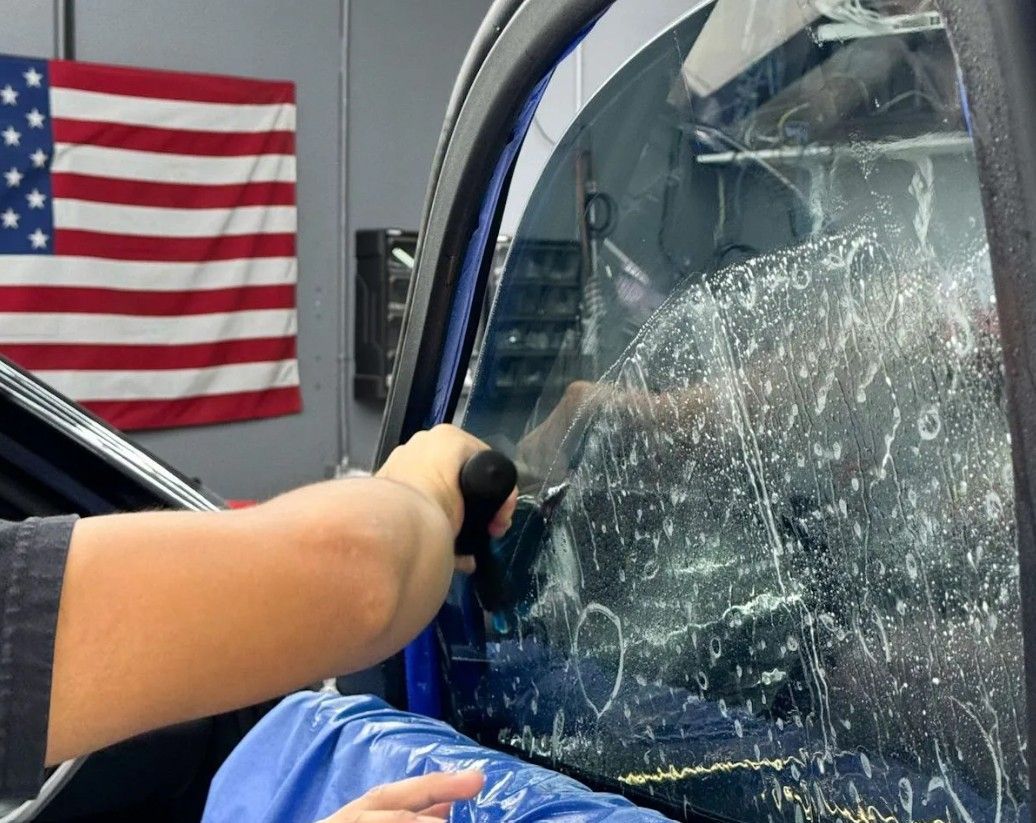
Proper ppf installation is critical for achieving a clean, seamless finish. Experienced installers use precise techniques to ensure the film fits the vehicle’s contours while minimizing visible edges and imperfections.
Is PPF Worth It for Your Vehicle?
Whether PPF is worth the investment depends on your vehicle, driving habits, and priorities.
PPF may be a valuable option if you:
- Drive frequently on highways
- Own a newer or luxury vehicle
- Want to preserve factory paint
- Park outdoors regularly
- Prefer preventing minor paint damage before it occurs
For enthusiasts and owners who take pride in their vehicles, PPF provides peace of mind by helping protect one of the most visible parts of the vehicle.
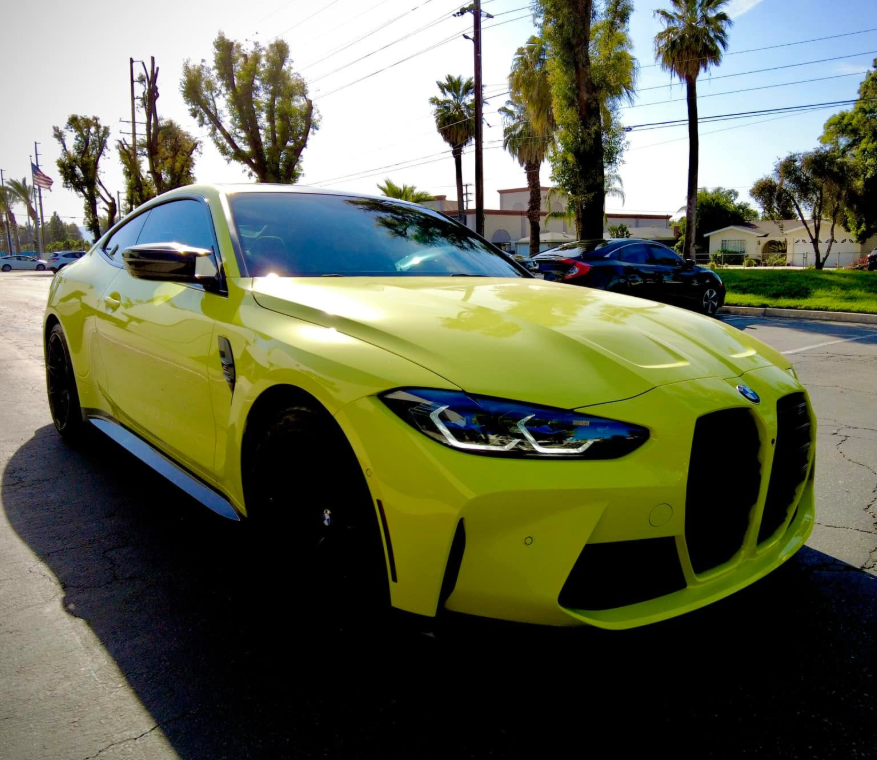
Sundown Window Tint offers professional paint protection film installation in Riverside, CA, including clear PPF, Stealth PPF, and color change PPF options designed for different vehicle goals and preferences.
Protect Your Vehicle With Professional PPF Installation in Riverside, CA
Paint Protection Film is an investment in maintaining your vehicle’s appearance and protecting its paint from everyday driving hazards. While PPF does not guarantee insurance savings or coverage, proper installation and documentation can help you better manage your vehicle’s protection.
Sundown Window Tint provides professional PPF installation for Riverside drivers who want quality workmanship, reliable service, and long-lasting vehicle protection. Call 951-359-0850 or schedule a consultation to learn which PPF option is right for your vehicle.
FAQs About PPF and Car Insurance
Does PPF affect car insurance premiums?
PPF usually does not directly affect insurance premiums. However, insurance companies may handle aftermarket vehicle enhancements differently, so it is best to review your policy and speak with your provider.
Will insurance cover damaged Paint Protection Film?
Coverage for damaged PPF depends on your insurance policy and the circumstances of the damage. Some policies may cover related repairs, while others may have limitations.
Should I keep PPF installation records?
Yes. Keeping your installation invoice, warranty information, and photos can help document your vehicle’s condition and support conversations with your insurer.
Does PPF protect my vehicle from all scratches?
No. PPF helps protect against many common surface hazards, but it is not scratch-proof. It is designed to reduce damage from road debris, chips, and minor surface imperfections.
Is professional PPF installation important?
Yes. Professional installation helps ensure proper fit, appearance, and long-term performance. Experienced installers also provide documentation that can be useful when maintaining your vehicle records.