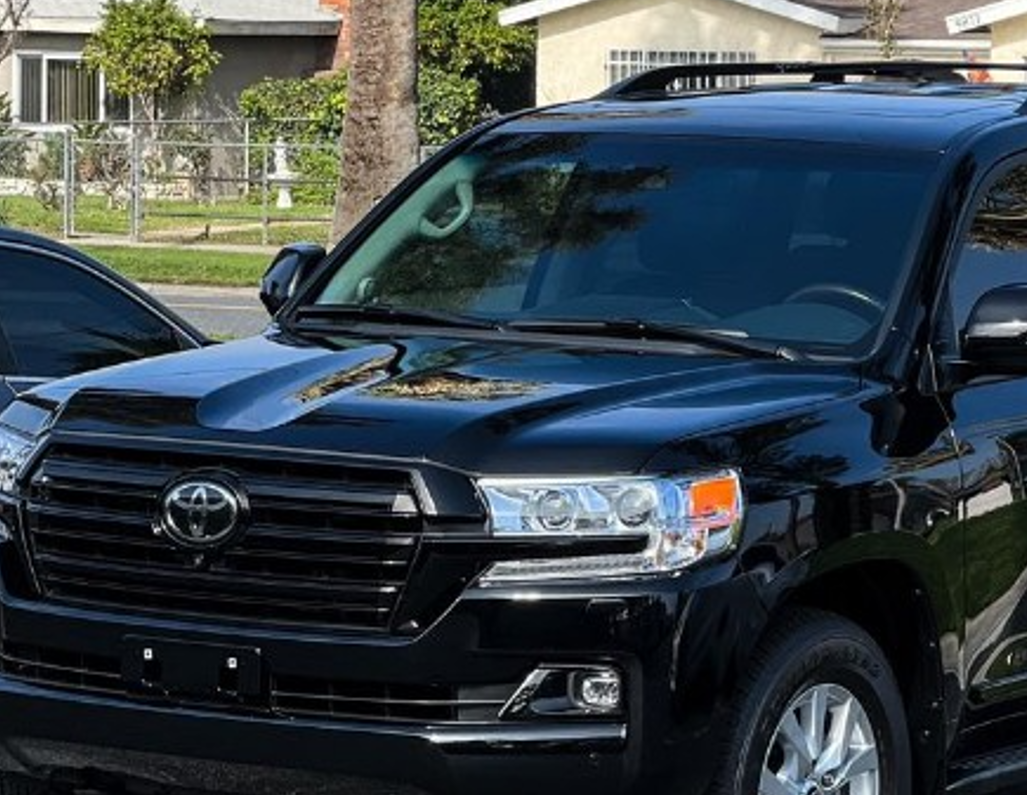
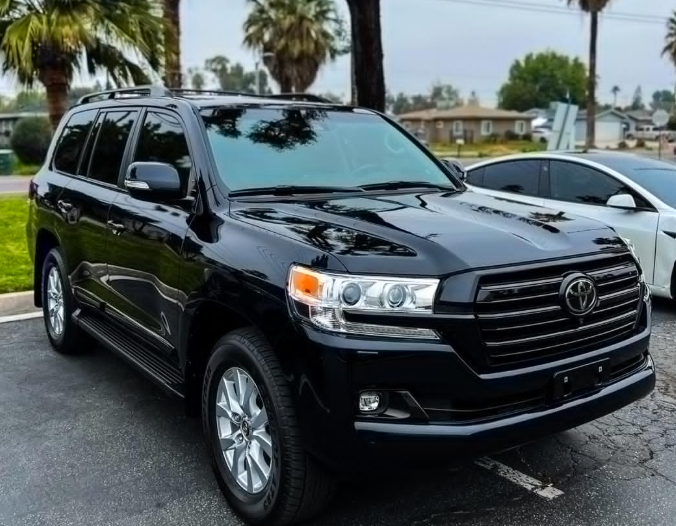
Trucks earn their paint damage. Gravel roads, job sites, towing, trail runs, and long highway miles behind loose loads put a truck’s finish through more abuse in a year than most sedans see in five. Rock chips on the hood, sandblasting along the rockers, branch scrapes down the bed sides, and relentless Southern California sun all add up. Paint protection film is built to stop that damage before it reaches the paint, and for truck owners the math works better than it does for almost any other vehicle.
Truck owners benefit most from paint protection film because trucks face harsher conditions than typical passenger vehicles, including gravel, debris impacts, job site hazards, and heavy UV exposure. PPF absorbs those impacts, blocks UV fading, and self heals minor scratches, protecting the factory finish for up to ten years and reducing the cost of touch ups and repaints over the life of the truck.
Why Trucks Take More Paint Damage Than Any Other Vehicle
Ride height is the first reason. A truck’s hood and front end sit directly in the path of debris kicked up by the vehicle ahead, and the taller stance means more surface area catching stones at highway speed. The second reason is where trucks actually go. Unpaved roads, construction access routes, ranch property, and desert trails put loose rock against paint constantly. Then there is the sun. In the Inland Empire, UV exposure breaks down the chemical bonds in clear coat, causing oxidation and fading, and trucks tend to live outside rather than in garages.
Each individual chip seems minor. The problem is what happens next. Once the clear coat is breached, moisture and road salt work into the exposed metal, and a cosmetic blemish becomes corrosion and a body shop invoice.
What Paint Protection Film Actually Does
Paint protection film is a thick, optically clear urethane layer applied over your painted surfaces. It is engineered to flex and absorb impact energy that would otherwise chip or crack your clear coat. Modern film also carries a self healing top layer, so light scratches and swirl marks smooth back out with heat exposure from direct sun or warm water.
At Sundown Window Tint we install XPEL products exclusively. XPEL film delivers the impact resistance, optical clarity, and self healing performance that hold up under the conditions trucks actually face, and it is backed by a warranty that reflects that.
We offer three finishes. Traditional clear PPF is virtually invisible once applied and preserves your factory color. Stealth PPF adds a satin matte finish while delivering the same protection, and it removes cleanly without damaging the paint beneath. Color change PPF lets you shift your truck’s appearance entirely while still shielding the clear coat underneath.
PPF and Ceramic Coating Are Not Competing Options
This trips up a lot of truck owners. Paint protection film and ceramic coating solve different problems, and the strongest setup uses both.
PPF is a physical barrier that stops rock chips, scratches, and abrasion, which is exactly what a truck needs most. Ceramic coating is a chemical barrier that adds gloss, UV resistance, and hydrophobic properties, making dirt and mud release more easily during washing. Coating alone will not stop a stone at 60 mph, and film alone does not give you that slick, easy to clean surface. Layered together, you get impact protection with a finish that cleans up fast after a dusty run.
Truck PPF Packages and Pricing
Coverage drives cost, and most truck owners start where the impacts concentrate.
Our Partial Front Package starts at $1,000 and covers the front bumper, partial hood, mirrors, partial front fenders, headlights, and fog lights, with a 24 hour turnaround. The Full Front Package starts at $1,850 and extends to the full hood and full front fenders over two days, which is the better choice for anyone regularly running gravel or highway miles. Our Full Coverage Package starts at $5,500 and protects every painted surface on the truck, typically over five to seven days.
Windshield protection film is available as an add on starting at $499. For a work truck or a rig that sees unpaved roads, this one is easy to justify, since a single rock strike can mean a full windshield replacement.
Because trucks vary widely in size and body configuration, we quote every vehicle individually. Free quotes are available for all vehicle services.
How the Installation Works
Surface preparation. Nothing goes on until the paint is genuinely clean. Our team removes dirt, dust, oils, and residue, because anything trapped under the film shows through and can lead to lifting or adhesive failure later.
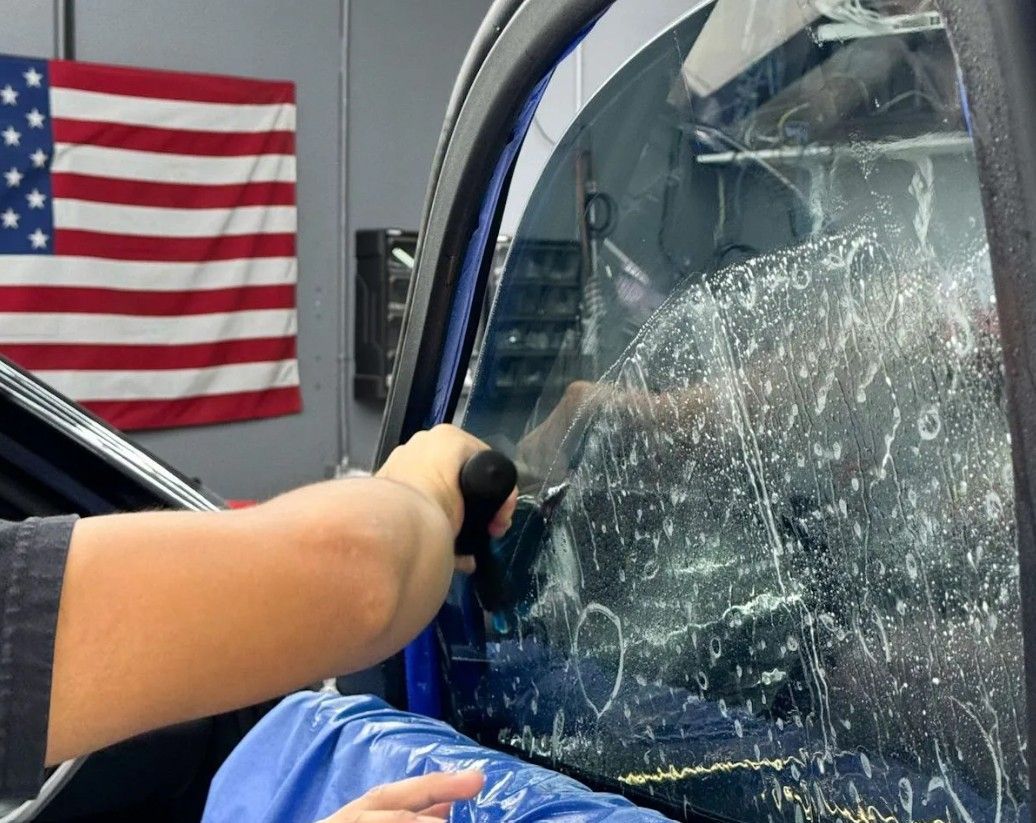
Cutting and application. Each piece is measured and cut to the contours of your specific truck, then hand applied by our XPEL certified installers. Heat and careful working of the material let the film conform to hood lines, mirror caps, bumper curves, and fender arches without bubbles or wrinkles. Every edge is wrapped and tucked, producing a paint like finish rather than a visible film outline.
Final inspection. The vehicle is checked panel by panel for bubbles, unsealed edges, and adhesion issues, and anything found is corrected before the truck leaves. This is the step that determines whether film still looks right in year seven.
Edge work is where most PPF jobs fail. On a truck, with its long panels and complex bumper geometry, installer skill matters more than it does on a compact car.
How Long PPF Lasts on a Truck
With proper care and periodic inspection, professionally installed paint protection film lasts up to ten years. Our XPEL PPF carries a ten year warranty covering yellowing, delaminating, cracking, peeling, and bubbling.
Getting the full lifespan out of it comes down to basic habits:
- Wait at least a week after installation before hand washing, so the film cures fully
- Wash regularly with a mild automotive soap rather than household detergent
- Use a soft microfiber cloth or wash mitt instead of abrasive sponges
- Keep pressure washer nozzles away from film edges, where forced water can lift the material
- Rinse off mud, sand, and road salt soon after exposure rather than letting it dry and harden
- Inspect edges periodically and address any lifting early
The Cost Case Over Time
The upfront number is what most truck owners weigh first, so it is worth putting against the alternative. Repainting a single damaged panel at a quality body shop runs into the hundreds, and a full respray runs well into the thousands. Chips and scratches also accumulate, so a truck that picks up new marks every season needs either repeated touch ups or eventually a real repaint.
PPF flips that pattern. You pay once, up front, and the film absorbs damage instead of the paint for the better part of a decade. For a truck that spends real time on gravel or job sites, the film is often protecting the exact panels that would otherwise be first in line for bodywork.
There is also the resale side. A truck with a clean, unchipped exterior signals to a buyer that the vehicle was cared for, and exterior condition carries real weight in what a used truck brings. Preserving the factory finish protects the paint and the number on the sale.
Protect Your Truck Before the Damage Starts
Sundown Window Tint has served Riverside and the greater Inland Empire since 1978, and our XPEL certified installers work on every make and model, from daily driven half tons to fully built work trucks. We will look at your truck, ask how and where you actually drive it, and recommend the coverage level that matches your use and your budget. No pressure, no upselling to coverage you do not need.
Call 951-359-0850 or request your free quote online. You can also visit us at 9840 Indiana Avenue, Suite 2 in Riverside, Monday through Friday from 8:00 am to 5:00 pm, with Saturdays available by appointment.
Frequently Asked Questions
Is full coverage worth it, or is front end PPF enough for a truck?
For most truck owners, front end coverage handles the majority of the risk, since the bumper, hood, fenders, mirrors, and lights absorb nearly all rock and debris strikes. Full coverage makes sense if you run tight trails where branch contact happens along the sides and bed, or if you want every painted surface protected on a newer truck. Our team walks through both options on our paint protection film page and during your consultation.
Will PPF change how my truck looks?
No. Our clear XPEL film is designed to be virtually invisible once installed, and our wrapping technique keeps edges and seams tucked out of sight for a paint like finish. If you want a visible change, that is what Stealth matte and color change PPF are for.
Does PPF really self heal?
Yes, within limits. Light surface scratches and swirl marks in the film smooth out with heat from direct sunlight or warm water. Deep gouges that cut through the film do not self repair, though the film still did its job by taking the hit instead of your paint.
Can I take my truck through a car wash after PPF?
Hand washing is safest, especially in the first week while the film cures. After that, touchless washes are generally fine. Avoid brush style automatic washes, since the brushes can catch film edges and force water underneath over time.
How does PPF hold up against road salt and chemicals?
Film seals the paint away from corrosive contact, which matters for trucks that see winter roads, coastal air, or agricultural chemicals. Rinsing residue off promptly still helps, but the film keeps those substances from reaching the clear coat and the metal beneath it.
Should I get PPF on a used truck or wait until I buy new?
Either works. On a new truck, film locks in a flawless factory finish from day one. On a used truck, we inspect the existing paint first, since film applied over chips or failing clear coat will seal in the damage rather than fix it. If the paint is sound, PPF is a smart way to stop further wear.