sundown
PPF vs. Wrap: Comparing Protection, Durability, and Cost for Your Paint
When it comes to protecting your car's paint, choosing between Paint Protection Film (PPF) and a vinyl wrap can feel confusing. You want something that keeps your vehicle looking great and stands up to daily wear, but you are also weighing costs, style options, and longevity. This guide walks you through the main differences so you can make an informed decision that fits your needs.
Paint Protection Film (PPF) provides superior protection compared to vinyl wraps due to its high resistance to scratches, chips, and environmental damage, along with self-healing properties that help maintain the paint's appearance. While vinyl wraps offer aesthetic customization and some minor protection against UV damage and light scratches, they do not match the durability or impact resistance of PPF, making PPF the recommended choice for preserving your vehicle's original paint.
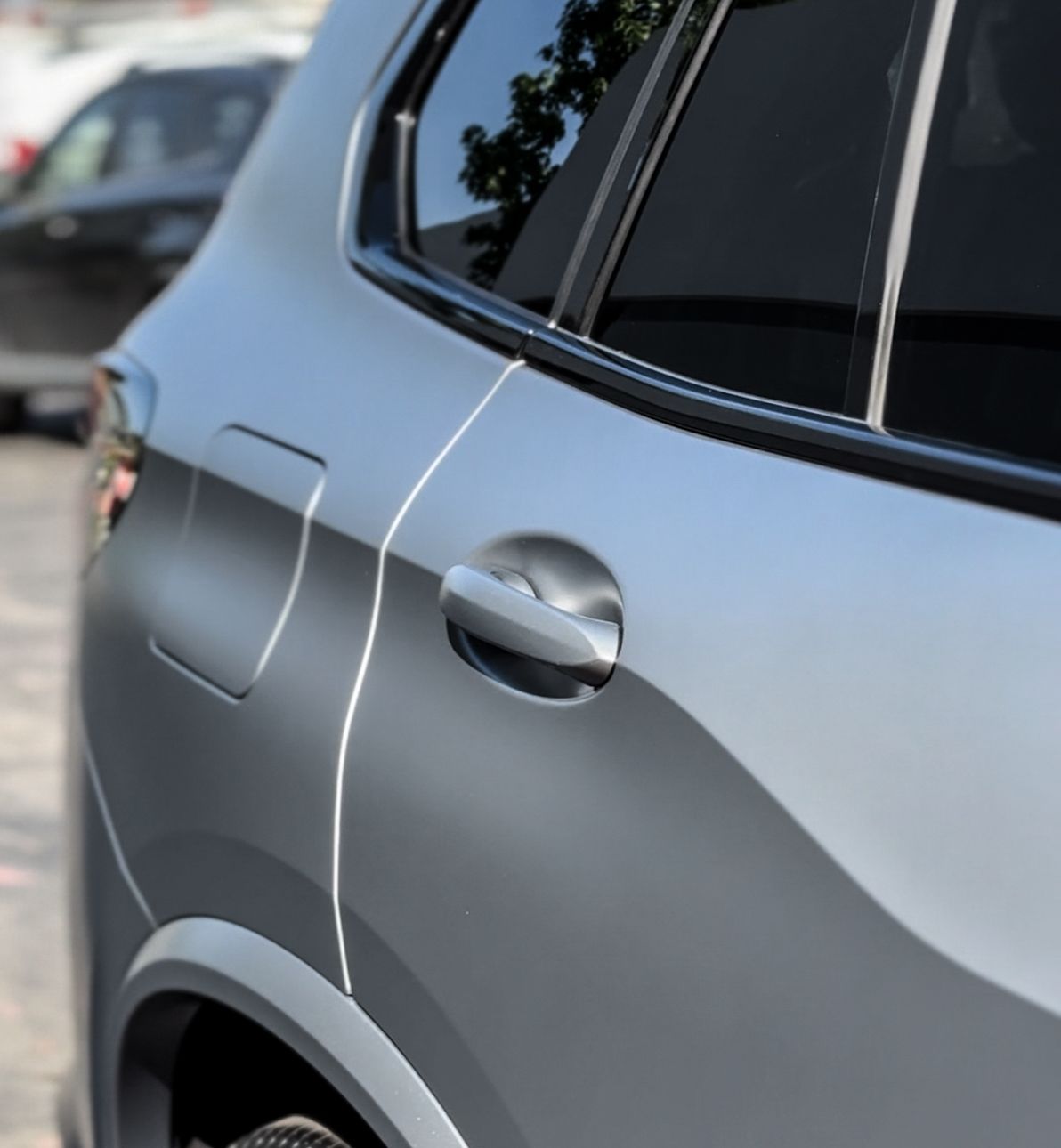
PPF vs. Wrap: An Overview
Paint Protection Film is a thicker, clear film engineered to absorb impacts from road debris like rock chips. It often features self-healing properties, meaning small scratches can disappear with heat or sunlight exposure. In contrast, car wraps are thinner films designed primarily for visual impact. They let you change your car's color or finish without repainting, but they do not offer the same resistance to significant physical damage. Over time, wraps can fade, peel, or crack depending on exposure and maintenance.
The choice hinges on what you prioritize most: robust protection for your original paint or an affordable, customizable look. Many enthusiasts combine both, applying PPF on vulnerable areas like the hood and bumpers while wrapping the rest for style.
| Feature | Paint Protection Film (PPF) | Car Wrap |
|---|---|---|
| Primary Purpose | High impact protection against scratches and chips | Aesthetic customization |
| Self-Healing | Yes, activated by heat | None |
| Lifespan | 5 to 10 years | 3 to 5 years |
| Cost (Full Coverage) | $2,000 to $7,000 | $2,000 to $4,000 |
| Maintenance | Gentle washing; hydrophobic coatings common | Careful cleaning needed to avoid damage |
| Protection Level | Superior for rock chips, scratches, environmental damage | Moderate; mainly UV and light scratches |
Protection Levels and Surface Adhesion
PPF is roughly 6 to 8 mils thick, compared to just 2 to 3 mils for vinyl wraps. This thickness allows PPF to absorb stone chips, abrasions, and road debris far more effectively. Your vehicle's paint is essentially a delicate surface, and PPF acts as a strong laminate protecting it from daily hazards. Its adhesive is designed to hold firm under highway conditions while still peeling off cleanly when you want it removed, leaving no residue on the factory finish. Vinyl wraps use lighter adhesives that make removal easier but also leave them prone to lifting at edges and high stress areas like bumpers and door seams.
PPF also outperforms wraps in UV and chemical resistance. Quality PPF withstands extended Southern California sun exposure without yellowing, while wraps tend to fade or crack sooner. Gasoline spills, bird droppings, and road salts will not stain PPF for years with proper care, whereas these contaminants can cause visible wear on vinyl wraps within a couple of years.
Breaking Down Costs
PPF carries a higher upfront cost, typically $2,000 to $7,000 depending on vehicle size and coverage. Wraps generally fall between $2,000 and $4,000. While the initial difference is notable, PPF's 5 to 10 year lifespan means far fewer replacements compared to wraps, which typically show wear within 3 to 5 years. Replacing a worn wrap can cost nearly as much as the original installation, and rewrapping every few years adds up quickly. Meanwhile, a quality PPF slows paint deterioration by absorbing damage that would otherwise require costly repainting.
Several factors affect pricing for both options: vehicle size, body panel complexity, finish type (matte, metallic, or color shifting films cost more), coverage extent, and regional labor rates. When you factor in long-term replacement costs, PPF often delivers better total value for owners focused on paint preservation, while wraps remain the more affordable option for drivers who enjoy frequent style changes.

Evaluating Durability
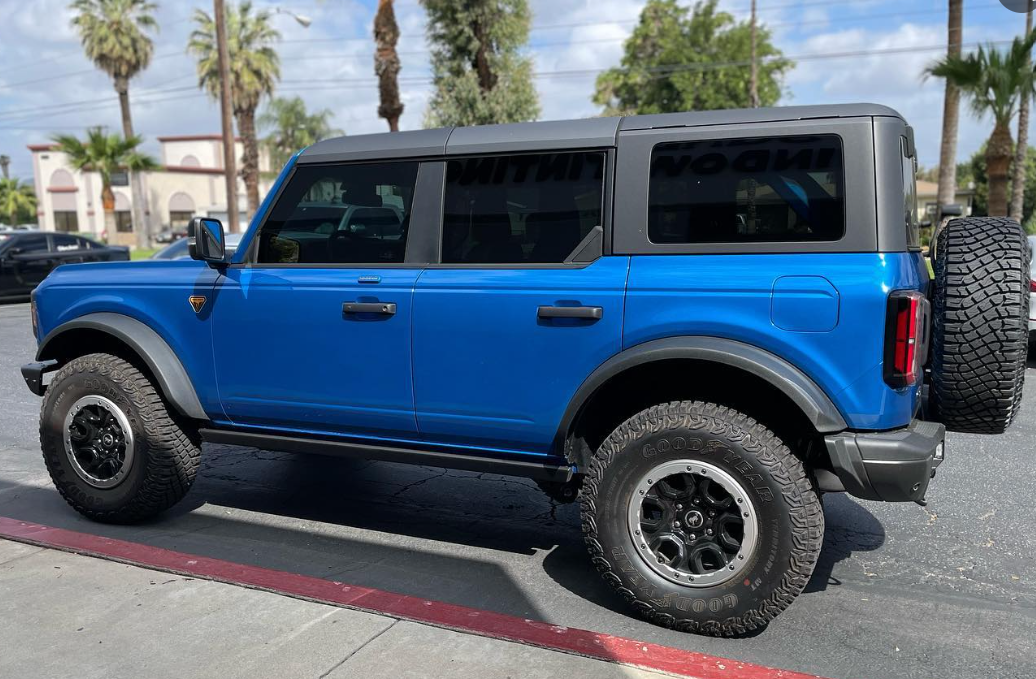
PPF is built to endure challenging conditions without losing effectiveness. Its self-healing property, powered by elastomeric polymers, allows minor scratches to disappear when exposed to heat from sunlight or warm water. This preserves the vehicle's appearance and reduces the need for touch-ups. Wraps lack this capability and wear down gradually, showing peeling edges, fading colors, and scuff marks under heavy use.
Many vehicle owners choose PPF for its proven resilience, especially those who value preserving their car's original finish and resale value. For those seeking long-term protection with minimal upkeep, professionally installed PPF at Sundown Window Tint ensures your factory finish stays protected invisibly. Wraps remain a good fit for drivers who prioritize frequent visual updates and accept the shorter lifespan.
Maintenance Requirements
PPF requires less ongoing care thanks to its self-healing surface. Regular washing with mild detergent and a soft microfiber mitt is ideal. Avoid high-pressure washers aimed directly at film edges, as this can cause premature lifting. Inspect edges periodically, especially after long drives or harsh weather, to catch any lift before dirt and moisture work underneath.
Vinyl wraps demand more hands-on maintenance. Scratches remain visible since wraps cannot self-heal, and lifting or peeling is more common with repeated exposure to harsh elements. Use cleaners designed specifically for vinyl surfaces and avoid automatic car washes with abrasive brushes. For both PPF and wraps, skip traditional waxes unless the product states compatibility. Use film-safe sealants or protectants instead to enhance gloss and UV defense.
Aesthetics and Customization
For visual transformation, wraps lead with 300+ color options, specialty finishes like chrome, metallic, and carbon fiber, and custom print capabilities that can turn any vehicle into a rolling canvas. PPF is fundamentally transparent, designed to preserve the factory paint rather than change it. Color PPF options are growing but remain limited to neutral shades and subtle finish shifts.
If your priority is bold visual changes or personal expression, wraps offer creative freedom that PPF cannot match. If preserving original paint and resale value matters most, PPF is the better fit. Many enthusiasts split the difference by wrapping accent areas like roofs and hoods while applying PPF on high-impact zones.
Choosing the Best Option for Your Needs
The decision comes down to your driving conditions, lifestyle, and priorities. If you frequently drive on gravel roads or urban routes where door dings and parking lot scratches are common, PPF is the wiser investment. If you prefer transforming your vehicle's look seasonally and accept more frequent upkeep, wraps deliver unmatched style flexibility. Many enthusiasts choose a hybrid approach, applying PPF on high-impact zones like the hood and fenders while wrapping accent areas for style. Ask yourself: Am I looking for maximum protection, or do I want the freedom to change styles knowing I will manage the upkeep?
Protect Your Vehicle’s Paint With Premium PPF Installation
If your priority is keeping your vehicle’s original paint protected from rock chips, scratches, road debris, and environmental damage, Paint Protection Film is the solution designed for long-term protection. Unlike vinyl wraps that focus primarily on appearance changes, PPF helps preserve your factory finish with advanced impact resistance and self-healing technology.
At Sundown Window Tint, our experienced team provides professional Paint Protection Film installation for drivers throughout Riverside and the Inland Empire. We use premium films and precision installation techniques to help maintain your vehicle’s appearance, protection, and resale value for years to come.
Call 951-359-0850 or schedule your appointment online and discover how Paint Protection Film can help protect your investment.
FAQs
Which option is more resistant to scratches, chips, and UV rays?
PPF is the stronger choice. Its 6 to 8 mil thickness acts as a transparent shield capable of self-healing minor scratches and providing strong UV protection. Wraps shield against minor abrasions but lack PPF's impact resistance and tend to fade faster under harsh sun exposure.
What materials are used in PPF and wraps?
PPF is made from multi-layered thermoplastic urethane, known for self-healing properties and superior chip resistance. Wraps use vinyl films that offer strong aesthetic customization but only moderate paint protection. PPF typically lasts 5 to 10 years compared to 3 to 5 years for wraps.
How does installation impact effectiveness?
PPF demands precision and professional skill for seamless, bubble-free coverage. A poor install can lead to peeling or reduced durability. Wraps are more forgiving but still require skill for smooth edges. Professionally installed PPF consistently outlasts DIY applications.
What are the long-term maintenance differences?
PPF is self-healing and stain resistant, needing only occasional washing to retain clarity for 5 to 10 years. Wraps require more frequent cleaning and can start peeling or fading within 3 to 5 years, requiring touch-ups or full replacement to maintain appearance.
How do the protective qualities of PPF compare to a wrap?
PPF resists chips, scratches, and stains with self-healing properties that wraps cannot match. Wraps primarily offer aesthetic changes and minor surface protection against UV and weathering. For long-term paint preservation, PPF is the strongest option available.