sundown
How to Choose the Right Tint Shade for Your Car
Choosing a window tint shade sounds simple until you start comparing options. How dark should you go? Which film actually keeps the cabin cool in July? And what will keep you on the right side of California law? For drivers in Riverside and across the Inland Empire, the answer comes down to balancing privacy, heat rejection, nighttime visibility, and legal compliance in a way that matches how you actually drive.
To choose the right tint shade for your car, start with California’s Visible Light Transmission limits, then weigh the privacy you want, the heat you need to block, and how the shade will look against your vehicle’s paint. Darker films deliver more privacy and a bolder appearance but reduce visibility after dark, and the film technology you select matters just as much as the shade itself.
Start With Visible Light Transmission
Every tint shade is measured by Visible Light Transmission, or VLT. This is the percentage of visible light the film allows through the glass. A 70% VLT film is light and lets most light in. A 20% VLT film is dark and lets very little through. The lower the number, the darker the tint. Every legal limit, product specification, and shade recommendation you encounter uses this measurement, so it is worth understanding before you choose.
At Sundown Window Tint, our film packages are offered in 5, 15, 20, 30, 45, 50, and 70 percent shades. That range gives Riverside drivers room to fine tune both the look and the performance of every window on the vehicle.
The Four Types of Window Tint Film
Shade and film technology are two separate decisions. Two films at the same darkness can perform very differently, so it helps to know what each is built to do.
Dyed Film
Dyed film is the entry point for budget conscious drivers. A layer of dye sits between an adhesive base and a protective top coat, absorbing some solar heat and cutting glare. The tradeoff is longevity. Under constant California sun the dye fades, losing both color and effectiveness, which means replacement comes sooner than it would with better film.
Metalized Film
Metalized film uses microscopic metallic particles to reflect heat and UV radiation away from the glass. It holds up well and outperforms dyed film on heat. The drawback is signal interference: the metal content can disrupt GPS navigation, radio reception, and cell service inside the vehicle, which is why many drivers now skip it entirely.
Carbon Film
Carbon film delivers a clean matte finish with no reflectivity and no signal interference. It resists fading far better than dyed film and holds its appearance for years, which makes it a strong middle ground on price and performance. Our Clarity Carbon package adds infrared heat rejection while blocking UV rays and cutting glare, and it comes in the full range of shades. Packages start at $75 for a window strip, $125 for the front two windows, and $300 for all sides and the rear window.
Ceramic Film
Ceramic film sits at the top of the category. Its nonmetallic construction delivers serious heat performance with zero interference to electronics and excellent clarity day and night. Sundown Window Tint carries two XPEL ceramic options. Premier Ceramic delivers 78% infrared heat rejection, starting at $175 for the front two windows or $450 for all sides and the rear window. Ultimate IR Ceramic pushes infrared heat rejection to 96%, starting at $250 for the front two windows or $700 for all sides and the rear window. For anyone who parks outdoors in Riverside heat, this is where the investment pays off.

What California Law Allows
California sets its tint limits by window position, and the rules are stricter here than in many other states. Front side windows must allow at least 70% of outside light through, which means a genuinely dark front tint is not legal on a passenger vehicle. Back side windows and the rear window are far more flexible and can go as dark as you like. Only the top portion of the windshield, above the AS1 line, may be tinted.
Reflectivity is regulated separately. Front side windows cannot be more reflective than standard untinted glass, which rules out mirrored and heavily metallic finishes. Red, amber, and blue films are also restricted because they can be confused with emergency lighting.
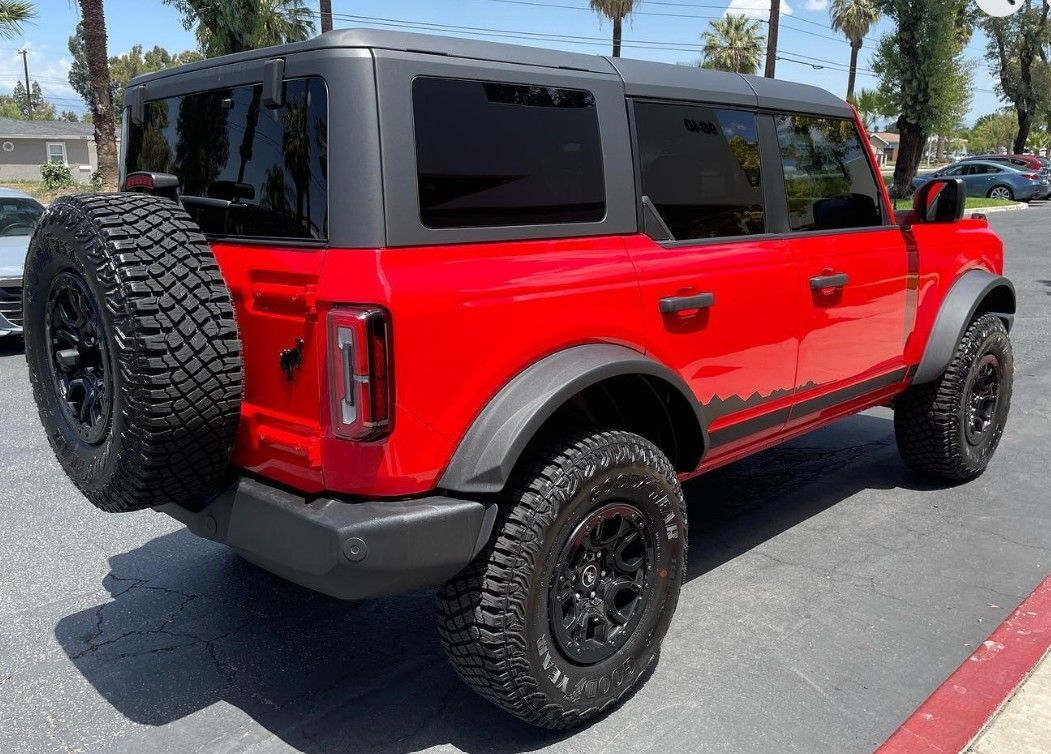
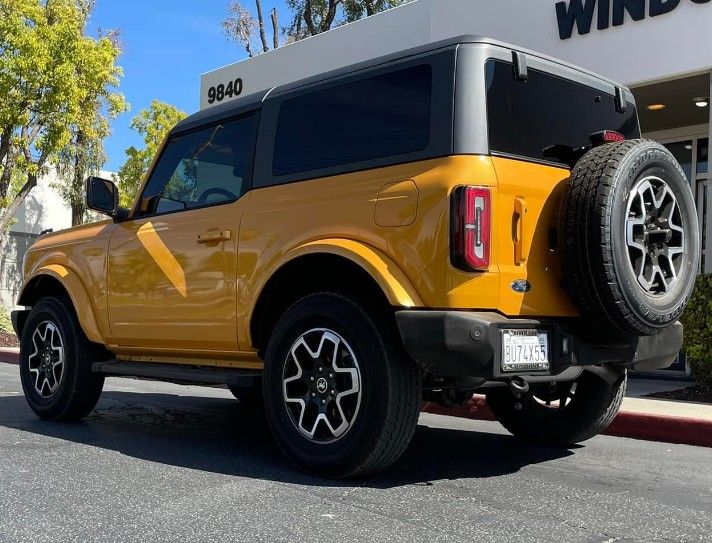
A shade that is perfectly legal in Texas or Arizona will get you cited in Riverside County, which is why a mixed approach is so common: a legal 70% film on the front sides paired with a much darker shade on the rear glass gives you privacy in back without inviting a citation. Our team matches your shade selection to California requirements before a single piece of film is cut.
Matching the Shade to Your Vehicle
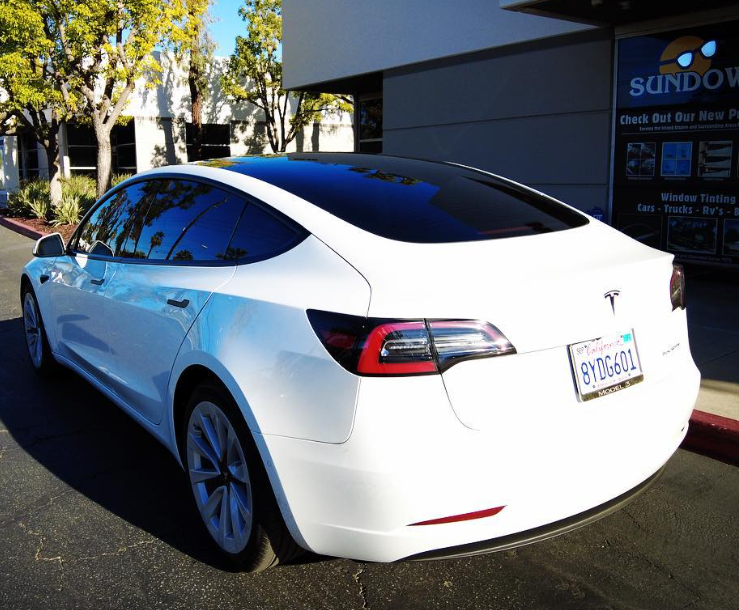
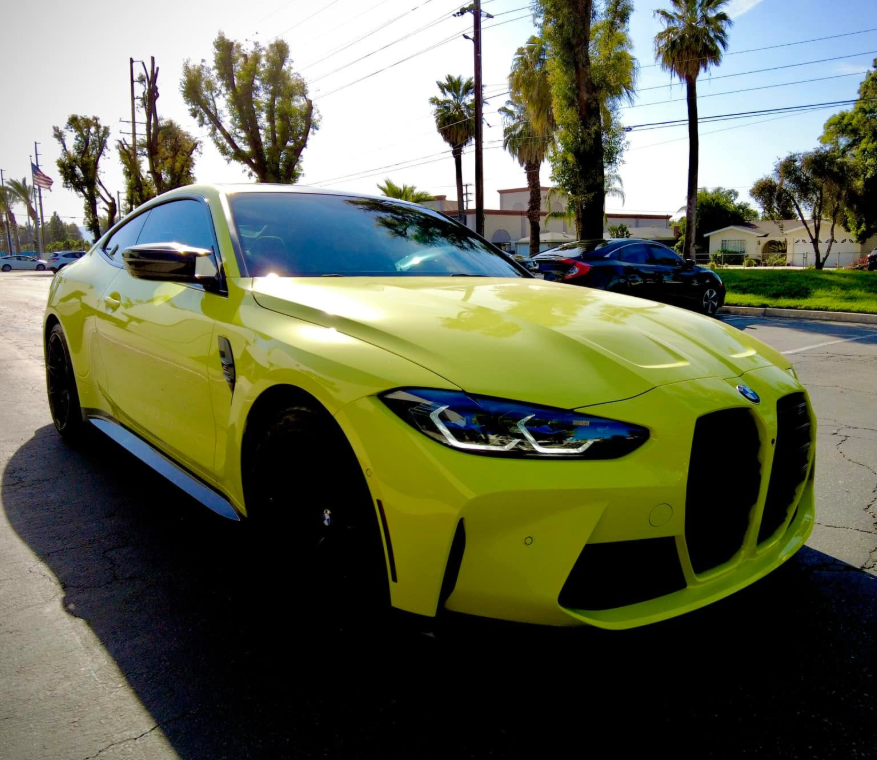
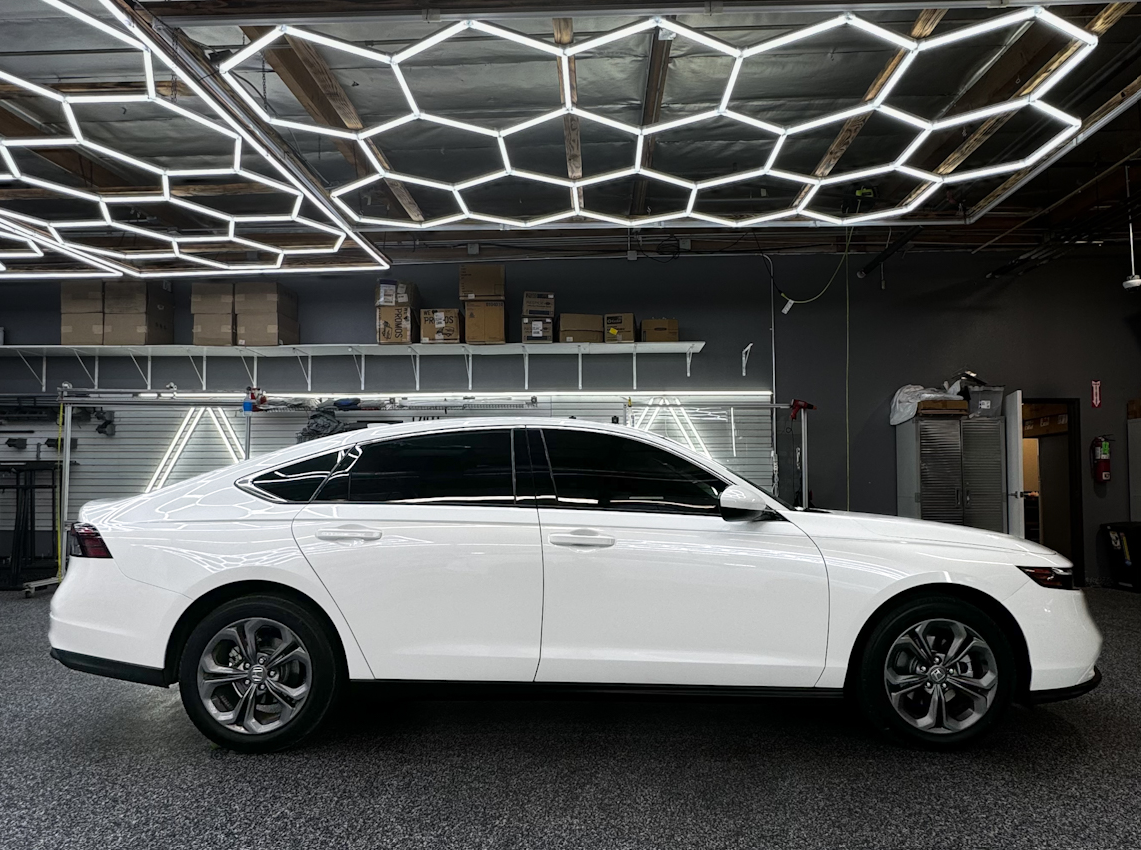
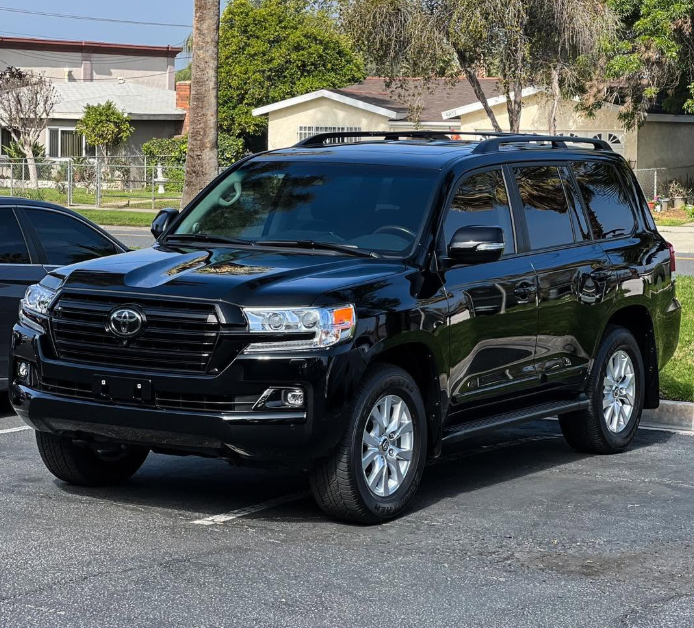
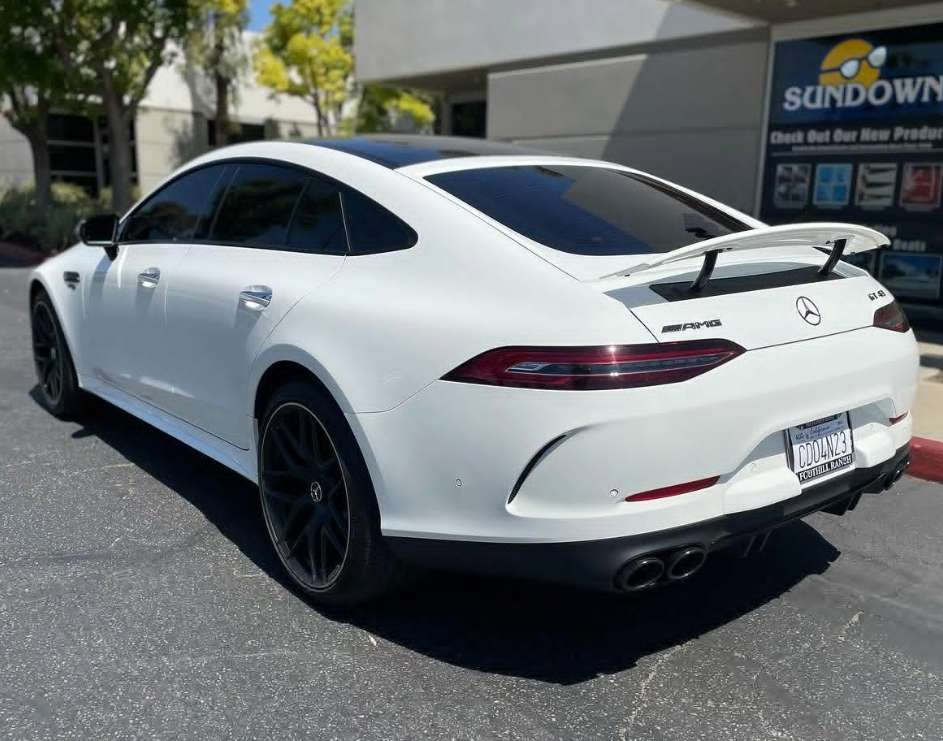
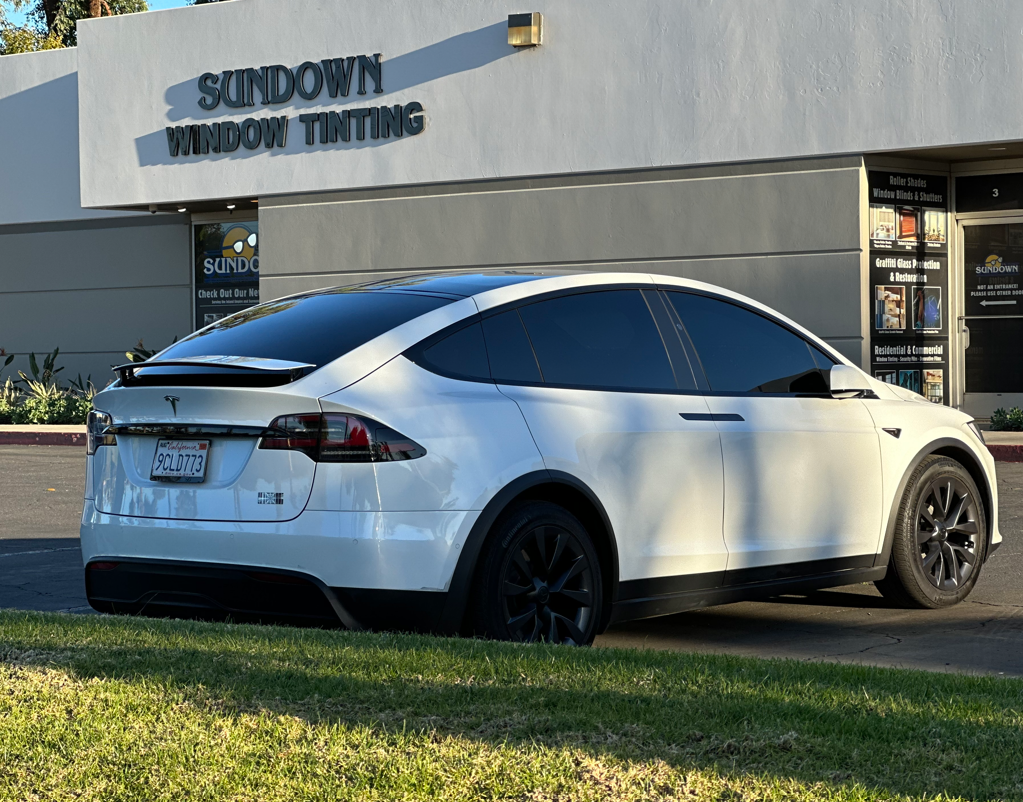
Once legality is settled, style enters the conversation. Darker shades blend naturally with black, charcoal, and deep blue paint, producing a seamless and purposeful look. Lighter vehicles in white, silver, or gray often look better with a moderate shade in the 35% to 50% range, which preserves brightness while adding depth. Performance cars carry darker rear glass well, while luxury sedans and SUVs often look best with a moderate shade that reads as refined rather than imposing. Consider these factors together:
- Paint color, since dark paint supports dark rear glass while light paint benefits from moderate shades
- Vehicle style, since sport oriented builds and luxury builds call for different visual weight
- Your privacy priorities, particularly if you regularly park in public lots
- Your driving schedule, since frequent night driving argues for lighter film
- Local climate, since Riverside summers reward strong infrared heat rejection
Interior Protection and Cabin Comfort
Tint is not only cosmetic. UV exposure cracks dashboards, fades upholstery, and dries out leather over time. Quality film blocks up to 99% of ultraviolet rays, preserving both the look of the cabin and the resale value of the vehicle.
Heat is the second half of the equation. Infrared radiation passes through untreated glass and turns a parked car into an oven, a familiar problem across the Inland Empire. Ceramic film rejects a substantial share of that energy before it enters the cabin, so the interior stays noticeably cooler and your air conditioning works less. Tinted glass also reduces glare from low sun and oncoming headlights, which cuts eye strain on longer drives.
Visibility and Safety After Dark
Shade selection has a real safety dimension. During daylight, moderate film reduces glare and makes it easier to pick out hazards, lane markings, and signals without squinting. After dark the calculation changes, because very dark film reduces how much light reaches your eyes and can make pedestrians, cyclists, and unlit obstacles harder to spot.
This is another reason California’s 70% front side requirement works in your favor. Keeping the front windows light preserves the sightlines you depend on at night, while your rear glass carries a darker shade for privacy without affecting forward or peripheral vision.
Keeping Your Tint Looking New
Good film installed well should last for years, and simple habits protect that investment:
- Wait three to five days after installation before rolling your windows down so the film can fully cure
- Clean with an ammonia free solution, since ammonia breaks down the adhesive and causes bubbling
- Use a soft microfiber cloth rather than paper towels, which leave micro scratches that dull the surface
- Keep sharp objects and scrapers away from tinted glass
- Inspect the edges periodically for lifting or bubbling and address issues early
- Park in shade or use a sunshade when you can, which slows heat stress on the film
Ready to Choose Your Shade?
Sundown Window Tint has served Riverside and the greater Inland Empire since 1978, and our XPEL certified installers walk every customer through shade selection, film technology, and California compliance before any work begins. We will look at your vehicle, ask how and where you drive, and recommend the combination that delivers the privacy, comfort, and appearance you are after.
Call 951-359-0850 orrequest a quote online to schedule your consultation. You can also visit us at 9840 Indiana Avenue, Suite 2 in Riverside, Monday through Friday from 8:00 am to 5:00 pm, with Saturdays available by appointment.
Frequently Asked Questions
What is the darkest legal tint in California?
On front side windows, film must allow at least 70% of light through, so there is no legal option for dark front glass on a passenger vehicle. Back side windows and the rear window have no darkness limit, which is why most Riverside drivers pair a light front film with a much darker shade in back.
Does a darker tint block more heat?
Not necessarily. Darkness and heat rejection are separate properties. A lightceramic film will outperform a much darker dyed film on infrared heat every time. If cooling the cabin is your priority, choose the film technology first and the shade second.
How long before I can roll my windows down?
We recommend waiting three to five days so the adhesive cures completely. Keeping the windows up during that window is what produces a smooth finish with no bubbles or wrinkles. Our team provides full care instructions when you pick up your vehicle.
Will window tint interfere with my phone or GPS?
Metalized films can. Our carbon and ceramic films use nonmetallic construction, so navigation, cell service, radio, and keyless entry all work normally.
How long does professionally installed window tint last?
Quality film that is properly installed and cared for lasts many years without fading, bubbling, or peeling. Dyed film has a much shorter life under constant sun exposure, which is one reason we recommend carbon or ceramic for California drivers.
Can I choose a different shade for each window?
Yes, and many drivers do. Because California regulates front and rear glass differently, mixing shades is often the smartest approach. We will map out a combination that meets the legal requirement up front and gives you the privacy you want in back.