sundown
Is Summer the Best Time to Install Window Tint? A Complete Guide
Choosing the right time to install window tint might seem simple, but it’s actually a bit of a balancing act. Many people assume summer is the obvious choice because that’s when the sun is strongest and heat feels the worst. But is it really the best season, or could other times of year offer better results? This guide breaks down the pros and cons of summer tinting and helps you decide when to get the most out of your window tint investment.
Exploring the Benefits of Window Tint
One of the biggest advantages of window tinting is its ability to block harmful ultraviolet (UV) rays, a serious health concern linked to skin damage, accelerated aging, and an increased risk of skin cancer. High quality tint films can block up to 99% of these rays.
Tinting also preserves the interiors of vehicles and homes by preventing the fading and cracking that comes from daily sun exposure, and enhances privacy and security by restricting the ability of onlookers to peer inside, deterring theft, and offering peace of mind.
Window tints work as natural heat blockers too, reducing solar heat gain to maintain cooler indoor temperatures, decreasing reliance on air conditioning and saving on energy bills. Alongside heat management comes glare reduction, a critical factor for safe driving, since glare from bright sunlight or headlights can temporarily blind drivers and increase accident risks.
| Benefit | Impact |
|---|---|
| UV Protection | Up to 99% UV blocked; lowers skin cancer risk and interior fading |
| Privacy and Security | Obscures vehicle and home interiors; deters theft |
| Heat Reduction | Lowers cabin and room temperature; cuts cooling costs |
| Glare Reduction | Improves visibility; reduces driver fatigue |
Ceramic tints offer superior heat rejection and durability but cost more. Carbon films provide good heat rejection at a more affordable price. Sundown Window Tint’s Premier Ceramic and Ultimate IR Ceramic packages offer 78% and 96% infrared heat rejection respectively, while the Clarity Carbon package offers up to 12% at a more accessible price point.
Advantages of Summer Tinting
Summer’s temperature range, usually between 70°F and 90°F, creates good conditions for tint adhesive to cure properly and bond firmly, reducing chances of bubbling or peeling. Many installers consider spring or fall the gold standard, but summer’s reliable warmth can be just as effective when conditions are managed properly.
During hotter months, UV rays peak in intensity, sometimes reaching “very high” on the UV index scale. Your skin and your car’s interior fabrics, dashboards, and electronics face accelerated fading if left unprotected, which is exactly what tinting addresses. Many drivers also first seek tint when summer sun glares intensely enough that driving becomes uncomfortable, making glare reduction another key seasonal advantage.
It’s common for people to notice rising cabin temperatures, sometimes exceeding outdoor temperatures by a large margin. Our team at Sundown Window Tint is ready to meet that seasonal demand with quality products and professional installation backed by lifetime warranties.
| Advantage | Summer Impact | Benefit |
|---|---|---|
| Adhesive Curing | Increased warmth supports curing | Strong adherence when installed properly |
| UV Protection | Stronger sun intensity and UV index | Maximized blocking of harmful rays |
| Interior Temperature | Cabin temperatures can spike well above outdoor air | Comfortable cabin reduces AC load |
| Glare Reduction | Bright daylight and headlight glare | Safer driving experience |
| Customer Demand | Heightened awareness fuels requests | Wider selection and timely appointments |
Heat Reduction and Comfort
One of the most immediate effects of installing window tint is how much cooler your interior becomes. High quality films block a significant share of the sun’s infrared rays, those invisible heat carriers that make sunlight feel unbearable through glass. Sundown Window Tint’s Ultimate IR Ceramic package rejects up to 96% of infrared heat, compared to a standard film’s 78% rejection rate, easing strain on your air conditioning system.
Even a few degrees of reduced cabin heat make a noticeable difference on long summer road trips, helping reduce fatigue. This can also mean savings on fuel or battery power, adding up over time through:
• Reduced air conditioner runtime
• Lower fuel consumption or energy draw
• Fewer emissions from less engine load
Lower heat levels also help protect your skin from excessive UV exposure and prevent your car’s upholstery from fading prematurely. Sundown Window Tint’s films block up to 99% of harmful UV rays, slowing interior wear while protecting drivers and passengers from sun related skin damage.
Seasonal Installation Challenges
When summer temperatures soar above 90°F (32°C), the heat that motivates installation can also complicate it. Tint adhesive reacts to temperature much like glue: too hot, and it starts drying before it’s properly set against the glass, which can trap air bubbles or cause peeling later. Uneven sunlight can also warm glass surfaces unevenly throughout the day, affecting how consistently the adhesive cures. At Sundown Window Tint, our team works in controlled conditions to offset these issues.
Increased Humidity Levels
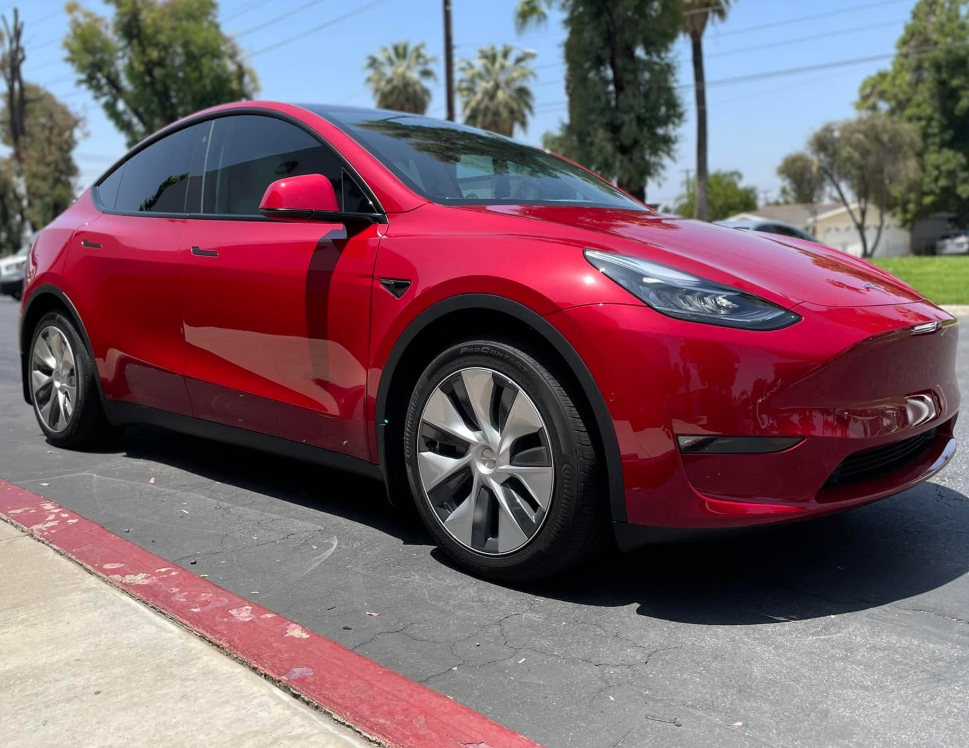
Humidity is another summer factor to manage. High humidity introduces moisture between the film and glass during application, acting as a barrier that prevents strong adhesion and can lead to bubbling as trapped water evaporates over time. Managing this means controlling more than just temperature; it involves regulating airflow and timing installations around favorable conditions, which is why a team that tailors its approach to summer’s demands makes a real difference.
Factors Affecting Tint Quality
Window tint quality hinges on several elements beyond color or shade. The type of film matters most: ceramic stands out by blocking a significant share of infrared rays and up to 99.9% of harmful UV radiation without interfering with cell phone or radio signals.
However advanced the film, its effectiveness depends on who applies it. Our team at Sundown Window Tint brings decades of experience that translates into precise cuts, bubble free application, and seamless edges, backed by lifetime warranties that DIY projects can rarely offer.
Shade selection matters too. Neutral shades such as mid grey or charcoal align with factory glass tones while keeping your vehicle street legal. Our team is well versed in California’s window tint laws and will help you select a shade and darkness level that fits your style and the legal requirements for your vehicle. If you’re in the Riverside, California area, we offer free quotes for vehicle window tinting and free in person estimates for flat glass film installations.
Professional vs. DIY Installation
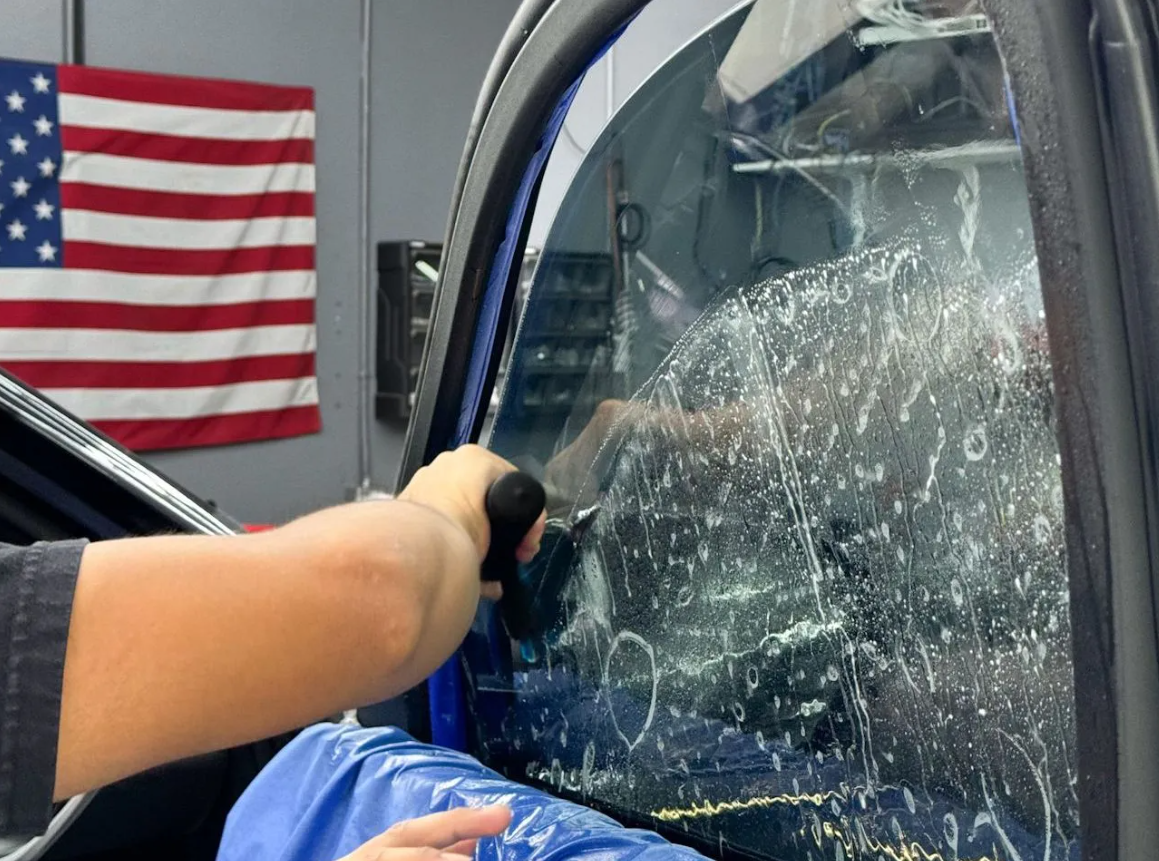
Professional installation means entrusting your vehicle to a team that understands every detail of the process. At Sundown Window Tint, our installers conduct thorough cleaning, use computer generated patterns to precisely cut each tint film to your exact windows, then heat shrink the film to contour around curves, something difficult to replicate at home. Edges are carefully tucked under seals to help prevent peeling later.
DIY kits appeal because of cost savings and convenience, but trade offs often don’t show up until much later, including:
• Inadequate cleaning that leaves behind dust or oils
• Incorrect cutting causing film mismatches
• Poor heat shrinking leaving wrinkles on curved glass
• Insufficient adhesive curing leading to edge lifts
These issues can shorten the lifespan of tint films and diminish protection against UV rays and infrared heat. Professional installations happen in controlled environments that minimize exposure to humidity and airborne particles. Our technicians tailor their techniques regardless of season, reducing concerns about outdoor heat causing premature drying or contamination.
Decision Making for Tinting
Cost is often the first factor in this decision, and pricing depends on your vehicle and the specific film chosen. With Sundown Window Tint’s Ultimate IR Ceramic film blocking up to 96% of infrared rays, your cabin stays cooler naturally, lessening dependence on air conditioning and helping support fuel efficiency or extended battery range.
Timing also plays a role. Summer stands out because, under the right conditions, sunlight can help ceramic tint cure efficiently, meaning relief from glare and heat soon after installation, while benefiting from ceramic tint’s strong rejection of UVA and UVB rays, which can block up to 99.9% of harmful ultraviolet light.
Scheduling professional installation through Sundown Window Tint means trusted application and eligibility for our lifetime warranties. A DIY job may save a few dollars upfront but risks uneven application or signal interference if you choose metalized films instead of ceramic.
Get Professional Window Tint That Lasts
Whether you choose ceramic or carbon window tint, professional installation makes all the difference in long-term performance, appearance, and durability. Properly installed window tint helps reduce heat, block harmful UV rays, minimize glare, and protect your vehicle's interior for years to come.
At Sundown Window Tint, we've been providing expert window tinting services for over 45 years. Our experienced installers use premium films, precision installation techniques, and controlled application environments to deliver bubble-free results backed by a warranty. We proudly serve Riverside, Corona, Ontario, and surrounding Inland Empire communities.
Contact Sundown Window Tint today for a free quote and let our team help you choose the perfect window tint for your vehicle. Call 951-359-0850 or schedule your appointment online to enjoy a cooler, more comfortable drive all year long.
Related FAQs
How long does it take for window tint adhesive to cure after installation?
About three to five days, though the film often looks good immediately. Keep your windows up during this period, since summer heat can speed up the process.
What are the pros and cons of installing window tint during summer versus other seasons?
Summer offers immediate heat relief and UV protection, but scorching heat can occasionally make curing tricky if not handled by an experienced team. Spring or fall offer milder temperatures for smoother installation, without that instant comfort boost.
Can window tint be installed successfully in cold or winter conditions?
Yes, with extra care. Cold makes adhesive less tacky, so installers use techniques suited to lower temperatures or warm the film and glass beforehand.
How does temperature affect the efficiency of window tint installation?
Too cold and adhesive won’t bond properly; too hot and the film can overstretch or bubble. Moderate temperatures support the most reliable adhesion.
Are there special considerations for vehicles versus home windows?
Vehicle tinting demands precision due to curved glass and intense road exposure, while home windows benefit more from energy efficiency and privacy. Vehicle tint blocks up to 99% of UV rays, reducing dashboard fading and skin damage, while home tint focuses on cooling costs and comfort.