sundown
Does Window Tint Improve Fuel Efficiency and AC Performance? Complete Guide to Benefits
When you think about ways to save fuel or keep your car cool, window tinting might not be the first thing that comes to mind. Yet it does more than make your vehicle look sleek. It actively reduces heat inside your car, easing the burden on your air conditioning system and improving fuel efficiency over time. This guide explores how tinting your windows delivers practical benefits well beyond style and privacy.
Professional window tinting reduces solar heat entering your vehicle, helping to keep the interior cooler and decreasing the workload on your AC system. While this can lead to modest fuel savings by reducing AC usage and improving overall comfort, the impact on fuel efficiency is most noticeable in hot climates where air conditioning demand is consistently high.
How Window Tint Enhances Automotive Efficiency
When sunlight streams through untinted windows, much of its energy enters your car as infrared (IR) radiation. This invisible heat source rapidly warms interior surfaces like the dashboard and seats, creating an uncomfortable environment almost instantly on hot days. Window tint films act like a shield, reflecting and absorbing these IR rays before they can penetrate inside, lowering the overall cabin temperature by as much as 30 degrees Fahrenheit (about 17 degrees Celsius).
With less heat seeping into the cabin, your air conditioning system does not have to run constantly at full blast. A lower workload on the AC means the compressor and other components experience less strain, which translates to reduced wear and tear over time. This extends the lifespan of your vehicle’s cooling system and cuts down on long-term maintenance costs.
Research published in the Journal of Automobile Engineering shows that tinted windows can reduce AC energy consumption by about 10% to 15%. The Environmental Protection Agency notes that using an air conditioner can increase a vehicle’s fuel consumption by up to 20%. By reducing interior heat buildup, window tint shrinks the need for aggressive air conditioning use, with fuel efficiency improvements in city driving conditions ranging from 3% to 7%, depending on tint quality and climate.
Beyond fuel economy, reducing AC runtime lowers emissions positively. Less fuel burned means fewer pollutants released into the atmosphere, making professional-grade window tinting a meaningful step toward lowering your carbon footprint.
Ceramic window tints stand out for their ability to block infrared radiation without reducing visibility or interfering with electronics like GPS or cell phone signals. Unlike dyed or metallic films, ceramic films provide superior heat rejection, blocking up to 80% of solar heat input and nearly 99% of IR rays, all while maintaining clear views and seamless device functionality.
For anyone serious about enhancing comfort, protecting their car’s interior from sun damage, and achieving real efficiency gains, investing in high-quality ceramic tinting from trusted providers like Sundown Window Tint is a smart choice. Their expert installation ensures optimal film performance tailored for your vehicle’s specific needs.
Impact on Air Conditioning Performance
When sunlight streams through your car windows, it carries intense infrared rays that heat up the interior quickly. Without protection, this solar heat forces your air conditioning to work overtime, causing the AC compressor to cycle on and off frequently, consuming more energy and accelerating wear on components like the compressor clutch and refrigerant system.
Installing professional-grade window tint films, such as those offered by Sundown Window Tint, blocks up to 70% of these infrared rays. This heat rejection keeps the cabin cooler naturally, reducing how hard your AC has to work.
An untinted vehicle parked on a scorching summer day can reach temperatures beyond 130 degrees Fahrenheit within minutes. With high-quality window tint applied, that interior temperature drops significantly, often around 10 to 15 degrees cooler. The AC can then restore comfort faster and maintain a stable climate without cycling aggressively, resulting in smoother operation and less mechanical stress.
Studies from SAE International indicate that vehicles with effective window tinting reduce their AC runtime by up to 20 minutes each hour during extreme heat conditions. This reduced runtime prolongs component life and conserves fuel because the engine is not taxed as heavily powering an overworked AC system.
Fuel Savings with Tinted Windows
The core benefit lies in how window tint reduces solar heat gain inside your vehicle. When the sun’s radiation is blocked or reflected by the tint film, the cabin stays cooler without your AC working overtime, meaning your engine does not need to consume as much fuel powering the air conditioning compressor. This effect is especially noticeable during hot summer months or in sunny climates where temperatures routinely spike.
Research from the Environmental Protection Agency (EPA) indicates that AC use can reduce fuel economy by as much as 25% in extreme heat. By installing quality window tints, especially advanced ceramic or carbon films that block not just visible light but infrared heat energy, you can cut down how often and how intensively you run your AC. Many drivers report getting an additional 1 to 2 miles per gallon simply because their vehicles stay cooler and they rely less on air conditioning.
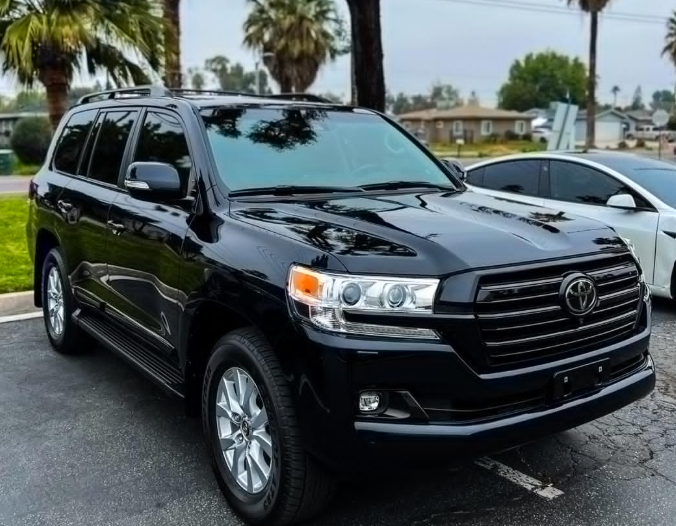

In hot and sunny regions tinted windows demonstrate their full potential in reducing interior heat buildup. In cooler or cloudier regions, absolute gains may be smaller, though the UV protection and comfort benefits remain year-round.
Key Points About Fuel Efficiency and Window Tinting
Stronger sun exposure and higher temperatures mean greater AC demand without tint.
Higher AC usage equals more fuel consumption.
Tinted windows can lower interior heat by up to 60%, depending on tint type.
Blocking infrared rays is key to reducing cabin temperature effectively.
Ceramic tints generally provide the best heat rejection without signal interference.
Effectiveness in Different Climates
In some regions, where the sun beats down relentlessly, window tinting is not just an accessory. It is practically a necessity. Next-generation nano-ceramic films block up to 98% of infrared heat and over 99% of UV rays, significantly reducing interior temperatures and easing the burden on your AC system. Drivers who choose a high-quality film from a trusted installer like Sundown Window Tint consistently report less glare, a cooler cabin, and meaningful fuel savings throughout the summer months.
By contrast, in cooler or temperate climates, the role of window tint shifts somewhat. Dramatic fuel savings are less likely, but tint still moderates temperature swings throughout the year, protects interiors from UV fading, and reduces the glare that can fatigue drivers during brief sunny stretches.
| Climate Type | Primary Benefits | Typical Experience |
|---|---|---|
| Hot and Sunny (e.g., Florida) | Major heat reduction; improved fuel efficiency; strong UV protection | Noticeably cooler cabin; lower energy use; reduced glare |
| Temperate (e.g., Pacific Northwest) | Reduced glare; UV protection; consistent interior comfort | Mild fuel savings; protection from sun damage |
| Cold Regions (e.g., Northern states) | UV protection; glare reduction; slight heat retention | Modest overall impact; interior warmth preserved longer |
Longevity and Maintenance of Tinted Windows
High-quality films, especially ceramic tints, can sustain their protective qualities for up to 20 years with proper care. This extended lifespan means your vehicle continues to enjoy reduced interior temperatures, less strain on the AC system, and improved fuel efficiency across many driving seasons.
Ceramic and hybrid films are engineered with advanced nanoparticles that resist fading and bubbling far better than traditional dyed or metalized films. To preserve your tint’s integrity, clean windows using soft microfiber cloths and ammonia-free solutions. Avoid harsh chemicals containing ammonia, as these degrade the adhesive layer beneath the film and cause peeling or discoloration. Give your car a few days without rolling down windows after installation to allow the adhesive to cure properly.
Sustaining this lifespan benefits your wallet by avoiding premature tint replacement and aligns with environmental values by reducing waste. Watch for early warning signs such as bubbling, haziness, purple discoloration, or cracking, and address them before they compromise performance.
Comfort and Interior Protection with Tinting
Tinted windows actively block up to 99% of harmful ultraviolet (UV) rays, the invisible culprits behind accelerated fading and damage to your car’s upholstery, dashboard, and trim. Without this protection, minor fading quickly turns into cracking leather seats or a brittle dashboard surface, dramatically aging the vehicle’s interior and lowering its resale value.
Research consistently shows that interiors with quality tint can stay 10 to 20 degrees Fahrenheit cooler compared to untinted vehicles. Cooler interiors mean less demand on your AC system, quieter operation, and steadier airflow. When your AC is not working overtime to combat intense heat, it maintains consistent performance and extends the lifespan of key components like compressors and coils.
By reducing glare, window tinting also makes driving calmer and safer, helping you stay focused on the road without eye strain during long drives. For drivers in hot climates or those who frequently park outdoors, professional-grade ceramic tint is the optimal choice, maximizing heat rejection while preserving natural visibility and preserving device signals such as GPS or cell data.
| Benefit | What It Means for You | Long-Term Impact |
|---|---|---|
| Glare Reduction | Safer driving with less eye strain | Reduced fatigue on long trips |
| UV Ray Blocking | Protects seats, trim, and dashboard from fading | Preserves interior value and aesthetics |
| Heat Rejection | Cooler cabin temperatures | Less AC wear and improved longevity |
| Stable Interior Climate | More comfortable rides year-round | Enhanced daily driving experience |
Whether you are commuting through busy city streets or navigating long summer road trips, professional window tinting delivers consistent advantages. From a cooler cabin and lower fuel costs to protected interiors and reduced emissions, it is a smart, lasting upgrade for nearly every driver.
Stay Cooler, Drive Smarter with Professional Window Tint
Reducing heat inside your vehicle is not just about comfort - it directly impacts your AC performance and fuel efficiency. The right window tint helps your car stay cooler, reduces strain on your AC system, and improves your overall driving experience.
At Sundown Window Tint, we install high-performance films designed to maximize heat rejection, comfort, and long-term efficiency.
Ready to experience the difference? Call us at 951-359-0850 or contact us online to book your consultation today for your professional window tint service today.
Frequently Asked Questions
How does window tint affect the interior temperature of a vehicle?
Window tint blocks up to 60% of solar heat, reducing interior temperatures by as much as 30 degrees Fahrenheit on a hot day. This keeps the cabin cooler, lightens the AC load, and contributes to improved fuel efficiency.
What types of window tints offer the best heat rejection for improved fuel efficiency?
Ceramic window tints provide the best heat rejection, blocking up to 60% of solar heat without interfering with signals or visibility. They reflect infrared rays more effectively than dyed or metallic films, reducing the need for excessive AC use and helping drivers save fuel by up to 5-10% on hot days.
Can tinted windows reduce the workload on a car’s air conditioning system?
Yes. Quality tint blocks up to 60% of the sun’s heat, meaning your car’s AC does not have to work overtime to keep things cool. Studies show that with quality tint, your AC can run up to 15-25% more efficiently, saving fuel and maintaining consistent interior comfort.
Are there any legal restrictions or regulations regarding window tint?
Yes, window tint laws vary by state and typically restrict side window tint to a minimum of 35% visible light transmission to ensure driver visibility and safety. Always check local regulations before installation to ensure compliance.
Is there measurable data showing fuel savings from using window tint?
Yes. Studies indicate that tinted windows can lower cabin temperatures by up to 30%, leading to AC systems consuming less fuel and typically improving fuel economy by around 3-5% during hot weather conditions.