sundown
PPF vs Ceramic Coating: Benefits, Differences, and Do You Need Both?
When it comes to protecting your car’s paint, choosing between Paint Protection Film (PPF) and ceramic coating is rarely straightforward. These two options guard your vehicle in fundamentally different ways, and understanding what makes each unique can save you time, money, and frustration. Below, we break down exactly how PPF and ceramic coatings work, the benefits each provides, and whether using both together might be the smartest approach for keeping your car looking its best.
For optimal paint protection, especially on high-value vehicles, experts recommend using both PPF and ceramic coating. PPF provides superior defense against rock chips, scratches, and physical damage, while ceramic coating enhances gloss and simplifies cleaning. Combined, they offer comprehensive, long-lasting protection that neither can achieve alone.
What Are PPF and Ceramic Coating?
Paint Protection Film (PPF), often called a clear bra, is a tough, transparent layer of thermoplastic urethane that adheres directly to your car’s painted surface. Unlike wax or spray-on products, PPF acts as a physical barrier, absorbing stone chips, scratches, minor abrasions, and environmental hazards like bug splatter and tree sap. High-quality PPF also features a self-healing property: small scratches and swirl marks can disappear when exposed to heat from sunlight or a heat gun. Because it sits on top of your paint as a separate film, PPF can be removed without harming the original factory finish, preserving both appearance and resale value.
Ceramic coating takes a very different approach. It is a liquid polymer that chemically bonds with your vehicle’s clear coat, creating a thin yet durable hydrophobic layer that repels water, resists chemical contaminants, and blocks UV rays. Water beads up and rolls off, carrying dirt with it and making routine cleaning far simpler. Think of ceramic coating as an advanced wax replacement: instead of frequent reapplications, it delivers long-lasting protection for years under proper care. It does not, however, provide robust physical impact resistance and will not shield paint from rock chips or deep scratches.
| Feature | Paint Protection Film (PPF) | Ceramic Coating |
|---|---|---|
| Type | Transparent thermoplastic film | Liquid polymer, chemically bonded |
| Primary Function | Physical barrier against chips and scratches | Chemical resistance and hydrophobicity |
| Thickness | 6-8 mils (0.15-0.20 mm) | 1-3 microns |
| Durability | 5-10 years | 2-5 years |
| Maintenance | Minimal once installed | Requires regular upkeep |
Key Differences
The core distinction lies in the type of defense each product offers. PPF provides a physical shield against everyday road hazards including rock chips, highway debris, and minor abrasions from accidental contact. Ceramic coating focuses on chemical resistance and environmental protection, creating a hydrophobic surface that repels water, bird droppings, acid rain, and UV rays. This fundamental difference means PPF guards your paint aggressively against physical harm while ceramic coatings excel at preserving its finish, preventing fading, and simplifying cleaning.
Application processes also differ significantly. PPF arrives as flexible sheets, often pre-cut for specific models, and must be laid onto body panels with precision so edges are fully tucked or invisibly sealed. Ceramic coatings are applied as liquids by hand and require hours to days to fully cure. PPF installations generally carry a higher cost due to material and labor complexity, while some enthusiasts apply entry-level ceramic coatings themselves. For professional-grade results, however, both treatments require skilled technicians and careful surface preparation.
Benefits of Paint Protection Film
PPF stands out for its robust physical protection. A single pebble kicked up on a gravel road can leave noticeable chips or nicks in unprotected paint. With PPF applied, those impacts are absorbed by the film rather than your finish, preventing costly repairs over time. This protection is especially valuable on highways, rural roads, and in busy urban traffic where scrapes from other vehicles or shopping carts are common.
The self-healing technology found in modern PPF products is not just a marketing claim. When minor abrasions appear, exposing the affected area to warmth causes the film’s surface to smooth back out, effectively erasing the damage. This keeps the film looking fresh and significantly extends its effective lifespan. High-quality PPF also resists chemical contaminants like bird droppings, bug splatter, and road salts, acting as a sacrificial shield so these substances attack the film rather than your clear coat.
From a longevity standpoint, premium PPF lasts five to ten years, with many products backed by warranties of seven to ten years. Over time, this durability translates into lower maintenance costs and better resale value because the paint remains close to factory condition.
Core benefits at a glance:
• Absorbs impact from stones and debris, reducing paint chips by up to 90%
• Self-heals minor scratches within 24-48 hours under heat exposure
• Blocks up to 99% of harmful UV rays to reduce fading
• Resists chemical stains from bug splatter, bird droppings, and road salt
• Lasts 5-10 years with warranty support for long-term peace of mind

Advantages of Ceramic Coating
Ceramic coatings protect through chemistry rather than physical mass. Their standout trait is hydrophobicity: water, mud, and grime bead up and slide off rather than clinging to the surface. This reduces water spots, simplifies washing, and cuts the adhesion of common contaminants like tree sap and bird droppings by up to 50%. For owners who want a pristine car without constant upkeep, this property alone delivers meaningful daily value.
The visual upgrade ceramic coatings provide is equally compelling. The enhanced gloss and depth are frequently described as showroom quality. Unlike wax that washes away or clouds over time, ceramic coating creates a durable transparent layer that boosts paint clarity and makes colors appear more vivid. It also smooths microscopic surface imperfections in the clear coat, making everyday swirl marks appear far less prominent.
UV protection is another critical advantage. Ultraviolet rays accelerate oxidation, dulling color and causing paint to fade, particularly on vehicles parked outdoors or driven in sun-intense climates. A properly applied ceramic coating filters approximately 90% of these harmful rays, substantially slowing this aging process and helping maintain rich, vibrant color without relying on frequent polishing or repainting.
Cost and Application
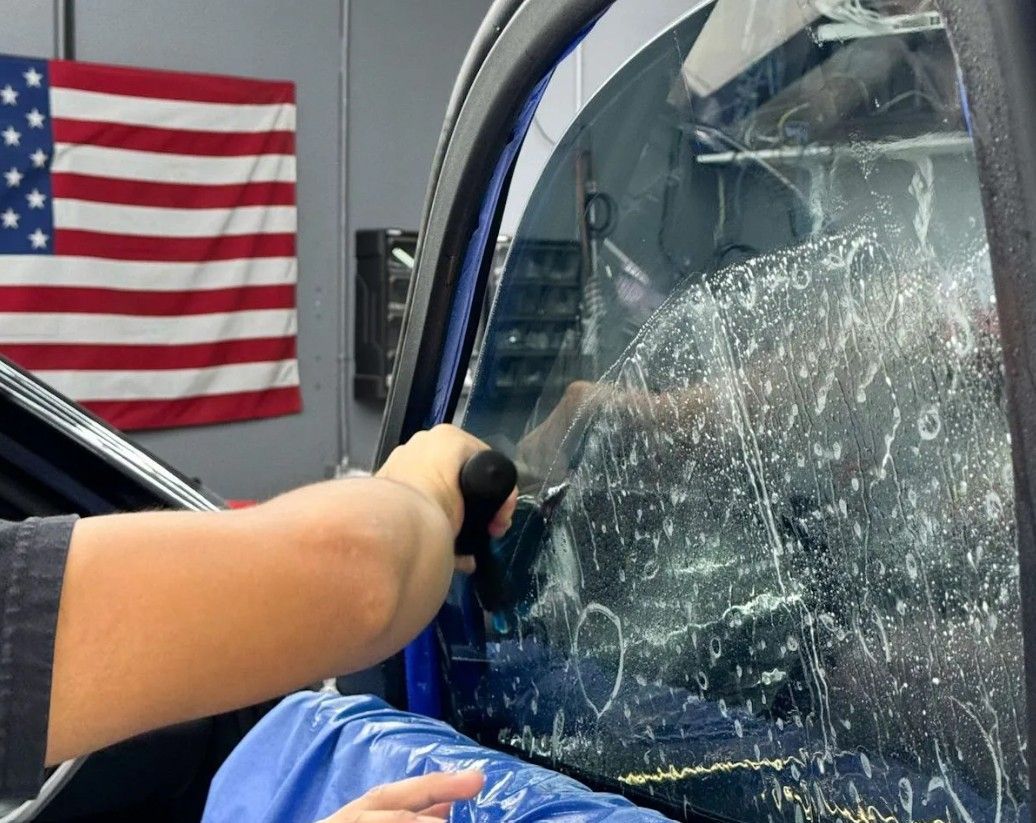
PPF installation typically ranges from $2,000 to $7,000 depending on vehicle size and coverage area. Larger or more complex vehicles require more film and labor, pushing costs higher. Installers spend significant time measuring, cutting, and applying the urethane film using heat guns and squeegees to mold it precisely over curves and edges. Many owners choose targeted PPF coverage on high-impact zones such as the hood, front bumper, side mirrors, and fenders, with starting costs around $600 to $1,500 for partial coverage.
Ceramic coating application generally ranges from $1,000 to $3,000 professionally. The liquid polymer is applied in thin layers by hand and must cure fully before the vehicle is exposed to water or contaminants. Both treatments require meticulous surface preparation beforehand. Paint must be thoroughly cleaned and corrected so that imperfections are not sealed beneath the protective layer. Investing in experienced, certified installers ensures both products perform as intended and deliver their full lifespan.
When to Use Both
The decision to combine PPF with ceramic coating makes the most sense when you want comprehensive protection that addresses multiple threats at once. Consider a vehicle regularly driven on freeways with loose gravel, parked under trees, or exposed to intense UV rays and environmental contaminants. Relying on just one product leaves gaps. PPF covers vulnerable areas such as the front bumper, hood, fenders, and mirrors, creating a resilient barrier against rock chips and physical damage. Ceramic coating then seals both the PPF and any remaining exposed paint with a hydrophobic, UV-resistant layer that repels water, prevents oxidation, and maintains a brilliant shine.
The synergy between the two products is significant. Ceramic coating enhances the gloss and clarity of the PPF film itself and extends its lifespan by protecting against yellowing and contamination. In practical terms, this means less frequent washing, easier cleaning, and reduced wear over time. Studies indicate that vehicles protected by both layers experience measurably less paint damage and maintain their finish longer compared to single-treatment approaches.
| Factor | Combined Benefit |
|---|---|
| Physical Impact | PPF blocks rock chips and road debris |
| Chemical Resistance | Ceramic coating repels stains and UV damage |
| Longevity | Ceramic coating helps prevent PPF yellowing |
| Maintenance | Reduced cleaning frequency and effort |
| Resale Value | Preserved factory paint supports higher vehicle value |
The upfront investment is higher when combining both treatments, but when weighed against potential repair costs for chips, faded paint, or repainting, the balance frequently tips toward protection. For collectors, daily commuters on busy highways, or anyone planning to keep their car in excellent condition for years, the dual-layer approach is often the wisest choice.
Protect Your Vehicle with Sundown Window Tint
At Sundown Window Tint in Riverside, CA, our experienced team guides you through every step of the process, from selecting the right coverage zones tailored to your lifestyle and driving habits to ensuring flawless multi-day installations. Whether you are looking for targeted PPF coverage, a full ceramic coating, or the ultimate combination of both, we are here to help you make the most informed decision for your vehicle.
Not Sure Between PPF or Ceramic Coating? Get Expert Guidance
Choosing the right paint protection depends on how you drive, where you park, and how long you want your vehicle to stay in top condition. Whether you need impact protection, easier maintenance, or both, the right solution makes all the difference.
At Sundown Window Tint, we help you choose between PPF, ceramic coating, or a combination of both for complete, long-term protection.
Protecting your vehicle is not just about today. It is about preserving its beauty and value well into the future. Call us at 951-359-0850 or contact us online to book your consultation today and secure your car’s ultimate defense.
FAQs on PPF vs Ceramic Coating
What is the main difference between PPF and ceramic coating?
PPF is a thick, physical film that protects against rock chips, scratches, and impacts, while ceramic coating is a liquid layer that bonds with paint to provide UV protection, gloss, and easier cleaning.
Which is better for daily drivers: PPF or ceramic coating?
For most daily drivers, a combination works best. PPF protects high-impact areas like the front bumper and hood, while ceramic coating enhances shine and reduces maintenance across the rest of the vehicle.
Can ceramic coating replace PPF?
No. Ceramic coating cannot replace PPF because it does not provide strong impact resistance. It protects against contaminants and UV damage but will not stop rock chips or deep scratches.
Is PPF worth the higher cost compared to ceramic coating?
Yes, especially for high-value vehicles or drivers who frequently travel on highways. PPF prevents costly paint damage and helps maintain resale value over time.
How long do PPF and ceramic coating last?
PPF typically lasts 5–10 years, while ceramic coating lasts 2–5 years depending on product quality and maintenance.
Does PPF affect the appearance of the car?
High-quality PPF is nearly invisible and can even enhance gloss slightly. Matte PPF options are also available to create a unique finish.
Can you apply ceramic coating on top of PPF?
Yes. Applying ceramic coating over PPF improves hydrophobic properties, enhances gloss, and helps prevent staining and discoloration of the film.
Which option requires less maintenance?
PPF requires minimal maintenance after installation, while ceramic coating reduces cleaning effort but still needs periodic washing and occasional booster treatments.
Is it better to install PPF or ceramic coating first?
PPF should always be installed first, followed by ceramic coating. This ensures proper adhesion and allows the coating to protect both the film and exposed paint.