sundown
Clear PPF vs. Colored PPF: Trends and Benefits Car Owners Trust
Choosing the right way to protect your car's paint can seem overwhelming with so many options available. You might be wondering whether to stick with a clear protective film that keeps your car looking factory-fresh, or try a colored film that delivers both style and defense at the same time. Both offer real advantages, and understanding what sets them apart helps you make a smart decision that fits how you want your car to look and perform on the road.
Clear PPF offers virtually invisible protection that preserves your vehicle's original paint and resale value, making it the top choice for luxury and collector cars. Colored PPF combines durable paint protection with vibrant color transformation options, allowing reversible aesthetic customization favored by enthusiasts seeking both style and protection. Popular trends include matte and satin finishes, color-shifting effects, and premium textures like 3D carbon fiber wraps.
Understanding Clear and Colored PPF: A Quick Comparison
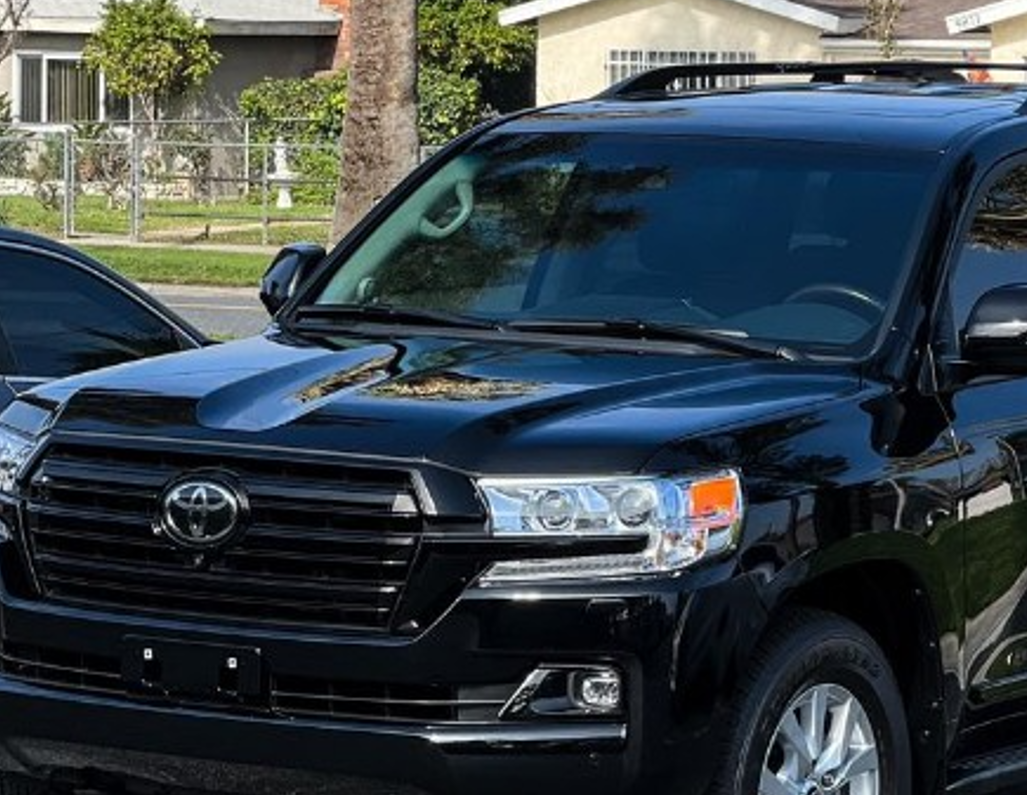
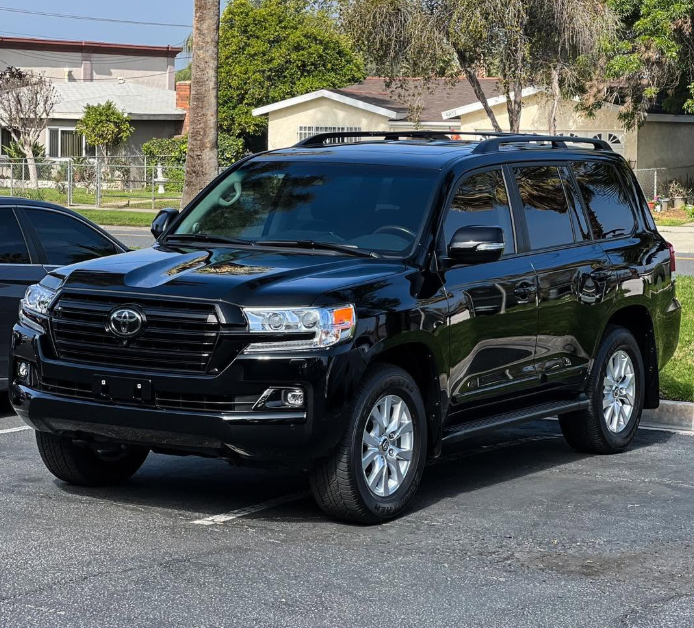
Clear PPF has earned its reputation as the go-to protective layer because it stays out of sight, preserving every nuance of your car's original paint. This is especially important for vehicles with special factory finishes such as metallic or pearlescent paint, where even subtle color shifts can affect value. The clear film acts like invisible armor, shielding against rock chips, scratches, and contaminants without altering what makes your car unique.
Colored PPF expands that protection by adding a visually striking element, allowing you to completely change the color or finish of your vehicle while still safeguarding the paint beneath. It delivers a reversible transformation with added durability, which is why many enthusiasts opt for colored films when they want to redefine their car's style without committing to an expensive, permanent repaint.
Both types are crafted from thermoplastic polyurethane (TPU), a material celebrated for its flexibility, durability, and self-healing properties. Minor scratches vanish on their own within days under sunlight or heat exposure. Clear PPF delivers a nearly transparent shield with up to 95% light transmission, ensuring colors remain true. Colored PPF typically transmits slightly less light (70 to 85%), subtly changing how your car appears while offering exciting finishes ranging from classic gloss reds to sleek matte blacks.
Both films share comparable thickness, generally 6 to 8 mils, offering equivalent physical defense against chips and road debris. The installation process differs, though: colored PPF requires more precision during application due to pigmentation and edge-blending challenges.
| Feature | Clear PPF | Colored PPF |
|---|---|---|
| Appearance Impact | Virtually invisible | Alters car color/finish |
| Light Transmission | 90–95% | 70–85% |
| Installation Complexity | Moderate | Higher; requires experienced installers |
| Cost | Lower to moderate | 10–20% higher than clear |
| Ideal For | Preserving factory finish | Customization plus protection |
Which Offers Better Protection and Longevity?
Both clear and colored PPF deliver impressive protection that car owners across Southern California trust. The thickness of these films, typically around 8 mils, acts like an invisible shield engineered to withstand rock chips, scratches from road debris, and minor abrasions. A key feature is the self-healing property found in both film types. When tiny scratches appear, the TPU layer heals when exposed to warmth from sunlight or a heat gun, keeping your car looking fresh without constant touch-ups.
Because colored PPF contains pigments, the self-healing process may take roughly 10 to 15% more time compared to clear PPF. This does not compromise protection in any meaningful way. Colored films can sometimes show minor fading after extended exposure to harsh sunlight, which slightly narrows their effective lifespan compared to clear films. Clear PPF maintains UV resistance above 99% with little yellowing even after years of use.
If preserving the factory paint is paramount, clear PPF offers nearly invisible coverage with maximum lifespan. If you want to make a bold visual statement while still receiving robust defense, colored PPF brings that flair at a slightly shorter service interval.
Visual and Aesthetic Differences
Clear PPF excels at preserving your vehicle's original paint color and sheen, becoming virtually invisible once installed. The high light transmission ensures that even intricate metallic flakes or pearlescent finishes remain fully intact. Clear PPF is also available in varying gloss levels, from highly reflective to subtle matte.
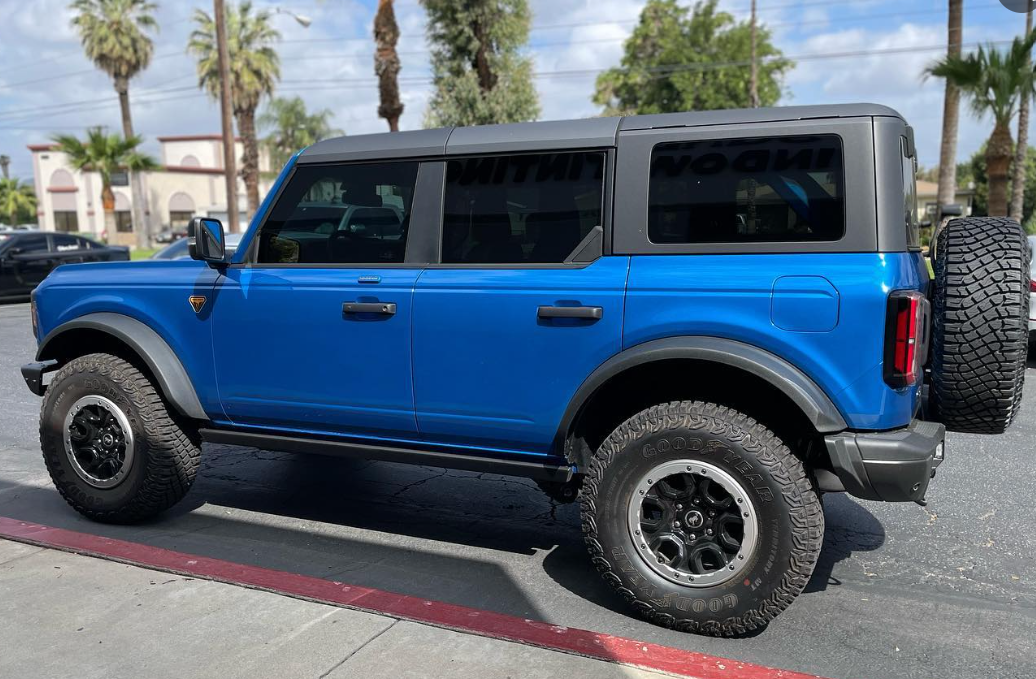
Colored PPF takes visual customization further by combining protection with a wide range of stunning color options. Unlike traditional vinyl wraps, these films are made from thick thermoplastic polyurethane, offering a smooth, flat surface with far less orange-peel texture. Whether you are drawn to bold shades like Gloss Crystal Sky Blue or prefer understated sophistication with Matte Arctic Grey, colored PPF lets you completely redefine your car's personality while keeping the underlying paint safe.
Colored PPF tends to amplify color saturation by 10 to 20%, giving cars richer, more vibrant tones compared to bare paint alone. These films also feature self-healing topcoats and hydrophobic properties that maintain both appearance and durability for years. Because colored PPF is removable, it makes reversible transformation possible without the cost or permanence of repainting.
For owners prioritizing authenticity and value retention, clear PPF remains unbeatable. If you crave a fresh aesthetic identity combined with top-grade protection, colored PPF offers a sophisticated middle ground between style and substance.
Popular Trends Among Car Enthusiasts
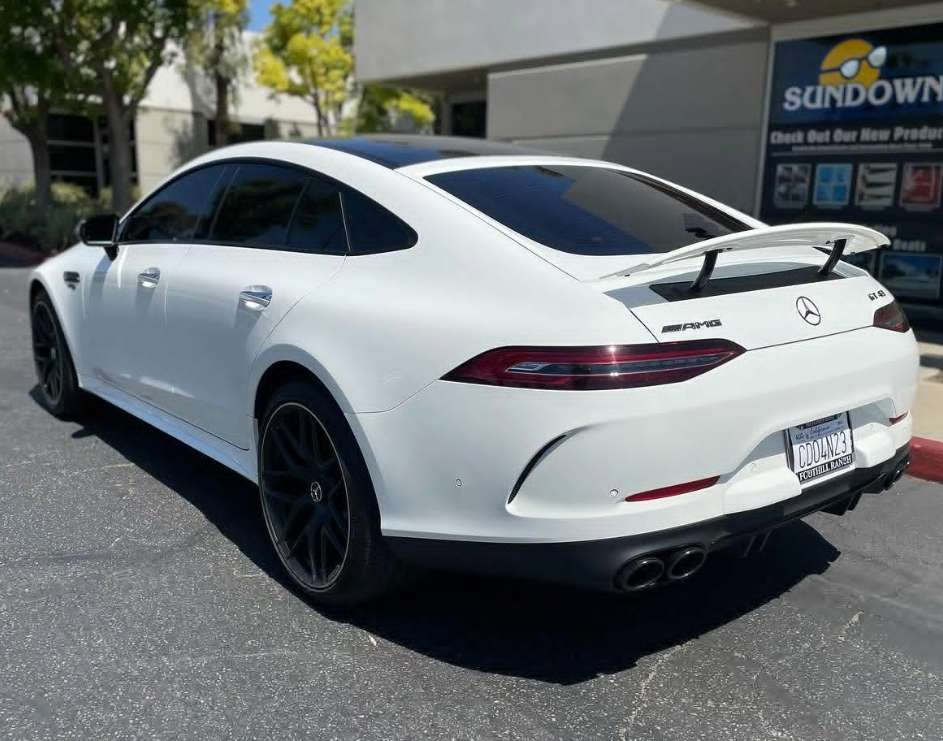
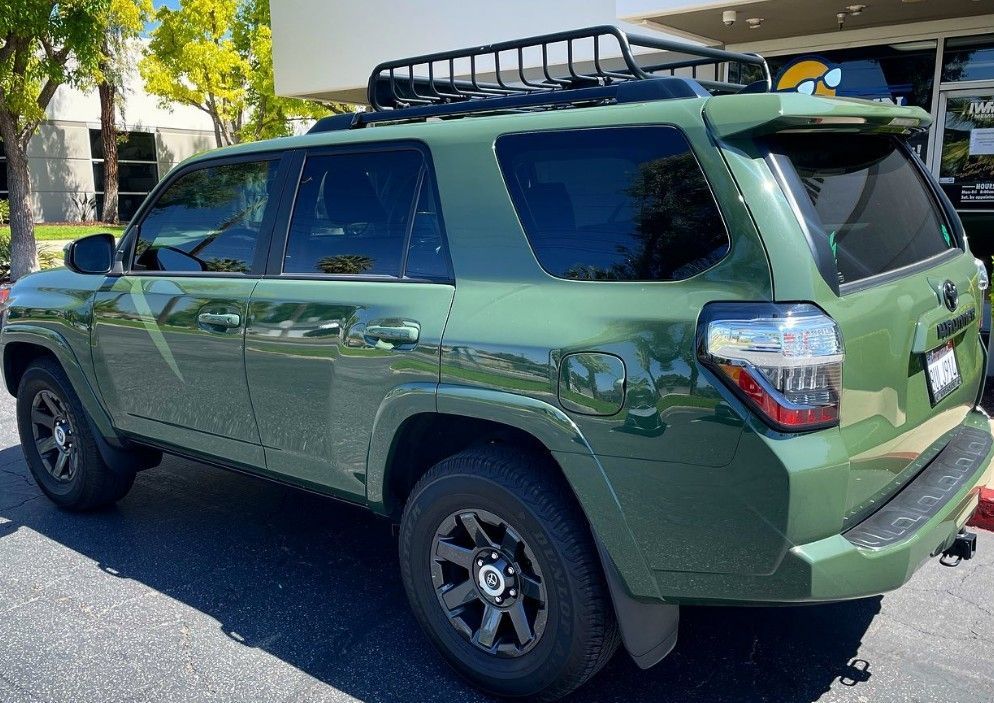
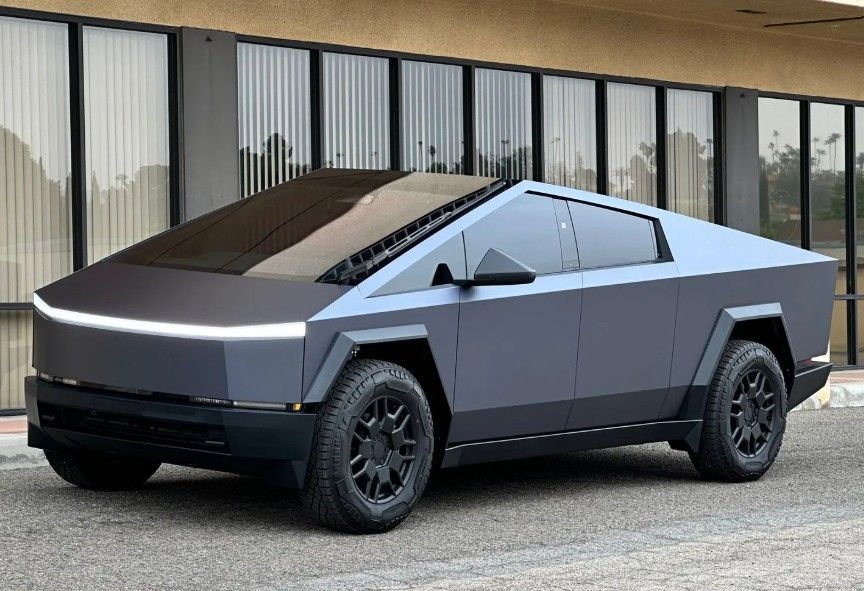
Matte and satin finishes have steadily become the preferred choice for car paint protection film, reshaping car aesthetics with their understated elegance. These finishes cleverly mask minor scratches and fingerprints, something glossy surfaces struggle to do. The trend is especially popular on luxury vehicles and high-performance sports cars where owners want to combine style with resilience.
Color-shifting films, often called chameleon wraps, are captivating a new generation of drivers. These films display dynamic hues that shift as natural light or viewing angle changes, creating a striking effect that turns heads effortlessly. They allow car owners to express individuality while still benefiting from durable, self-healing PPF properties. Unlike permanent paint jobs, this coverage is reversible, inviting experimentation without long-term commitment.
Sparkling crystal finishes and three-dimensional carbon fiber textures add another layer of sophistication. The crystal effect injects subtle glints under sunlight, while 3D carbon fiber mimics high-end racing materials, delivering a genuine high-tech look without structural modification.
For those considering these options, prioritizing film quality and professional installation remains critical. Brands like Neo PPF stand out by balancing an extensive selection of colors and finishes with cutting-edge durability. While priced higher than vinyl wraps or basic clear films, investing in premium colored PPF ensures longevity, saving money on repainting and repairs over time.
How Much Does Clear vs Colored PPF Cost?
Clear PPF generally comes with a lower price tag because its production is more straightforward. Colored PPF involves a more intricate manufacturing process that integrates pigments and special coatings, which naturally raises the cost.
However, colored PPF offers a compelling value proposition by merging two needs into one: protection and customization. Repainting a car or applying a vinyl wrap can run between $3,000 and $10,000 depending on complexity. Colored PPF achieves the same blend of preservation and style in a single installation priced roughly between $1,500 and $4,000, saving you thousands upfront.
From a resale standpoint, clear PPF often enhances your vehicle's market value by keeping the factory paint pristine. Colored PPF may appeal directly to buyers seeking standout styling but could slightly limit resale appeal due to individual color preferences. Still, this tradeoff can be well worth it if you value individuality combined with protection.
When budgeting, also factor in the professional precision required for a flawless application, especially for colored films with their tighter flex and edge-blending challenges. This investment in quality pays off in longevity and visual appeal over the years.
Clear vs Colored PPF Installation Differences
Installing paint protection film requires a careful balance of preparation, technique, and environmental control. Installers use specialized cleaners, often isopropyl alcohol solutions, to remove oils, waxes, and microscopic contaminants that would otherwise trap air bubbles or prevent proper adhesion.
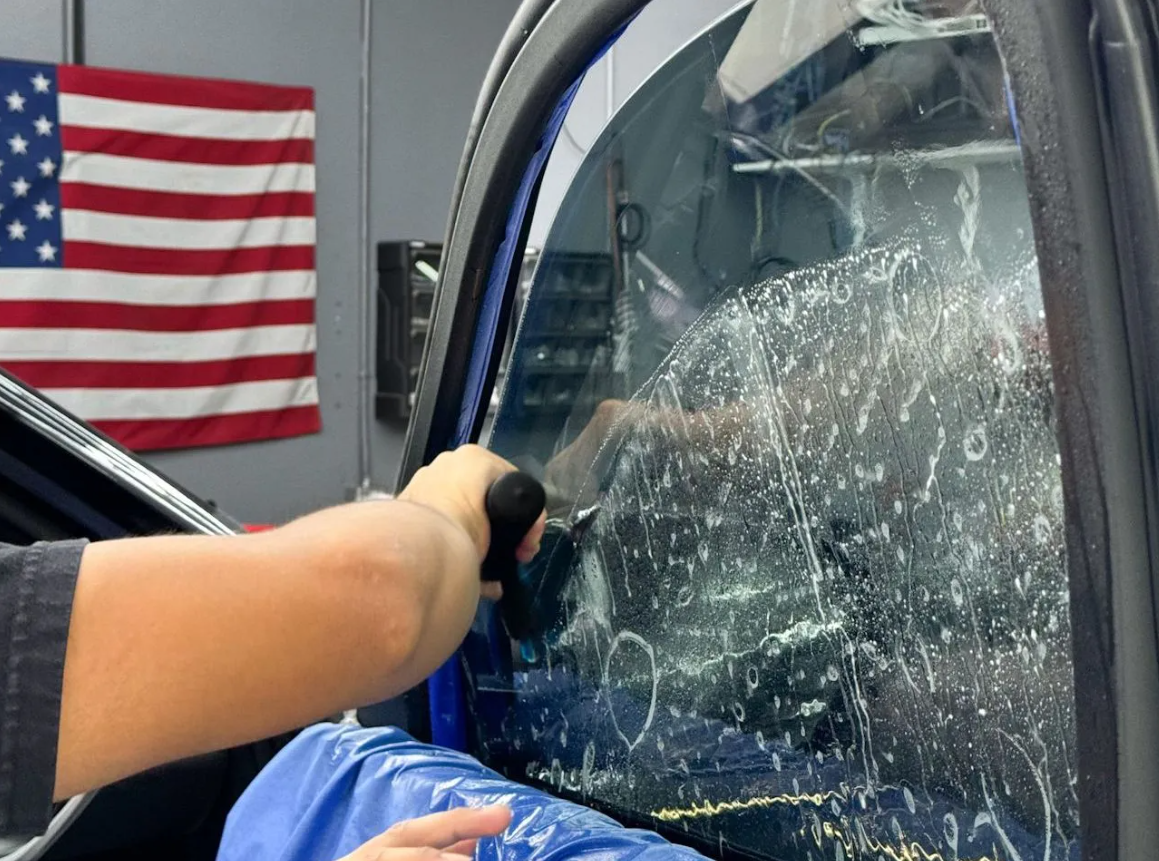
A slip solution is sprayed onto both the adhesive side of the PPF and the car's surface, allowing installers to carefully position, stretch, and align the film over complex curves without it bonding immediately. Professional installers use specially designed squeegees with felt edges to push out air bubbles and excess fluid, ensuring an ultra-smooth bond.
Colored PPF adds complexity because the vibrant pigments are less forgiving than clear films when errors occur. Stretching or misaligning the film can cause uneven color shifts or visible distortions that are not easily corrected without removing and reapplying sections.
After application comes curing, which requires 24 to 72 hours depending on conditions and film thickness. This phase solidifies adhesion strength and activates self-healing topcoats. Rushing use before sufficient curing can lead to premature peeling or compromised protection. Always prioritize professional application over DIY kits. Ideal installation conditions include a dust-free environment with controlled temperature and humidity.
Which PPF Option Is Right for You?
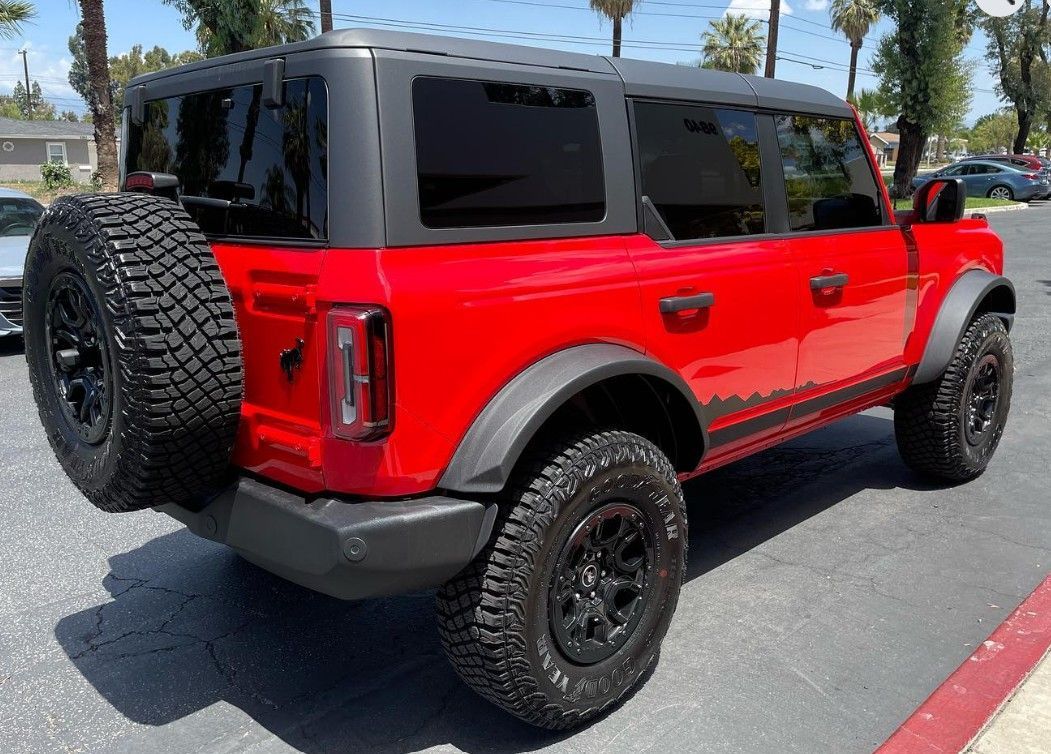
If you prize preserving the original factory finish and keeping it pristine through years of road use, clear PPF stands out as the preferred solution. These transparent films provide an invisible shield against scratches, UV rays, and environmental damage while maintaining that fresh-off-the-lot look that appeals strongly to resale buyers.
If you are drawn to making an impactful style statement without committing to permanent paint changes, colored PPF offers a fantastic middle ground. These films add vibrant or subtle hues with options ranging from matte and satin finishes to eye-catching tints, all while guarding against chips and scratches. Best of all, colored PPF is removable and reversible.
When selecting either film type, the quality of the product and the installer's skill cannot be overstated. Trusted brands like STEK have built their reputation by combining high-gloss clarity with films engineered for precise application and self-healing technology.
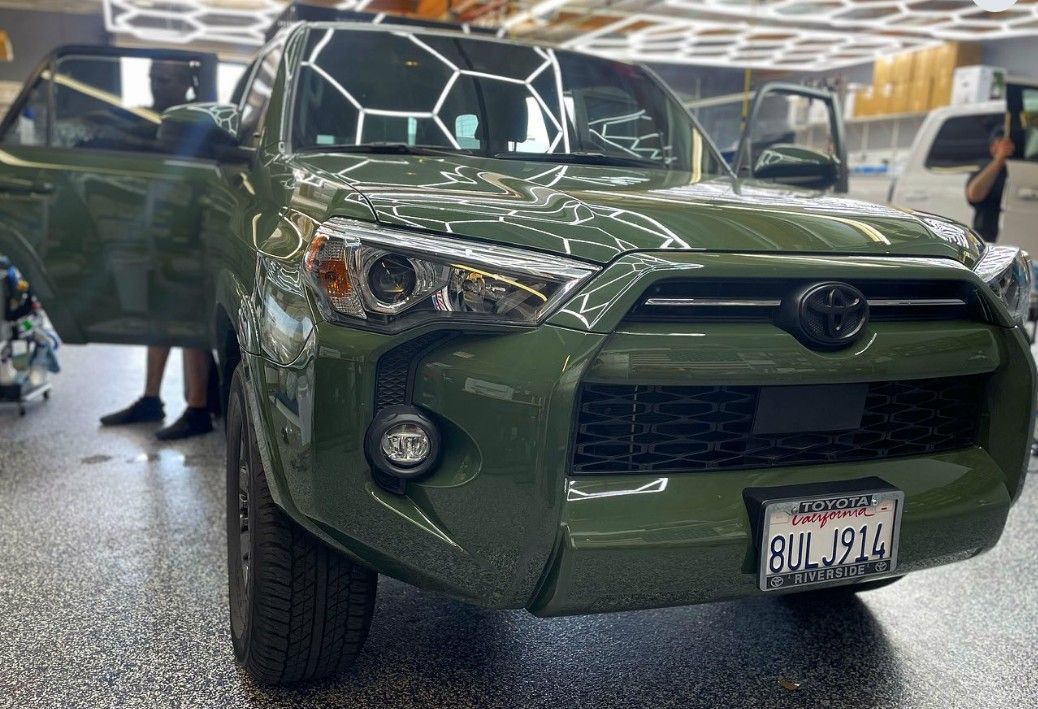
Partnering with experienced installers like the team at Sundown Window Tint ensures your investment delivers over time. We offer personalized consultations tailored to your vehicle model and usage patterns, advising on optimal film thickness ranging from 6 mil for everyday sedans to 12 mil for rugged off-road vehicles. Our installation facility is a controlled, dust-free environment, a critical factor in preserving flawless results.
Protect Your Car Today. Elevate Its Style.
Whether you want to preserve your factory paint with clear PPF or transform your vehicle with a bold colored finish, the right installation makes all the difference. At Sundown Window Tint, we combine decades of experience with precision techniques to deliver flawless, long-lasting results.
Get expert guidance tailored to your car, driving habits, and style goals.
Call us at 951-359-0850 or contact us online to schedule your consultation today to give your vehicle the protection and look it deserves.
FAQs on Clear PPF vs. Colored PPF
1. What is the main difference between clear PPF and colored PPF?
Clear PPF is designed to protect your car’s original paint while remaining nearly invisible. Colored PPF, on the other hand, adds both protection and a new color or finish, allowing you to customize your vehicle’s appearance without repainting.
2. Is colored PPF as protective as clear PPF?
Yes, both clear and colored PPF offer similar levels of protection against rock chips, scratches, and road debris. The main difference lies in appearance and slightly shorter lifespan for colored films.
3. How long does clear PPF vs colored PPF last?
Clear PPF typically lasts around 5 to 10 years, while colored PPF lasts about 4 to 8 years depending on exposure, maintenance, and installation quality.
4. Does colored PPF damage the original paint?
No, colored PPF actually protects the original paint underneath. When professionally installed and removed, it does not damage the factory finish.
5. Is colored PPF better than vinyl wrap?
Colored PPF is more durable and offers better protection than vinyl wraps. It also includes self-healing properties, which vinyl does not provide, making it a better long-term investment.
6. Which is better for resale value: clear or colored PPF?
Clear PPF is generally better for resale value because it preserves the original factory paint. Colored PPF may appeal to some buyers but can be more subjective.