sundown
Window Tint for SUVs vs. Sedans: Key Differences, Benefits, and Installation Guide
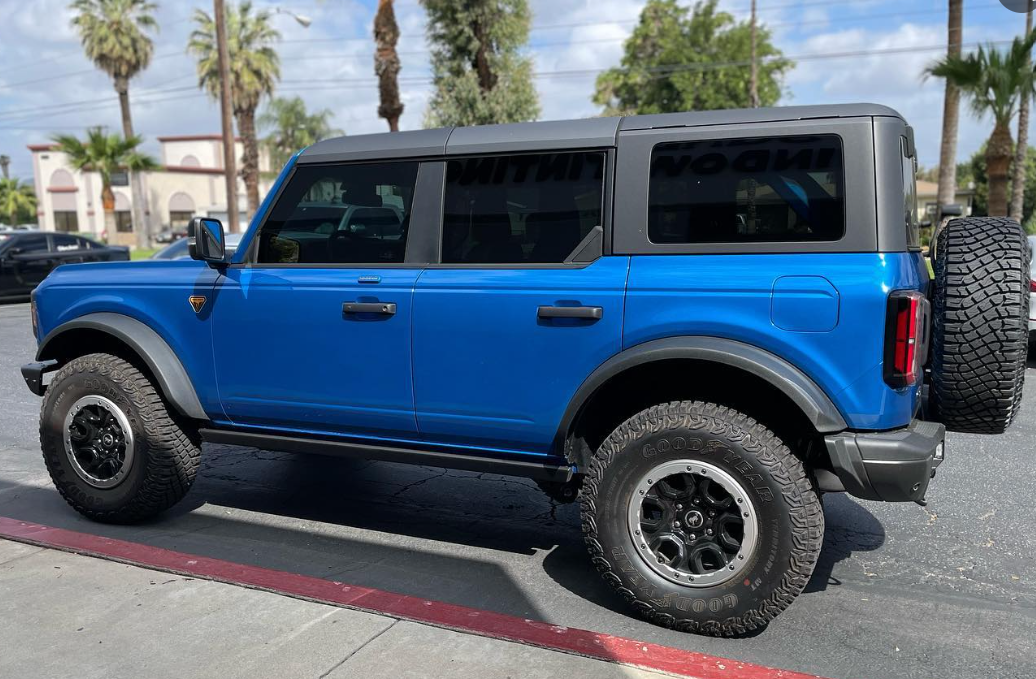
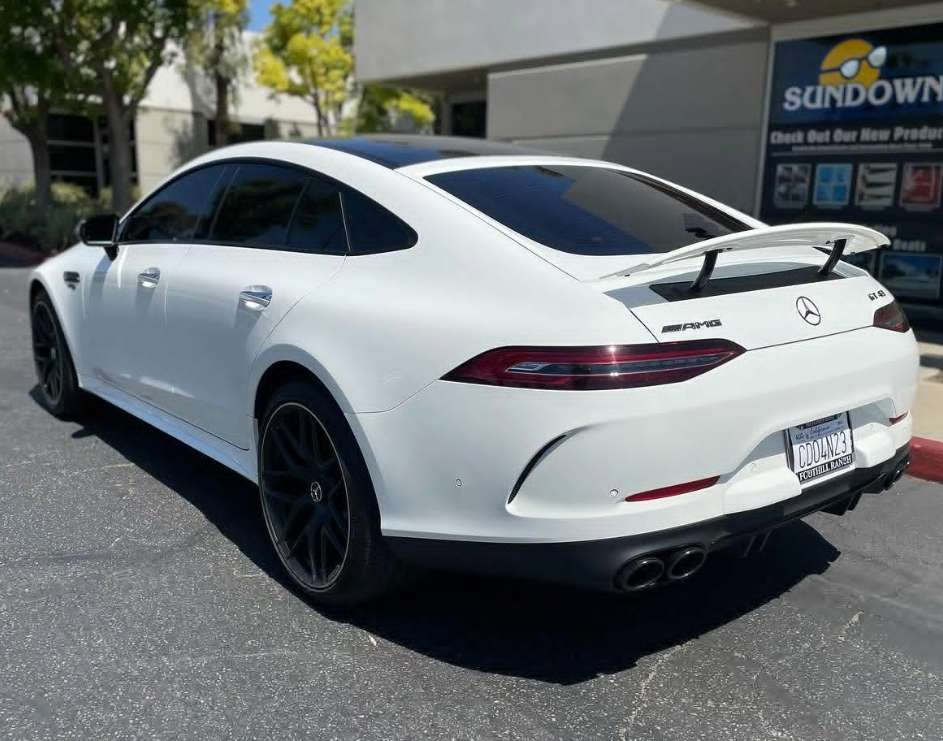
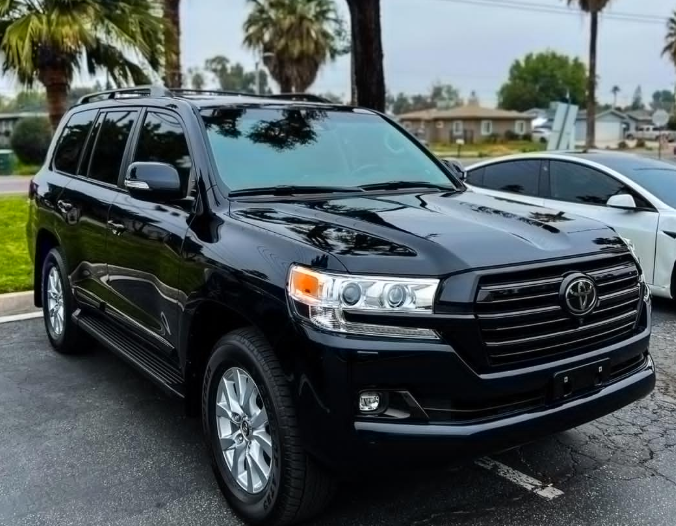
When it comes to auto window tinting, not all vehicles are created equal. Whether you drive an SUV or a sedan makes a real difference in which tint options work best for you, both legally and practically. SUVs often enjoy more flexibility with darker tints because of their size and classification, while sedans must follow stricter rules to keep everyone safe on the road. This guide walks you through the key differences, benefits, and tips for picking the right tint for your ride.
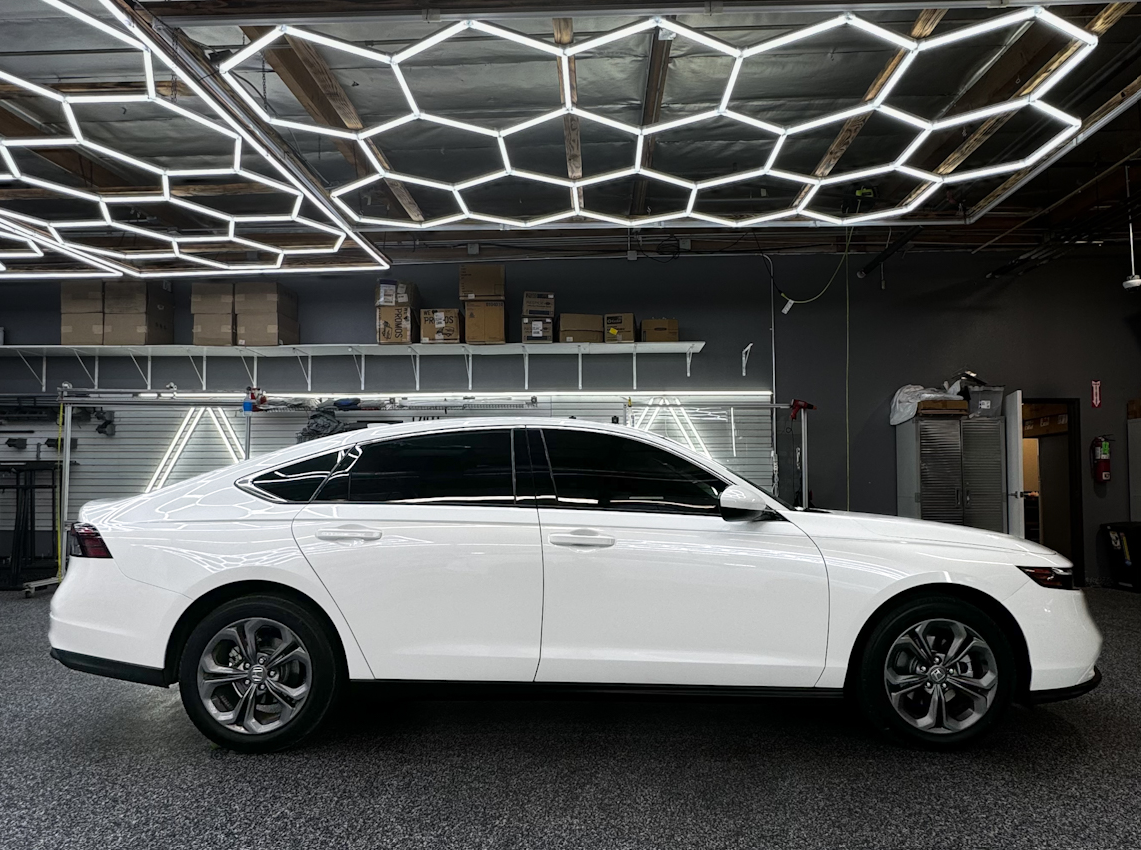
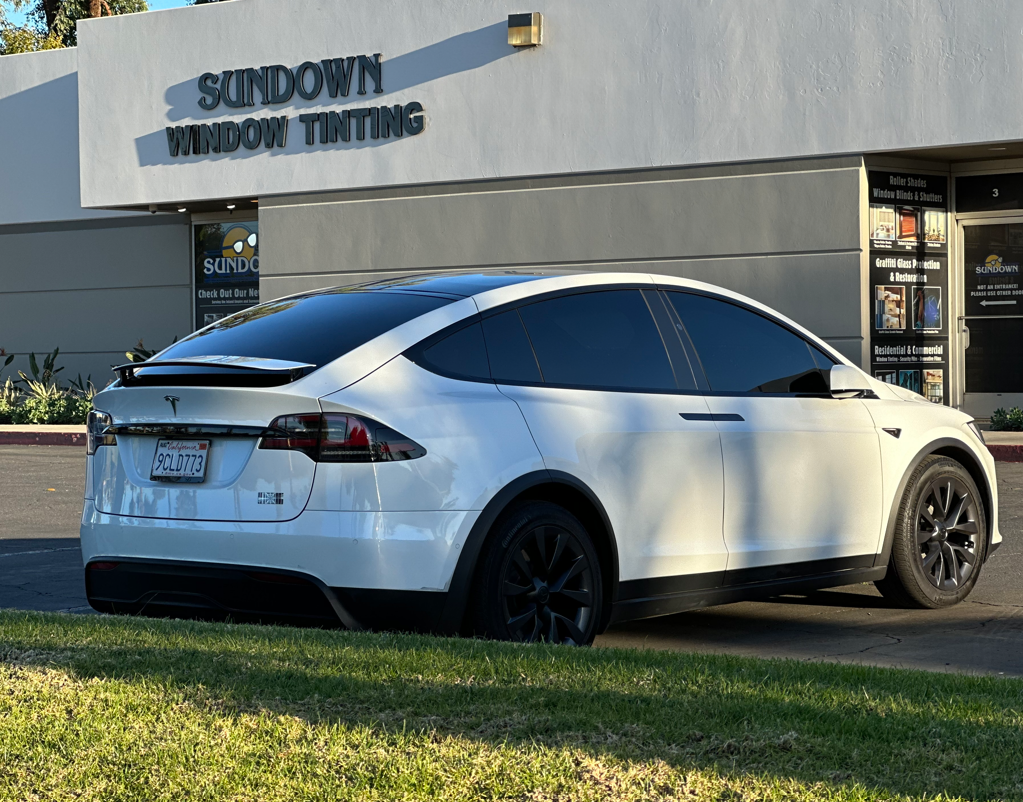
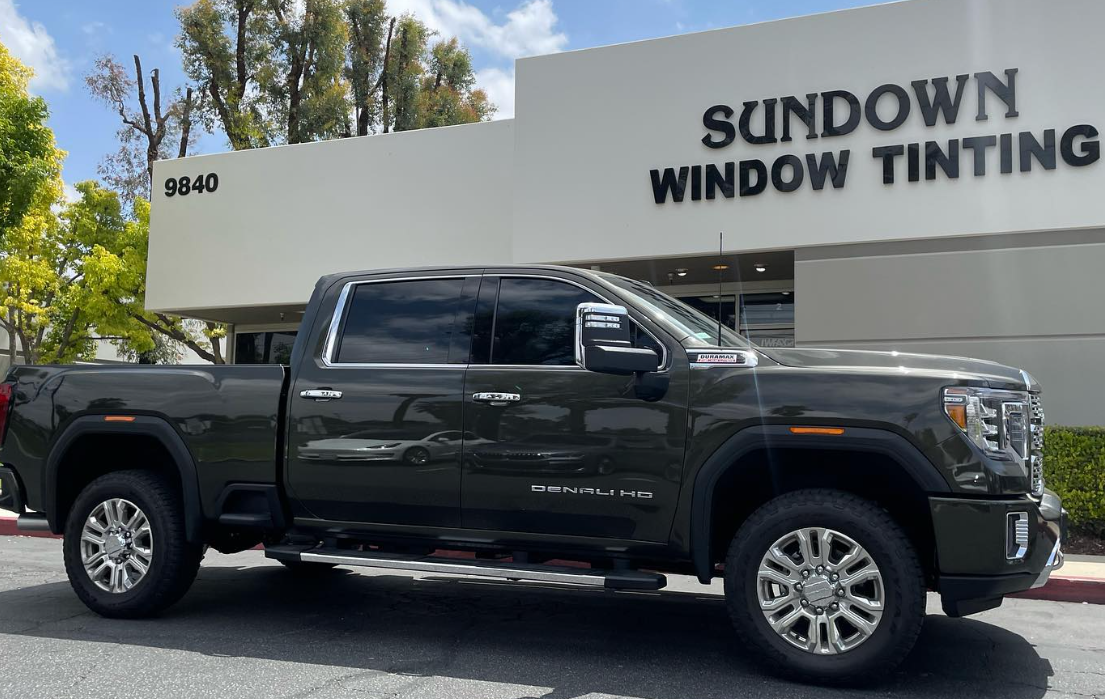
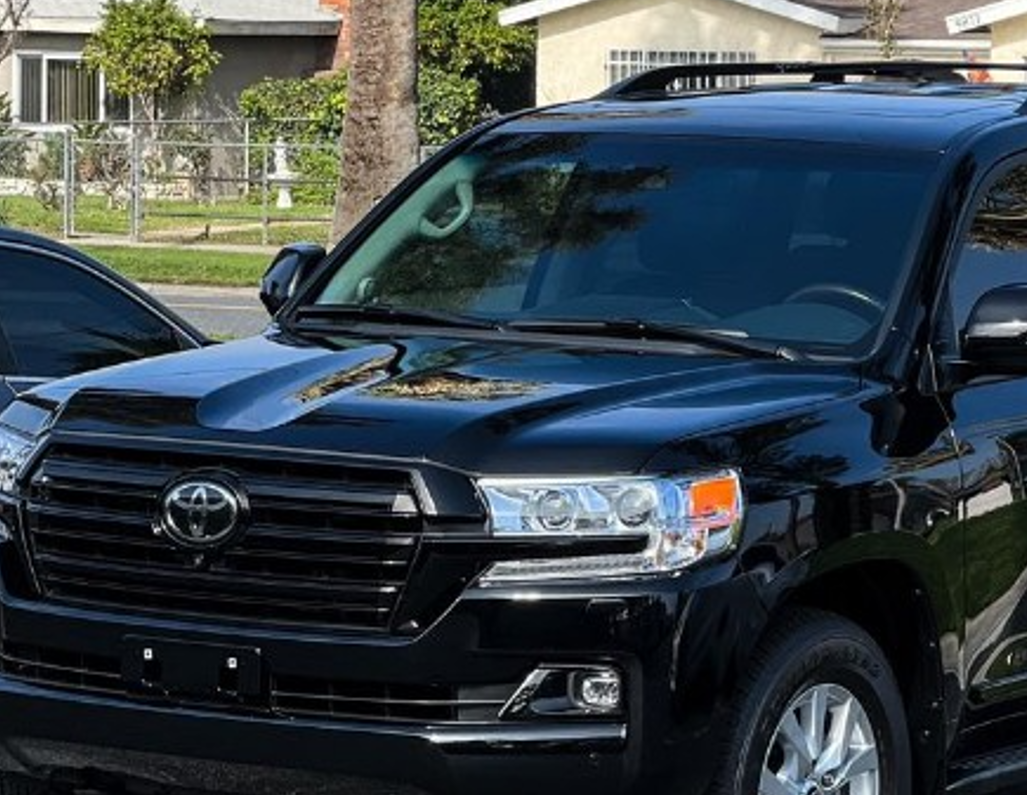
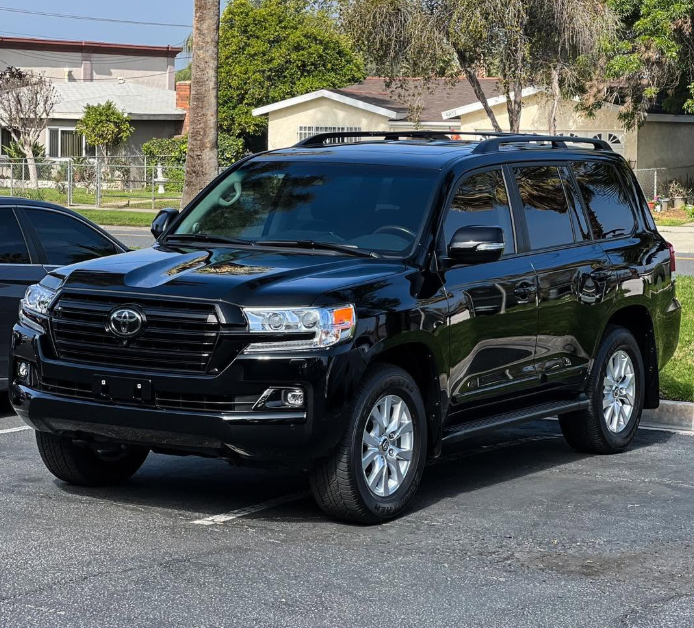
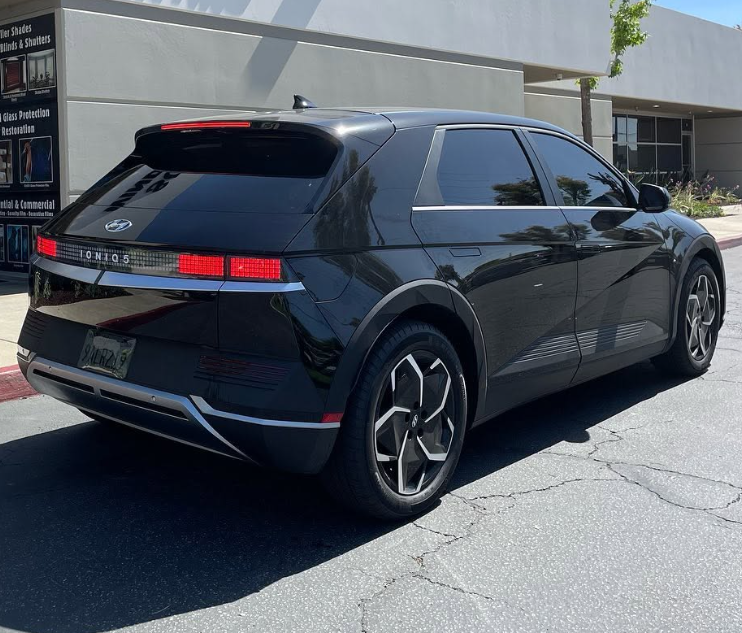
The key differences between window tint for SUVs and sedans come down to state laws and vehicle classifications. SUVs are often classified as "light trucks" and are typically permitted darker tints on rear windows than sedans. SUVs also benefit more from darker rear tints because of their larger cabin volume and open cargo areas, offering enhanced privacy and heat reduction. Sedans usually face stricter tint limits for safety and visibility reasons.
Comparing Window Tint for SUVs and Sedans
Many states allow SUVs to use much darker tints on their rear windows, sometimes as low as 20% visible light transmission (VLT), largely because of their classification by the National Highway Traffic Safety Administration as "light trucks." Sedans usually face stricter rules, with passenger windows required to maintain around 35% VLT or higher in many states. Lawmakers emphasize visibility since occupants sit lower and closer to window level, which ties back to safety during traffic stops and accident assessments.
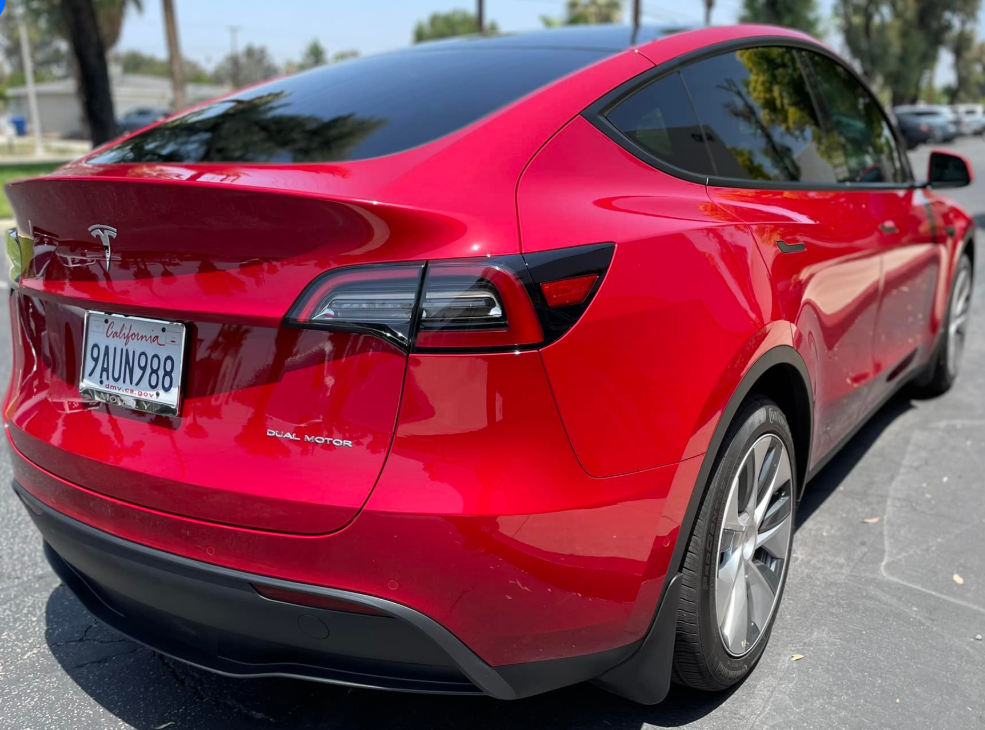
Vehicle design also profoundly affects tint choices. SUVs generally have larger window surface areas, somewhere between 25 and 30 square feet compared to a sedan's 15 to 20 square feet. Larger windows mean more sunlight streaming in, which makes darker tinting a practical choice beyond aesthetics. The darker rear windows shield cabin interiors from UV rays, reduce heat buildup, and provide privacy for items stored in the open cargo area.
Factory-installed tints reflect these differences as well. Nearly every SUV model includes privacy glass or darker factory tints on rear windows ranging from 18% to 30% VLT. Sedans rarely receive tinted glass beyond basic UV protection from the manufacturer, making aftermarket tint films more common for sedan owners.
| Feature | SUVs | Sedans |
|---|---|---|
| Legal Rear Window Tint VLT | As low as 20% | Usually not below 35% |
| Factory Privacy Glass | Common (18–30% VLT) | Rare |
| Average Window Area | 25–30 sq ft | 15–20 sq ft |
| Installation Time | 3–4 hours | 2–3 hours |
Because SUVs have larger cabin volumes exposed through bigger windows, high-quality ceramic window tinting films that can block up to 60% of infrared heat make a significant difference in keeping interiors comfortable. SUV rear windows also often feature curved surfaces or awkward shapes that add complexity during installation, while sedans generally have smaller, straighter windows but demand greater precision on rear quarter windows or sunroofs.
Material Differences in Tint
The choice of material has a profound impact on heat rejection, durability, aesthetics, and how the tint interacts with your vehicle's electronics.
Dyed window films are the most budget-friendly option, absorbing heat through a layer of dye. However, they tend to fade after a few years, especially under intense sun. Metalized film contains microscopic metal particles that reflect infrared heat far better than dyed films, but the metal content can interfere with GPS signals, mobile phone reception, and remote key fobs.
Carbon tint film uses carbon particles to absorb infrared radiation effectively while avoiding signal interference. With roughly 60 to 70% infrared rejection and 99% UV blocking, carbon films provide long-lasting clarity and robust solar heat protection. At the top of the range, nano ceramic film delivers superior heat rejection, blocking up to 90 to 95% of infrared heat, with no signal interference, excellent fade resistance, and improved scratch resistance.
SUVs typically have more glass surface area exposed to sunlight, so investing in higher-performing ceramic films delivers significant benefits. Sedans may find a strong balance with carbon or hybrid films that still offer solid UV protection paired with clean aesthetics.
How Much Does Window Tint Cost for SUVs vs Sedans?
SUVs typically have larger, more curved windows, which means more surface area to cover and greater precision during installation. This added complexity often raises the price compared to sedans with flatter, smaller windows.
| Vehicle Type | Dyed Film | Carbon Film | Ceramic Film |
|---|---|---|---|
| Sedan | $150–$180 | $220–$270 | $300–$380 |
| SUV | $200–$240 | $280–$350 | $400–$480 |
While the initial investment can feel steep, tint films do far more than add privacy. They protect your vehicle's interior from fading, reduce air conditioning costs, and reinforce glass safety in the event of an impact. Ceramic films block up to 99% of harmful UV rays and reduce heat by as much as 60%, lowering fuel consumption by reducing reliance on air conditioning.
Professional services like Sundown Window Tint thoroughly clean every window before applying tint to the inside surface, which protects it from environmental wear and extends durability. Paying more upfront for quality work helps you avoid the cost of a re-tint down the road.
SUV vs Sedan Tint Installation: Key Differences
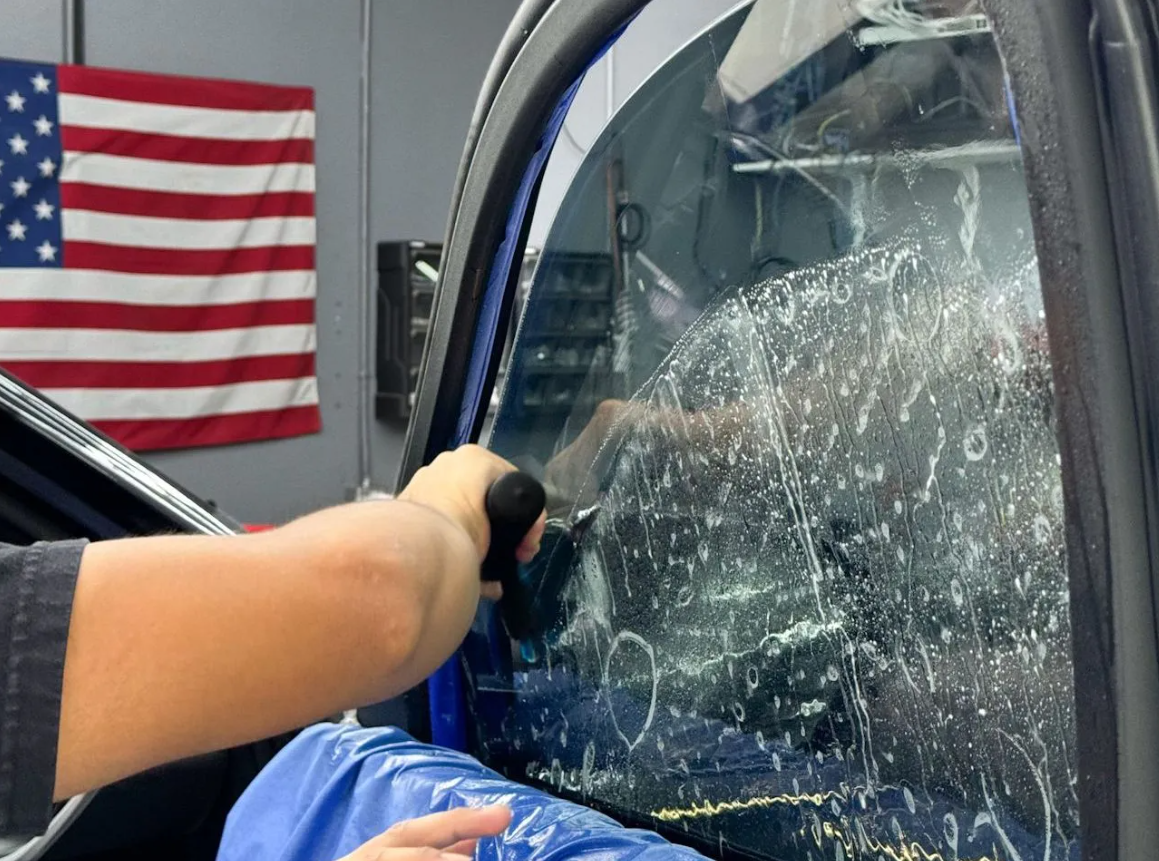
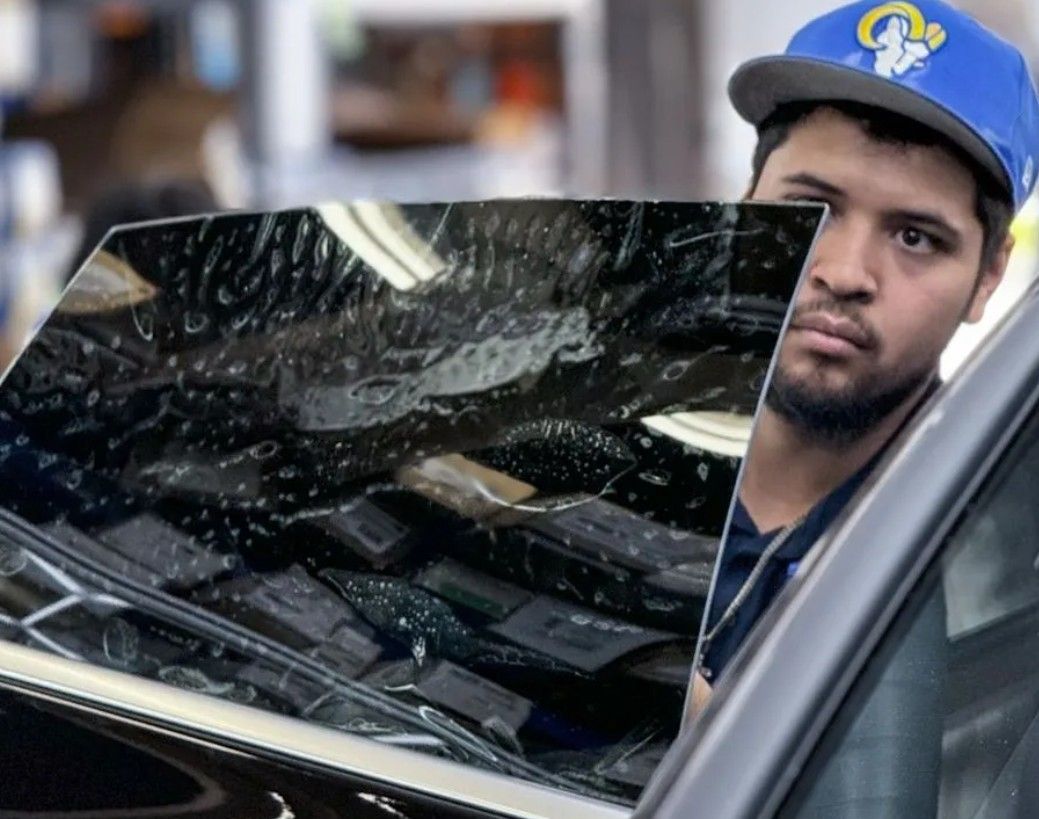
Proper installation begins with thorough preparation. Cleaning means removing every trace of dust, grease, and debris using a dedicated glass cleaner and lint-free microfiber cloths. Accurately measuring and cutting the tint film is where precision truly matters. Professional installers rely on digital measuring devices and custom templates to match each window's contours precisely.
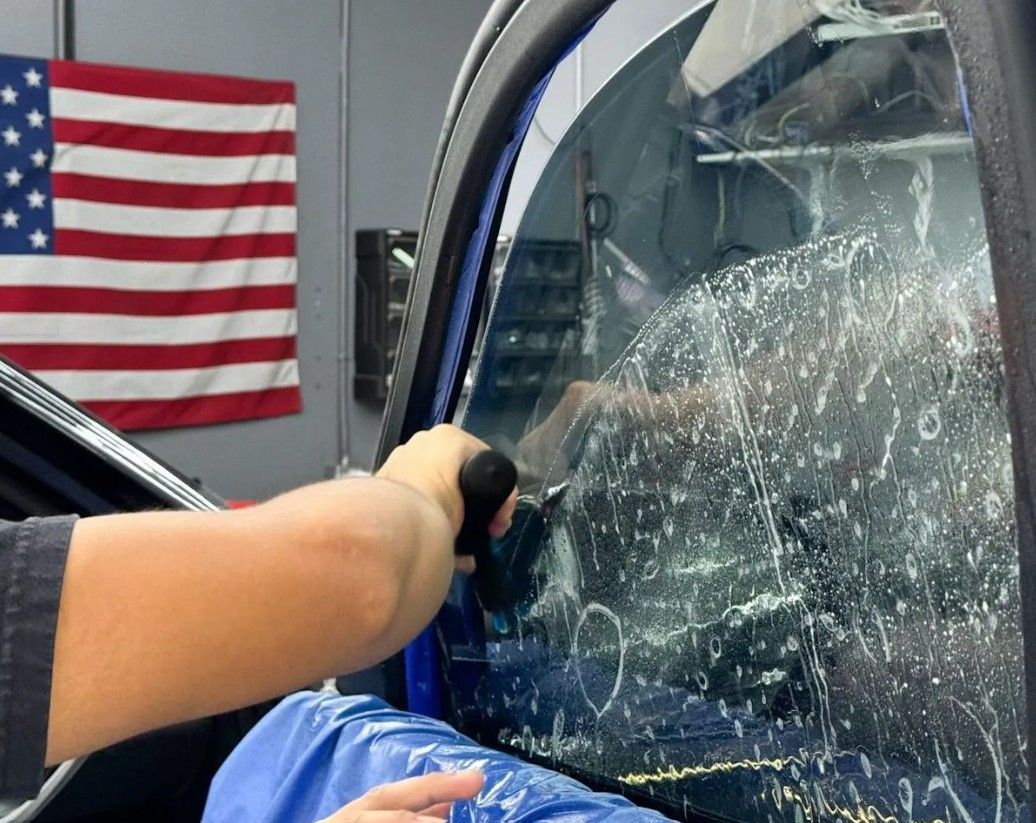
During application, spraying both the window surface and the adhesive side of the film with a soapy water solution allows positioning before it adheres. This slip phase gives room for adjustment and prevents permanent misalignment. Squeegeeing out excess water with firm, even pressure outward from the center ensures smooth contact while minimizing wrinkles. Trimming excess film meticulously along edges guarantees clean lines and prevents lifting at corners.
Professional installers emphasize working under clean, dust-free indoor conditions and in moderately warm temperatures to promote proper curing. At Sundown Window Tint, investing time in these meticulous steps delivers superior tint longevity and a flawless appearance for both SUVs and sedans.
Benefits of Window Tint for SUVs
Because SUVs have larger cabin volumes and expansive windows, they are more exposed to sunlight and heat accumulation. The right tint can reduce interior temperatures by 10 to 20 degrees on hot days, which also reduces strain on air conditioning and improves engine efficiency. Quality tints block up to 99% of harmful UV rays, shielding passengers and preserving interior materials from fading and cracking.
Privacy is another key benefit. Unlike sedans, SUVs have an open cargo area connected to the passenger space. Darkening rear windows keeps belongings out of sight, reducing theft risk. Glare reduction of up to 60% improves visibility and reduces fatigue during bright daylight drives, amplified in SUVs due to their elevated seating position.
| Benefit | Effect |
|---|---|
| Heat Rejection | Interior drops 10–20°F; reduces AC use |
| UV Protection | Blocks up to 99% of harmful rays |
| Privacy and Security | Obscures cargo area contents |
| Glare Reduction | Cuts glare by 40–60% |
Benefits of Window Tint for Sedans
Sedans gain significant advantages from window tinting beyond aesthetics. Quality ceramic or carbon films can reduce interior temperatures by up to 20°F, boosting comfort while reducing air conditioning demand and fuel consumption. High-quality tints block up to 99% of UV rays, protecting dashboard materials, upholstery, and other interior surfaces from fading and cracking.
Glare reduction of 40% to 60% eases eye strain during early morning or late afternoon drives. Tints with VLT levels between 30% and 50% provide effective visual shielding for privacy without compromising driver visibility, meeting strict California regulations while offering meaningful security to occupants.
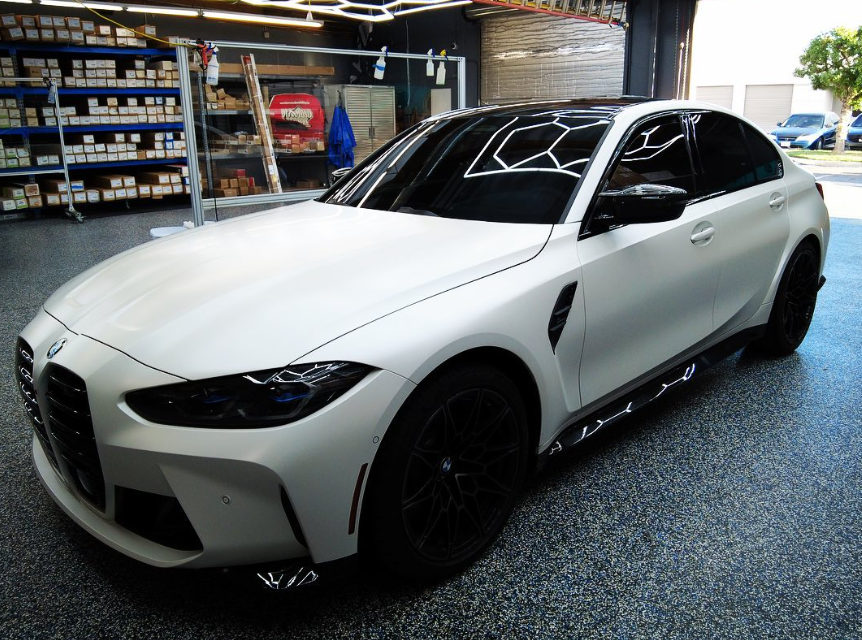
Sedan tinting films also enhance safety by holding shattered glass together during accidents. For sedan owners, following California's specific regulations is key, as front side windows must maintain at least 70% VLT. Professional installers at Sundown Window Tint ensure high-quality films are tailored to a sedan's unique glass shapes and regulatory constraints.
Get the Perfect Window Tint for Your SUV or Sedan
Choosing the right car window tint is not just about looks - it affects comfort, privacy, and long-term protection. Whether you drive an SUV or a sedan, our experts at Sundown Window Tint help you select the ideal film based on your vehicle type, local laws, and driving needs.
Call us at 951-359-0850 or contact us online to schedule your consultation today for a flawless, long-lasting tint installation.
FAQs Window Tint for SUVs vs. Sedans
1. What is the difference between SUV and sedan window tint laws?
SUVs are often classified as light trucks, which allows darker tint on rear windows. Sedans usually have stricter rules, especially for front side windows, to maintain driver visibility and safety.
2. Can SUVs have darker window tint than sedans?
Yes, SUVs can typically use darker tint on rear windows compared to sedans. This is due to different legal classifications and the need for added privacy in larger vehicles.
3. Which window tint is best for SUVs?
Ceramic window tint is often the best choice for SUVs because it provides superior heat rejection, UV protection, and performance across larger window areas.
4. Which window tint is best for sedans?
Carbon or ceramic tint works well for sedans, offering a balance of heat reduction, clarity, and compliance with stricter tint laws.
5. Does window tint reduce heat inside the car?
Yes, high-quality window tint can reduce interior temperatures by 10 to 20 degrees and block up to 99% of harmful UV rays.
6. How much does window tint cost for SUVs vs sedans?
SUVs usually cost more due to larger window areas and complex shapes. Sedans are generally more affordable because they have smaller and flatter windows.