sundown
PPF for New Cars vs Used Cars: When Should You Install It for Maximum Protection?
When you buy a car, whether new or used, you want it to look great for as long as possible. But the truth is, paint can get damaged fast from gravel, bugs, or even harsh sunlight. That's where Paint Protection Film, or PPF, comes in. It's like an invisible shield that guards your car's paint from everyday hazards. Deciding when to install PPF isn't always simple. Should you apply it right away on a new ride? Or wait until you spot some wear on a used car? We dug into what makes timing so important and why prepping your car's surface first can make all the difference.
The ideal time to install Paint Protection Film (PPF) on a new car is as soon as possible after purchase, preferably within the first 1,000 miles, to protect the pristine factory finish from chips, scratches, and contaminants. For used cars, PPF installation should be preceded by thorough paint correction and decontamination to ensure the surface is properly prepared, making it effective in preserving and enhancing the vehicle's appearance despite prior wear.
When Should You Install PPF on a New vs Used Car?
The best time to install Paint Protection Film depends on your vehicle’s condition:
- New car: Install PPF immediately or within the first 1,000 miles to protect the pristine factory paint before chips and scratches occur.
- Used car: Install PPF after professional paint correction and surface decontamination to ensure proper adhesion and optimal results.
- Best approach: Focus first on high-impact areas like the front bumper, hood edge, fenders, and side mirrors for maximum protection.
What Is Paint Protection Film (PPF)?
Paint Protection Film is a clear shield made from multiple layers of specially engineered polyurethane applied directly onto your car's painted surfaces. Think of it like a second skin for your vehicle: transparent yet tough, designed to take the brunt of daily hazards so your paint stays flawless beneath. This outer layer isn't just a passive barrier; it's built with self-healing properties that make small scratches disappear with exposure to heat from sunlight or warm water.
In Riverside and across the Inland Empire, your car’s paint faces constant threats from highway gravel, intense sun exposure, and airborne contaminants.: gravel chips, insect splatters, bird droppings, and dust particles. PPF absorbs much of the force from these impacts, preventing damage to the underlying paint that would otherwise cost hundreds or even thousands of dollars in repairs. Most PPF ranges between 6 and 8 mils thick (about 0.15 to 0.20 millimeters), providing robust protection without altering the look or feel of your car's surface. Beyond physical defense, many modern films block up to 99% of UV rays, shielding your paint from fading and oxidation.
From experience at SunDown Window Tint, we recommend PPF installation right after purchase of a new car before any visible wear begins to form. While ceramic coatings add glossy depth and chemical resilience, they don't prevent physical chips and scratches as effectively as PPF can. Once applied correctly by professionals who meticulously prep the surface, PPF can extend your vehicle's showroom-new look for years.
Advantages of PPF for New Cars
One of the biggest benefits of installing PPF on a new car is how effectively it preserves that fresh-from-the-factory finish. The paint on a brand-new vehicle remains vulnerable to small chips from road debris, abrasive dust, and careless car washes that can dull the finish within weeks. By applying PPF early, ideally within the first 1,000 miles, you create an invisible shield that absorbs impacts and resists scratches better than bare paint alone.
This preservation serves a practical purpose: maintaining resale value. Data from automotive market analysts consistently shows that cars fitted with PPF retain up to 15% more resale value compared to unprotected vehicles, mainly by preventing swirl marks and chips that demand costly repairs or repainting.
Another practical advantage is reduced cleaning effort. Because PPF films are engineered to repel dirt, water spots, and minor stains, routine washing takes less time. This keeps your car looking immaculate while minimizing wear from aggressive scrubbing or harsh chemicals that accelerate paint aging.
There's also a psychological benefit. Many new-car owners take great pride in appearance and want every inch of their vehicle to reflect meticulous care. Knowing your car is outfitted with high-quality protective film brings peace of mind and lets you enjoy driving without constantly worrying about scratches or chips.
Benefits of PPF for Used Cars
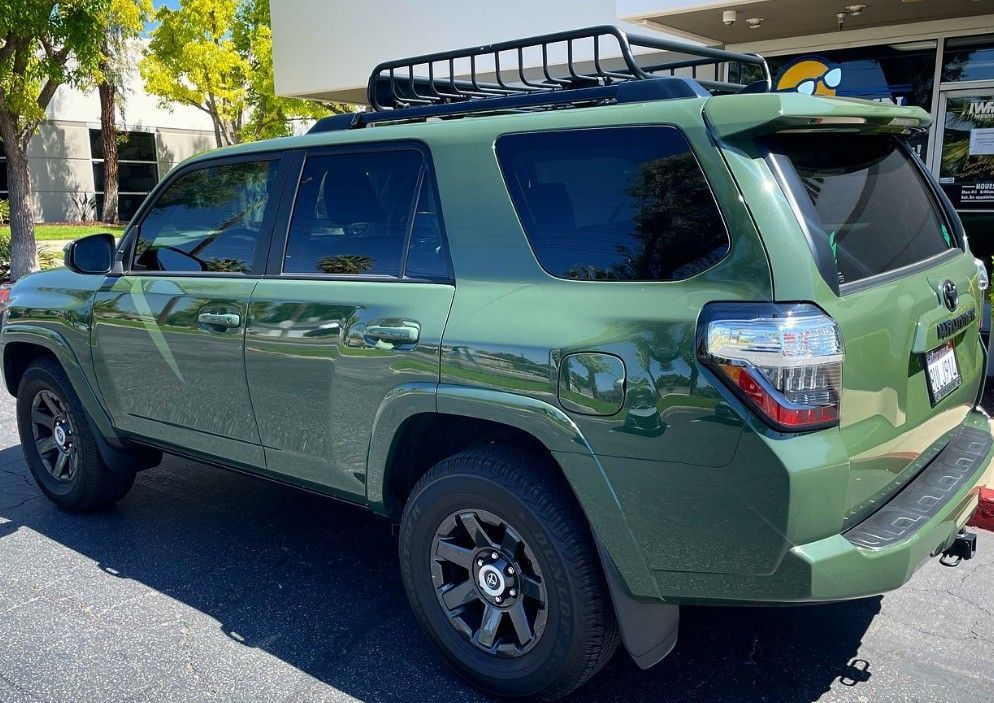
Used cars often show signs of wear that make their paint vulnerable to further damage. Applying PPF at this stage does more than just add a barrier; it preserves what's left of the original paint and can even improve the vehicle's overall look.
A significant advantage of PPF on a used car is its ability to mask minor imperfections such as swirl marks and light scratches. These blemishes reflect light unevenly and dull the car's surface. When a quality clear film overlays these areas, it smooths out visual inconsistencies and adds a glossy, "like-new" sheen without repainting.
Data supports this: studies have shown that cars with PPF experience up to 40% fewer paint touch-ups annually, and the rate of paint degradation slows significantly compared to unprotected counterparts. This translates into lower maintenance costs and fewer visits to detailers or body shops.
However, PPF on used cars works best when the paint is still in reasonably good shape. Applying film over seriously damaged or oxidized paint may not yield the same results and might require professional paint correction beforehand, a step worth considering for optimal results.
Is PPF Worth It on an Older Used Car?
Yes, but it depends on the current condition of your paint.
- Paint condition matters: If the paint is heavily oxidized or peeling, correction or repainting may be needed before installation.
- Partial coverage is still valuable: Protecting high-impact areas like the front bumper, hood edge, and mirrors can prevent further damage without the cost of full-body coverage.
- Prevents further deterioration: Even on older vehicles, PPF stops additional rock chips, fading, and surface wear.
- Cheaper than repainting: Quality repainting can cost significantly more than targeted PPF protection.
For many older vehicles in Riverside’s high-sun environment, installing PPF is a smart way to preserve remaining paint life without investing in a full repaint.
| Consideration | Benefit of PPF Application |
|---|---|
| Protects against chips | Shields weakened paint from further rock chips and abrasions |
| Enhances appearance | Masks minor swirls and scratches, boosting shine |
| Cost-effectiveness | Limits need for repainting or frequent touch-ups |
| Resale value preservation | Maintains paint condition, which can increase resale price |
According to recent market analyses, used cars with professionally installed PPF tend to retain up to 15% higher resale prices than similar models without protection. For those on tighter budgets, alternative strategies include ceramic coatings or regular waxing combined with paint correction, though these don't offer the chip-resistant toughness of PPF.
Cost Comparison: New vs. Used Cars
For brand new cars, professionals typically quote $1,500 to $5,000 based on coverage level. Partial front protection sits at the lower end, while full-body wraps run higher. This price covers expert labor, surface preparation, and sometimes minor paint correction to ensure a bubble-free finish.
Used cars present a different picture. While base PPF installation charges are similar, the real question becomes value versus expense. If your used vehicle has scratches or faded spots, applying PPF without addressing these blemishes first can diminish its benefits. Paint correction can add several hundred to thousands of dollars depending on damage severity.
| Factor | New Cars | Used Cars |
|---|---|---|
| Base PPF Installation Cost | $1,500 - $5,000 | $1,500 - $5,000 |
| Additional Paint Prep | Usually minimal | Often required (paint correction) |
| Value Justification | High (protects pristine paint) | Depends on condition and remaining lifespan |
| Risk of Visible Flaws Under Film | Low | Higher due to existing wear |
| Typical Recommended Coverage | Full front or full body | Targeted high-impact zones |
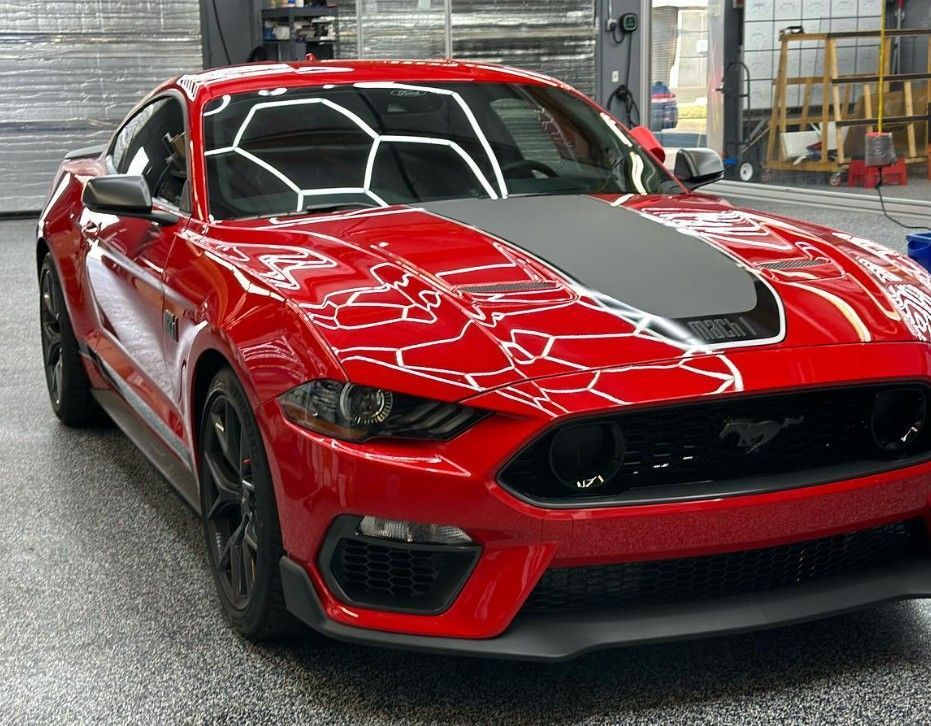
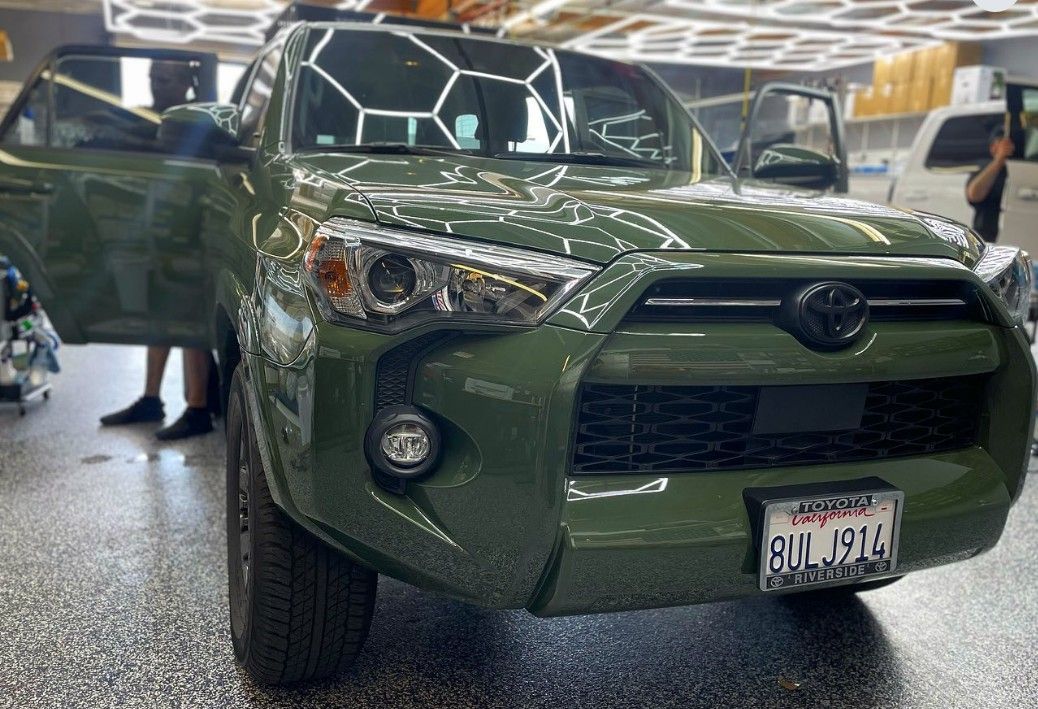
For used cars, focusing PPF on "strike zones" such as the front bumper, hood's leading edge, and side mirrors is often more budget-friendly than full coverage. Whether new or used, consulting an experienced installer like SunDown Window Tint ensures you receive customized recommendations based on an honest evaluation of your vehicle's paint health.
Professional Installation vs. DIY
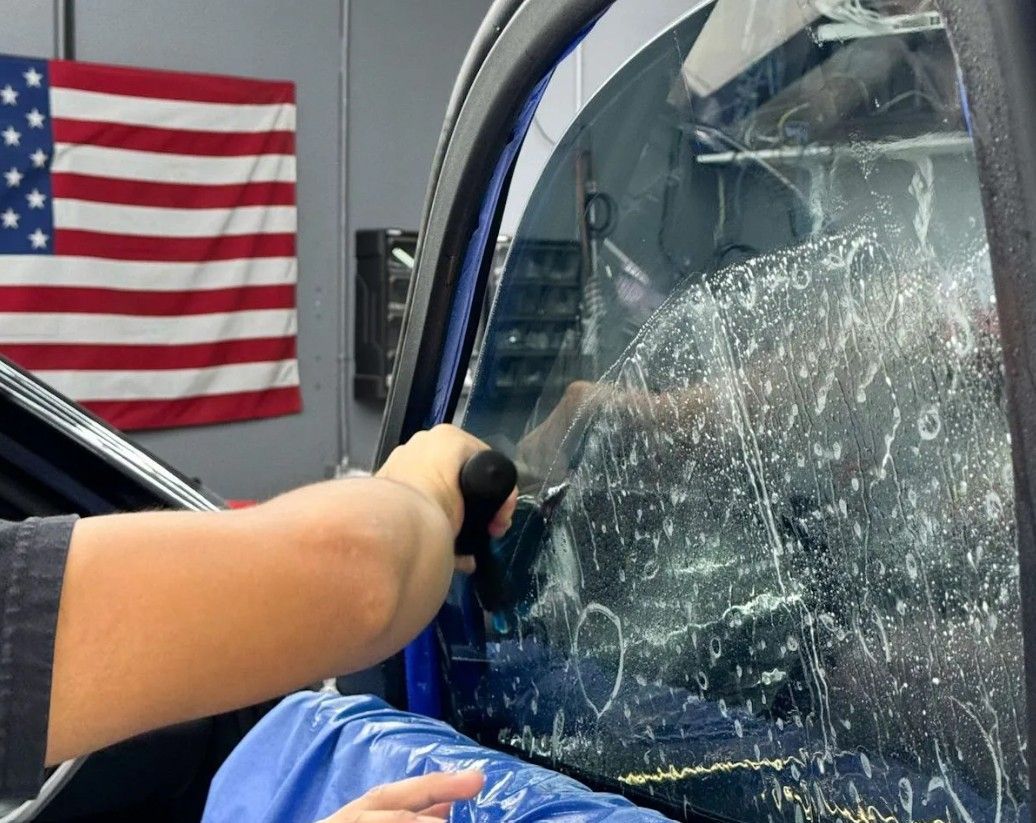
Professional installation means precision, expertise, and peace of mind. Trained technicians use specialized tools and controlled environments to ensure the film fits every curve flawlessly, resulting in fewer bubbles, no wrinkles, and perfectly sealed edges. Many professionals back their work with warranties covering peeling or premature wear, something you won't get with a DIY job.
The DIY route may seem tempting due to lower cost, but the learning curve is steep. Common pitfalls include trapped air bubbles, misaligned edges that catch debris, and difficulty stretching film over complex contours. For used cars with existing paint damage, professional prep work becomes even more essential.
As part of SunDown Window Tint's commitment to premium service, we recommend regular gentle washes combined with careful inspection for any lifting or bubbling, a nuance professionals can spot early before it becomes costly. If your goal is optimal protection with guaranteed results, professional installation is the superior choice.
How to Maintain Your PPF
PPF maintenance isn't complicated, but it is essential for lasting performance. Key practices include:
- Hand wash with pH-balanced soap and microfiber every one to two weeks.
- Avoid automated brush car washes entirely; opt for touchless or hand washes.
- Dry using a high-quality microfiber towel (300 to 400 GSM).
- Inspect monthly for signs of lifting, bubbles, or edge curling.
- Apply a dedicated PPF sealant semi-annually for enhanced protection.
- Park in covered areas when possible to minimize UV and environmental damage.
Minor scratches often vanish on their own thanks to heat-activated self-healing properties. But any sizable lift, tear, or embedded dirt should be addressed immediately by a professional installer to prevent permanent discoloration.
Long-Term Effects of PPF
Modern PPF is designed to last up to a decade when maintained correctly. This longevity results from advanced materials science combining durability with self-healing technology. Tiny scratches and swirl marks vanish over time as the film repairs itself with heat exposure.
For new cars, installing PPF early prevents the first wave of damage that can become permanent. On used cars, PPF arrests further deterioration and preserves existing paint. Studies confirm that buyers heavily favor vehicles with intact PPF when reselling, boosting resale values by thousands because prospective owners appreciate the preserved finish and reduced risk of costly paint repairs.
Whether your car gleams from the showroom or carries a few miles but still deserves protection, PPF is a smart long-term strategy to keep it looking new while adding real value.
Protect Your Vehicle with Expert PPF Installation in Riverside
Whether your car is brand new or already showing signs of wear, installing Paint Protection Film at the right time can make a significant difference in preserving paint quality, reducing maintenance costs, and protecting resale value. Professional installation ensures proper surface preparation, precise film placement, and long-lasting results that DIY methods simply cannot match.
At SunDown Window Tint, experienced installers evaluate your vehicle’s paint condition and recommend the most effective coverage, from targeted high-impact protection to full-body wraps. Using premium film and precision techniques, the team helps Riverside drivers safeguard their investment against rock chips, UV damage, and everyday wear.
Call us at 951-359-0850 today to schedule your consultation or request a free quote to get personalized PPF recommendations and keep your car looking newer for longer.
FAQs on PPF for New Cars vs Used Cars
1. When is the best time to install PPF on a new car?
The best time to install PPF on a new car is immediately after purchase or within the first 1,000 miles. Early installation protects the factory paint before rock chips, swirl marks, or UV damage occur.
2. Is it too late to install PPF on a used car?
No. PPF can still protect a used vehicle, but the paint should be professionally cleaned and corrected first. Proper surface preparation ensures strong adhesion and better visual results.
3. Does PPF increase resale value?
Yes. Vehicles with protected factory paint often sell faster and retain higher resale value because buyers prefer cars with minimal chips, scratches, and fading.
4. Should I install full-body PPF or just partial coverage?
It depends on your driving habits and budget. Many Riverside drivers choose front-end or high-impact zone protection first, since those areas experience the most damage from highway debris.
5. How long does Paint Protection Film last?
High-quality PPF typically lasts 5 to 10 years when professionally installed and properly maintained.
6. Does PPF protect against Riverside sun damage?
Yes. Premium PPF blocks up to 99% of harmful UV rays, helping prevent paint fading and oxidation caused by Southern California sun exposure.
7. Is paint correction required before installing PPF on a used car?
In most cases, yes. Paint correction removes swirl marks and minor imperfections so they are not sealed underneath the film.
8. Can PPF be removed later?
Yes. When installed and removed by professionals, PPF can be safely removed without damaging the original factory paint.
9. Is PPF better than ceramic coating?
PPF protects against physical rock chips and scratches, while ceramic coating mainly enhances gloss and repels water and dirt. Many car owners combine both for maximum protection.
10. How much does PPF cost in Riverside, CA?
Pricing varies depending on vehicle size and coverage. Partial front packages typically cost less than full-body wraps. A professional inspection provides the most accurate quote.