sundown
Ceramic Window Tint for EVs: Why Electric Vehicle Owners Prefer It for Energy Efficiency
When it comes to electric vehicles, saving energy isn't just about the motor or battery. It's also about managing heat inside the car. You might not realize it, but the type of window tint you choose can make a big difference in how efficiently your EV runs. Ceramic window tinting has become popular among electric vehicle owners because it keeps the cabin cooler while letting all the car's technology work without a hitch. In this article, we'll explore why ceramic tints are more than just a stylish choice. They're a smart upgrade for boosting energy efficiency and comfort in your EV.
Why Do EV Owners Choose Ceramic Window Tint?
Electric vehicle owners prefer ceramic window tint because it delivers performance benefits that support both comfort and efficiency:
- Reduces cabin heat and supports battery efficiency by lowering the workload on climate control systems
- Does not interfere with sensors, GPS, or wireless signals, making it ideal for technology-heavy EVs
- Blocks harmful UV rays and protects interior materials from fading and damage
- Improves comfort and driving visibility by reducing glare and stabilizing cabin temperatures
Following these advantages, ceramic window tint has become one of the most recommended upgrades for electric vehicles. Its ability to reject heat without disrupting electronic signals makes it ideal for EVs packed with sensors and wireless systems. Beyond efficiency benefits, ceramic tint also enhances UV protection, privacy, and overall driving comfort while preserving clear visibility and safety.
Ceramic Window Tint for EVs
Ceramic window tints stand apart from conventional films thanks to their unique composition: microscopic ceramic particles embedded in the film that reject heat without blocking radio frequencies. This means your EV's wireless systems, from Bluetooth to GPS and keyless entry, continue working flawlessly while you enjoy the benefits of tinted windows. It's a crucial advantage because interference from metallic or dyed tints can cause frustrating signal drops or delays in modern EVs equipped with complex electronics.
Beyond signal clarity, the heat rejection properties of ceramic films are particularly valuable for electric vehicles. Since EVs depend on battery efficiency, managing cabin temperature directly impacts range and performance. By reducing solar heat gain through windows, ceramic tints help keep the interior cooler, which lowers the energy needed to run air conditioning systems. This subtle but continuous saving can add meaningful miles to your drive over time.
Ceramic tint also offers impressive durability. Where traditional dyed films might discolor or bubble under prolonged sun exposure, ceramic window tint maintains its clarity and structural integrity for years. This longevity means you won't face replacement costs any time soon, making ceramic tint a smart investment over the lifespan of your vehicle.
It's also worth noting that ceramic tints contribute to UV protection for both passengers and interior materials, preserving your car's interior and protecting those inside from harmful radiation.
Advantages Over Traditional Window Tints
Ceramic window tints boast a remarkable combination of durability and clarity that many older films simply can't match. While traditional tinted films often degrade quickly, showing unsightly bubbling or fading within just a few years, ceramic tints maintain their pristine appearance and optical quality far longer. The International Window Film Association's findings that ceramic tints last about 20% longer than dyed alternatives highlight this advantage in measurable terms.
One of the standout features of ceramic window tinting lies in its superior ability to block infrared radiation without compromising visible light transmission. Unlike traditional metallic tints that reflect heat but often reduce visibility or interfere with electronic signals, ceramic tints excel at keeping your car cool while maintaining crystal-clear views.
Because ceramic films are non-metallic, they avoid signal disruption entirely. Electric vehicles rely heavily on GPS navigation, cellular connectivity, and wireless communications for charging stations and smart dashboard functions. A ceramic tint ensures these systems work flawlessly by allowing signals to pass through without interference. This is something traditional metal-based films cannot guarantee.
For EV owners conscious about preserving battery life and maintaining onboard tech efficiency, choosing ceramic window tint is more than an aesthetic upgrade. It's a practical enhancement tailored for today's connected, energy-conscious vehicles.
Energy Efficiency Benefits
Ceramic window tint plays a crucial role in optimizing how your EV uses its limited energy. Unlike traditional tints that mainly block visible light, ceramic tints are engineered to significantly reduce solar heat gain without compromising visibility. This means the cabin stays cooler When parked under Riverside’s intense Southern California sun or driving on a hot day, allowing your EV's climate control system to consume less power.
Since EVs rely entirely on their battery packs for all functions, including cooling and heating, this reduced load directly translates into longer driving range and less frequent charging sessions. Without an efficient barrier like ceramic tint, your vehicle's HVAC system could be working overtime, draining precious battery life much earlier than necessary.
The science behind this energy savings lies in the ceramic particles embedded within the film. These particles reflect and absorb infrared radiation, the invisible part of sunlight responsible for most of the heat we feel, rather than simply darkening the glass. A study conducted by the U.S. Department of Energy highlights that high-quality window tinting can reduce interior temperatures by as much as 45%, leading to a decrease in energy consumption between 10 and 15% under average conditions.
Pairing ceramic window tint with other energy-saving strategies, like pre-conditioning your vehicle while still plugged in, can optimize your overall efficiency. The tint reduces cabin heat buildup, meaning pre-conditioning requires less power from the grid and maximizes battery preservation once you're on the road.
Does Window Tint Affect EV Sensors or Autopilot?
Many electric vehicle owners worry that window tint could interfere with advanced driver assistance systems or wireless connectivity. However, ceramic window tint is specifically designed to avoid these issues.
- Ceramic tint is non-metallic, allowing signals to pass through without disruption
- No interference with ADAS, GPS, Bluetooth, or keyless entry, ensuring full functionality of onboard technology
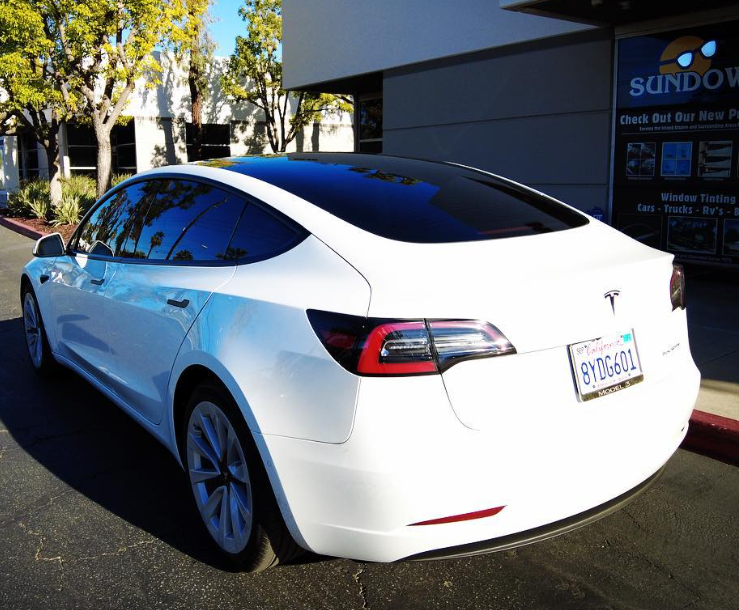
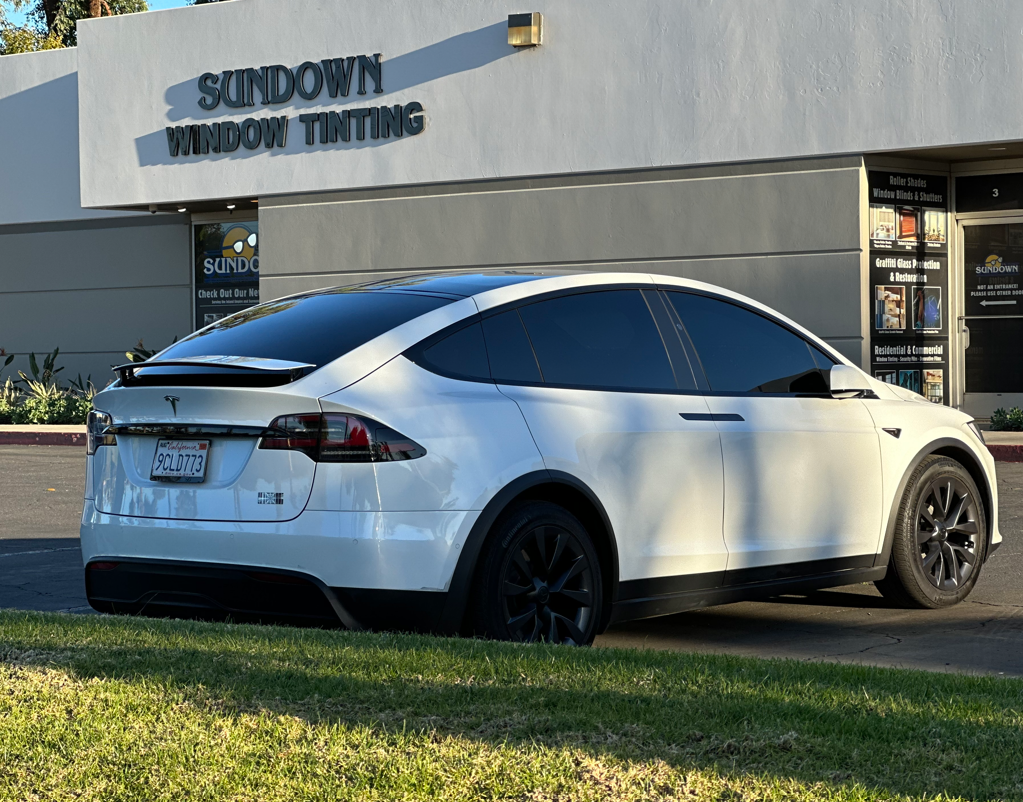
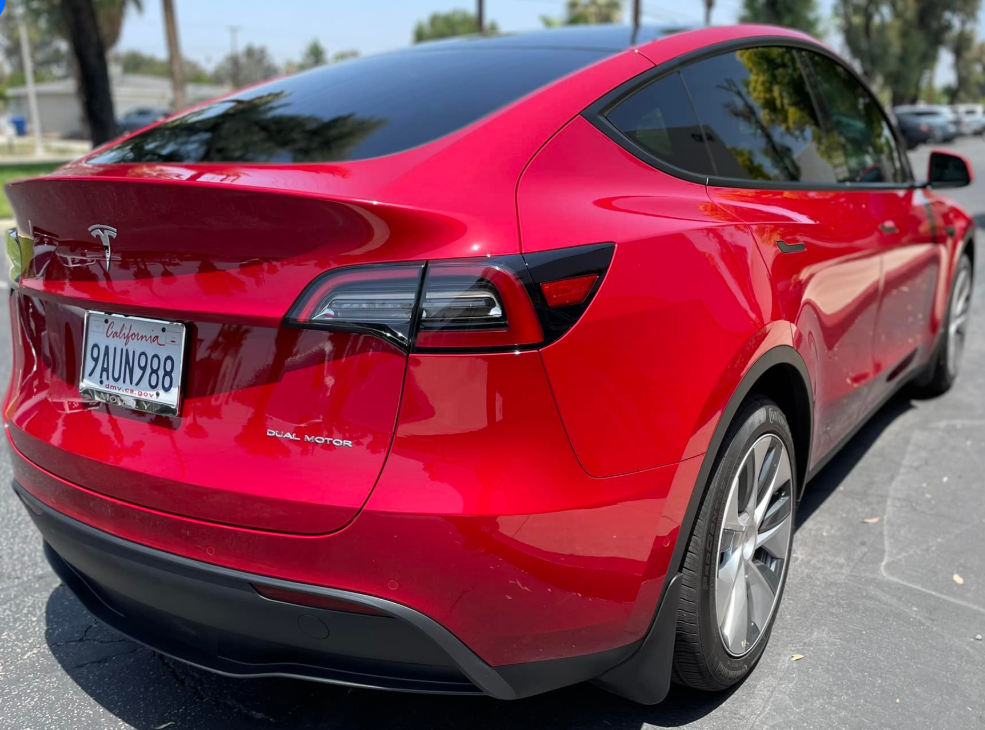
- Safe for sensor-heavy vehicles, including models from Tesla and other advanced EV platforms
Because ceramic films do not contain metal particles, they maintain signal clarity while still delivering strong heat rejection and UV protection.
Heat Reduction and UV Protection
Ceramic window tint acts like a high-tech barrier that blocks the sun's intense heat before it even touches your electric vehicle's interior. The microscopic ceramic particles reflect and absorb infrared radiation, the invisible rays primarily responsible for heating up your cabin. This means when you park in the blazing sun, the interior temperature rises much more slowly, allowing you to step inside without that blast of oven-like heat.
Ceramic tint mitigates this by rejecting up to 80% of infrared rays. The result is an interior that remains cooler longer, which reduces the load on your vehicle's climate control system. For EV owners, this translates directly into better range and less frequent need for air conditioning, preserving precious battery life.
Protecting against ultraviolet (UV) rays plays an equally vital role. Ceramic window tint can block up to 99% of harmful UV rays, which are notorious for causing skin damage over time. These high-energy rays penetrate glass easily and accelerate interior fading, cracking dashboards and upholstery prematurely. Beyond cosmetic wear, UV exposure poses serious health risks, from premature aging to increased chances of skin cancer. This protection is particularly important because EVs often have larger glass surfaces, like panoramic sunroofs.
- Blocks up to 80% of infrared rays for superior interior cooling
- Rejects 99% of UV radiation to prevent skin damage and interior fading
- Reduces reliance on AC, preserving EV battery efficiency
- Protects occupants' health, shielding them from harmful sunlight exposure
Enhancing Interior Comfort
Spending hours behind the wheel should feel effortless, but the relentless sun beating through the windows can quickly turn any drive into an exhausting experience. Ceramic window tint brings relief by maintaining a consistent interior climate, meaning your car stays cooler in summer and warmer in winter without swinging wildly between extremes.
The reduction in glare is equally transformative. Sunlight bouncing off surfaces like water or fresh snow creates blinding reflections that strain your eyes and can impair judgment on the road. Ceramic tints significantly cut down these distracting glares, allowing for clearer sightlines and less squinting.
- Less reliance on air conditioning: A more stable temperature means your EV's climate control doesn't have to work overtime, preserving battery life.
- Enhanced driver focus: Reduced glare means less distraction and safer driving.
- Improved passenger comfort: Everyone in the vehicle experiences fewer temperature swings and less eye discomfort.
What's remarkable is that ceramic window tints filter infrared light, one of the primary culprits behind interior heat buildup, without darkening your windows excessively. You get comfort without compromise, preserving visibility while blocking unwanted heat.
Selecting the Perfect Tint for Your EV
Choosing the perfect ceramic window tint plays a crucial role in maximizing benefits. Start by thinking about tint darkness, which directly affects how much sunlight your vehicle blocks. Before settling on a shade, check your state's legal limits on Visible Light Transmission (VLT) to prevent costly fines.
- Tint Darkness: Darker films block more UV rays but may reduce visibility at night.
- Visible Light Transmission (VLT): This percentage reflects how much light passes through your windows. Higher VLT means brighter interiors but less privacy.
- Cost vs. Quality: While cheaper tints might seem tempting, they often use inferior materials prone to peeling or bubbling under heat stress.
Maintenance and Longevity of Ceramic Tints
Ceramic window tints are celebrated for their impressive durability, but their longevity depends on proper care. Using harsh chemicals, especially ammonia-based cleaners, can break down the microscopic ceramic particles and compromise the tint's ability to block heat and UV rays. Instead, a soft microfiber cloth combined with warm water and a mild soap solution offers safe yet effective cleaning.
| Ceramic Tint Maintenance Tips | Description |
|---|---|
| Use Mild Soap | Gentle cleaning without damage |
| Avoid Ammonia Cleaners | Prevents film degradation |
| Soft Cloth Cleaning | Avoids scratches and streaks |
Protect your ceramic tint from physical damage by avoiding sharp objects against the glass and using plastic scrapers rather than metal ones in winter. Frequent light cleaning sessions, once every one to two weeks, prevent stubborn grime from embedding into the tint surface.
Many SunDown Window Tint customers have noted their tints looking as vibrant years after installation as they did on day one simply by following these maintenance tips. This longevity not only maintains aesthetic appeal but also sustains energy-saving benefits over time.
Upgrade Your EV Comfort and Efficiency with Professional Ceramic Tint
Electric vehicles are built for efficiency, and ceramic window tint is one of the smartest upgrades you can make to protect battery performance, reduce cabin heat, and enhance daily driving comfort. Professional installation ensures precise fitment, legal compliance, and long-lasting performance without risking bubbles, peeling, or signal interference with your EV’s advanced technology.
At SunDown Window Tint, experienced installers specialize in EV-safe ceramic window tint designed to block heat, preserve interior materials, and maintain full functionality of sensors, GPS, and wireless systems. Whether you drive a new EV or want to improve comfort in your current vehicle, expert guidance helps you choose the right tint level for maximum efficiency and style.
Call us at 951-359-0850 today to schedule your consultation to discover how ceramic window tint can boost your EV’s comfort, protect your interior, and support energy efficiency on every drive.
FAQs on EV Window Tint
1. Does window tint affect EV sensors or driver-assistance systems?
No. High-quality
ceramic window tint is non-metallic, so it does not interfere with ADAS cameras, radar, GPS, Bluetooth, or keyless entry systems.
2. Is window tint safe for sensor-heavy vehicles like the Tesla lineup?
Yes. Ceramic tint is widely recommended for vehicles from Tesla and other EV brands because it allows signal transmission while still blocking heat and UV rays.
3. Can window tint help increase EV driving range?
Yes. By reducing cabin heat, tint lowers AC usage, which can help conserve battery power and slightly improve driving range.
4. Will tint impact EV charging performance or battery health?
No direct impact. However, heat rejection from tint can reduce interior temperature, which indirectly supports better battery efficiency during hot weather.
5. Are ceramic tints better than dyed or metallic films for EVs?
Yes. Ceramic tint offers superior heat rejection without signal interference, making it the best choice for EVs with advanced electronics and connectivity.
6. Can I tint the windshield of my EV?
A clear or very light ceramic film can be applied to the windshield (where legal) to block heat and UV without affecting visibility or sensors.
7. Does window tint protect EV interiors and screens?
Yes. Tint blocks UV rays that cause fading, cracking, and overheating of digital displays, leather, and trim.
8. Will tint reduce glare for EV camera systems?
Yes. Tint can minimize glare and improve camera clarity, which supports safer operation of driver-assistance features.