sundown
PPF and Tint for Off Road Vehicles in Southern California
Southern California trails are hard on a vehicle. Between loose gravel, rock strikes, desert dust, branch scrapes, and sun that does not let up from May through October, an off road rig takes more abuse in a single weekend than a commuter car sees in a year. Paint protection film and window tinting are how you get ahead of that damage instead of paying for it later. This guide covers what each does, what it costs, how it holds up on the trail, and what to look for in an installer.
For off road vehicles in Southern California, Sundown Window Tint installs XPEL paint protection film in clear, stealth matte, and color change finishes to guard paint against rocks, debris, and UV fading. Our carbon and XPEL ceramic window tints deliver serious infrared heat rejection and UV protection, keeping cabins comfortable and interiors intact through long days in the sun. Every package is cut and hand applied to your specific vehicle.
Why Off Road Vehicles Need More Than Paint Alone
Factory clear coat is designed for pavement, not for gravel thrown by the truck ahead of you or the sand blasting effect of a dusty wash at speed. Once the clear coat is breached, moisture and dirt work into the chip, and a cosmetic issue becomes rust and a repaint bill.
The sun is the second problem, and in the Inland Empire it is relentless. UV exposure breaks down the chemical bonds in paint, causing fading and discoloration. Inside the cabin, the same rays crack dashboards, dry out seats, and warp trim. Neither problem announces itself, and both quietly reduce what your vehicle is worth when you sell it.
What Paint Protection Film Does for Your Rig
Paint protection film is a thick, optically clear urethane layer applied over your painted surfaces. It flexes and absorbs impact from stones and gravel that would otherwise chip the paint underneath, and it carries a self healing surface, so minor swirls and light scratches from brush contact disappear with heat exposure rather than staying visible. The practical benefits stack up quickly:
- Impact absorption from rocks, gravel, and road debris
- Protection against light scrapes from branches and trail brush
- UV inhibitors that keep your paint color from fading in the California sun
- A slick surface that releases mud and dust with far less scrubbing
- Preserved resale value, since the paint underneath stays factory fresh
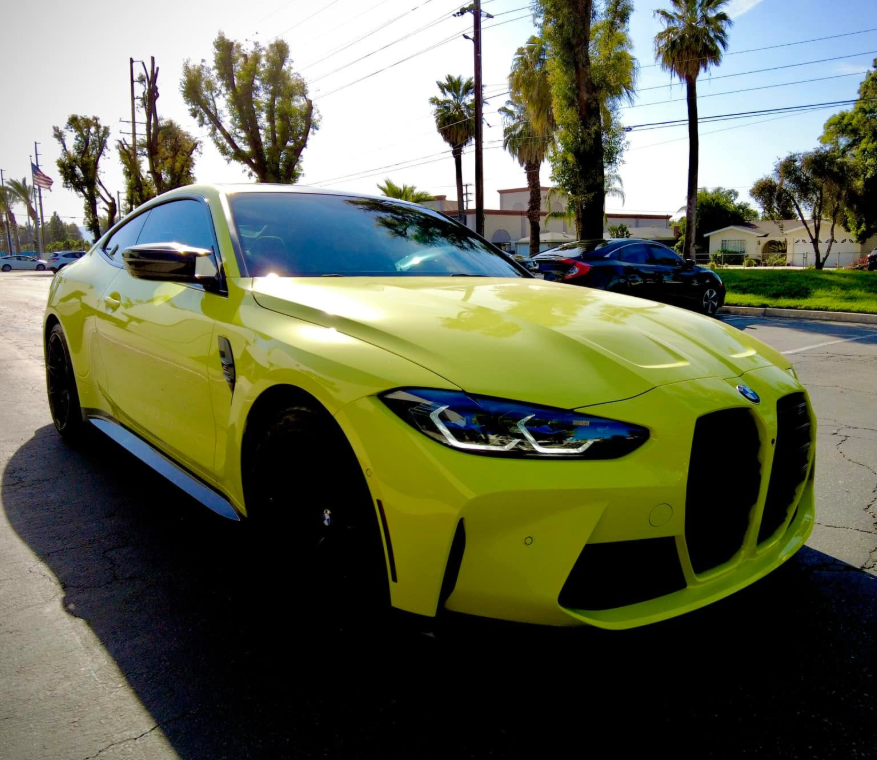
At Sundown Window Tint we install XPEL products in three finishes. Traditional clear PPF is nearly invisible once applied. Stealth PPF adds a satin matte look while delivering the same protection, and it is fully removable without damaging the paint beneath. Color change PPF lets you shift your rig’s appearance entirely while still shielding the clear coat.
PPF Package Options and What They Cost
Coverage is the main cost driver. Most off road drivers start with the front end, where the majority of impacts land, then expand from there.
Our Partial Front Package starts at $1,000 and covers the front bumper, partial hood, mirrors, partial front fenders, headlights, and fog lights, with a 24 hour turnaround. The Full Front Package starts at $1,850 and extends to the full hood and full front fenders over two days. Our Full Coverage Package starts at $5,500 and protects every painted surface, typically over five to seven days. Windshield protection film is available as an add on starting at $499, which is worth serious consideration for trail use, since one rock strike can mean a full windshield replacement.
Window tinting runs on its own scale. Clarity Carbon starts at $75 for a window strip, $125 for the front two windows, and $300 for all sides and the rear window. XPEL Premier Ceramic starts at $175, $250 for a full windshield, and $450 for all sides and rear. XPEL Ultimate IR Ceramic, our highest performing film, starts at $250, $350, and $700 respectively.

How Window Tint Improves Comfort and Protection Off Road
A parked truck in the desert becomes an oven fast. Quality tint attacks that at the source by rejecting infrared radiation before it enters the cabin. Our Premier Ceramic film delivers 78% infrared heat rejection, and Ultimate IR Ceramic pushes that to 96%. The cabin stays measurably cooler, your air conditioning does not have to fight as hard, and your interior is not baking every time you stop on the trail. Tint also blocks up to 99% of ultraviolet radiation, which protects both your skin on long open sky days and the dashboards, seats, and door panels that fade and crack without it.
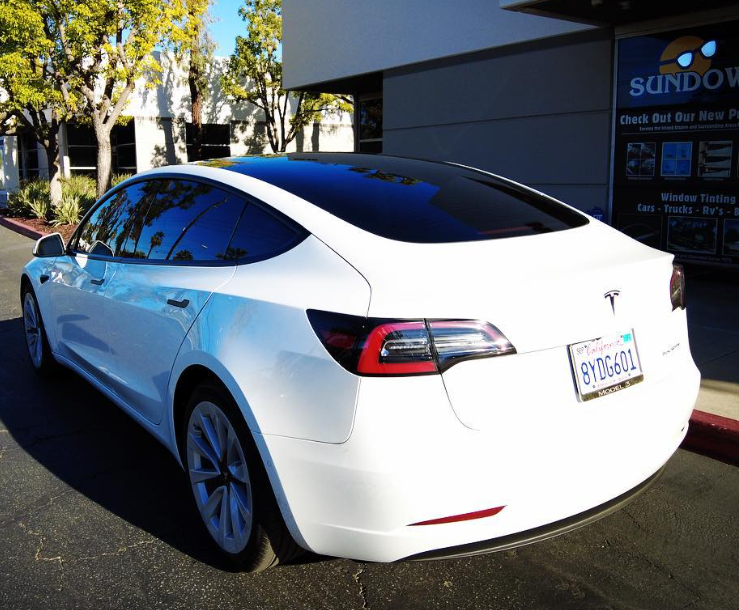
Privacy is the third benefit. Recovery gear, tools, coolers, and camping equipment sitting in plain view invite trouble at a trailhead or rest stop, and tinted rear glass keeps it out of sight while quality film maintains clear outward visibility from the driver’s seat. Both our carbon and ceramic films are nonmetallic, so GPS, cell service, radio, and keyless entry keep working normally.
Staying Legal in California
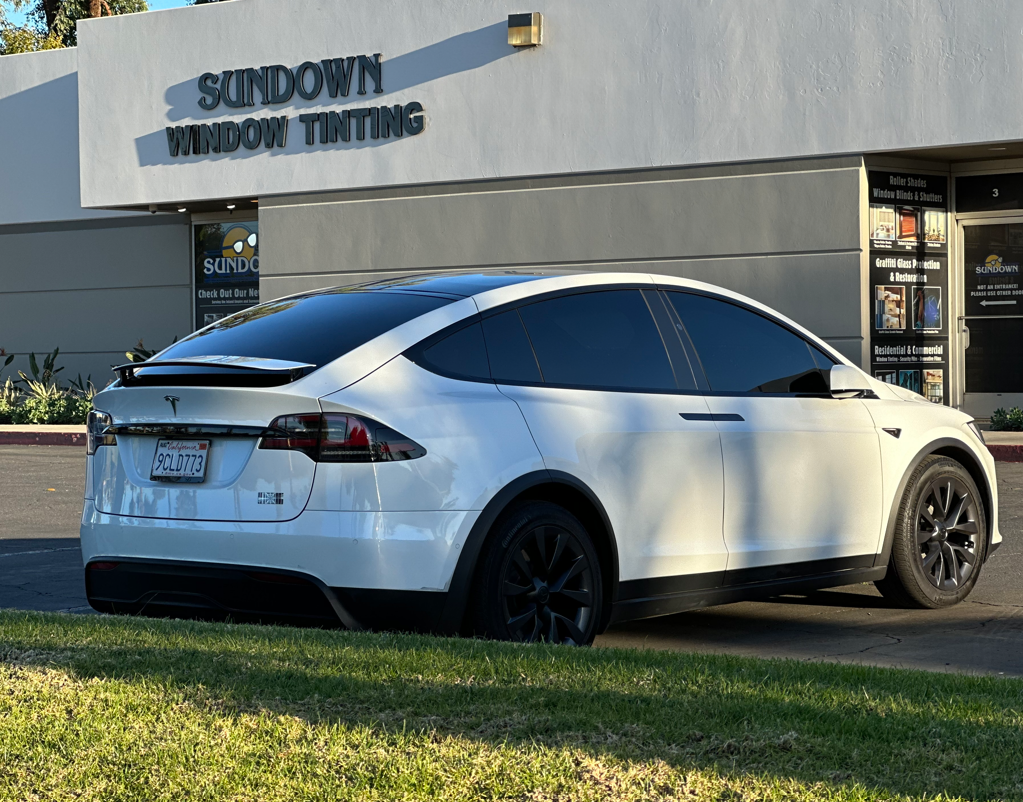
California regulates tint darkness by window position, and the rules apply to trucks and SUVs the same as sedans. Front side windows must allow at least 70% of light through, while back side windows and the rear window have no darkness limit. That is why most off road builds pair a legal light film up front with a much darker shade in back. Only the strip above the AS1 line on the windshield may be tinted, and front side windows cannot be more reflective than untinted glass. Our team handles compliance during the consultation, so your build gets the look you want without a citation on the way home.
Durability in Real Off Road Conditions
Professionally installed paint protection film lasts up to ten years with proper care and periodic inspection. Our XPEL PPF carries a ten year warranty covering yellowing, delaminating, cracking, peeling, and bubbling, which is the kind of backing that matters when your vehicle spends its weekends in conditions most films never see.
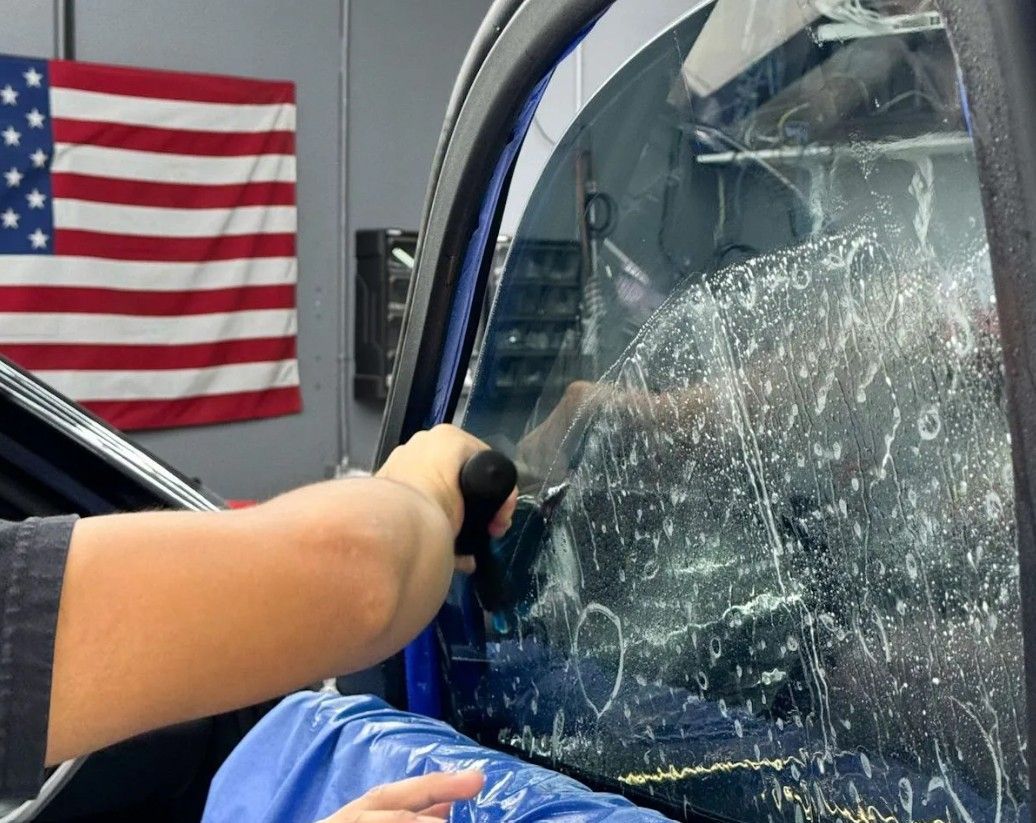
Longevity depends heavily on installation quality. Film that is not properly wrapped and tucked at the edges will lift once mud, water, and pressure get underneath it. Our installers measure, cut, and hand apply every piece to the contours of your vehicle, wrapping every edge for a seamless finish. That precision keeps film adhered through washboard roads and water crossings instead of peeling after one season.
Caring for PPF and Tint After the Trail
Good habits protect the investment:
- Wait at least a week after PPF installation before hand washing, and three to five days after tint installation before rolling windows down
- Wash with a mild, pH balanced automotive soap rather than household detergent
- Use a soft microfiber cloth or sponge, working in straight lines to minimize swirl marks
- Skip ammonia based glass cleaners, which break down tint adhesive and cause bubbling
- Keep pressure washer nozzles away from film edges, where forced water can lift the material
- Rinse off caked mud, sand, and dust soon after a run rather than letting it dry and harden
- Inspect PPF edges periodically for lifting and address it early
Pairing PPF with ceramic coating adds hydrophobic properties that make post trail cleanup considerably easier.
Choosing the Right Installer
Certification is the first filter. XPEL certified installers are trained on the material science and application technique that prevent bubbling, edge lift, and premature failure. Ask what products a shop uses, what the warranty covers, and what support you get after the film goes on. Reputation is the second filter. Reviews tell you how a shop handles complex panels and whether the work holds up, and visiting the shop tells you the rest. A clean, organized bay with proper tooling reflects how your vehicle will be treated.
Get Your Off Road Build Protected
Sundown Window Tint has served Riverside and the greater Inland Empire since 1978, and our XPEL certified installers work on every make and model, from daily drivers to fully built trail rigs. We will look at your vehicle, ask how and where you actually use it, and recommend the PPF coverage and tint combination that fits your driving lifestyle and your budget. Free quotes are available for all vehicle services.
Call 951-359-0850 orrequest your quote online. You can also visit us at 9840 Indiana Avenue, Suite 2 in Riverside, Monday through Friday from 8:00 am to 5:00 pm, with Saturdays available by appointment.
Frequently Asked Questions
Is partial front PPF enough for off road use?
For many drivers, yes. The front bumper, hood, fenders, mirrors, and lights absorb most rock and debris strikes, which is why our Partial Front and Full Front packages are popular starting points. Drivers who run tight, brushy trails often extend coverage further back, since branch contact happens along the sides.
Will mud and trail grime damage paint protection film?
Not if you clean it reasonably soon. PPF is built to take that abuse, and its slick surface releases dirt more easily than bare paint. The risk comes from letting mud dry and harden, then scrubbing it off, which can create micro abrasions during cleaning.
How much heat does ceramic tint actually block?
Our Premier Ceramic film rejects 78% of infrared heat and Ultimate IR Ceramic rejects 96%. Both block up to 99% of UV rays. You can compare shades and performance on our ceramic tint page.
Can PPF go over a matte or wrapped finish?
Yes. Our Stealth PPF is designed specifically to protect matte finishes while preserving that satin look, and it removes cleanly without harming the paint underneath. Color change PPF is also available if you want a new finish and protection in one step.
Does PPF really self heal?
It does. Light surface scratches and swirl marks in the film smooth out with heat exposure, whether from direct sun or warm water. This applies to the film itself, not to deeper gouges that penetrate through it.
Should I get PPF or ceramic coating?
They solve different problems and work best together. PPF is a physical barrier against impact and abrasion, while ceramic coating adds chemical resistance, UV protection, and hydrophobic properties that simplify cleaning. For a vehicle that sees regular trail use, the combination gives you the most complete protection available.