sundown
Does PPF Change Over Time? Lifespan, Yellowing, Peeling, and Maintenance Explained
Paint Protection Film (PPF) is like an invisible shield for your car's paint, guarding it from scratches, chips, and dirt. But PPF does change over time. It can yellow, peel, or lose its shine if not cared for properly. Understanding how and why these changes happen helps you keep your car looking its best much longer than you might expect. This article covers what affects PPF's lifespan, common issues to watch for, and simple steps to maintain it so your investment stays solid year after year.
Factors Affecting PPF Durability
Not all PPFs are created equal. The quality of the material sets the baseline for how well the film resists wear and tear. Premium polyurethane films, like the XPEL products we use at Sundown Window Tint, incorporate advanced additives that enhance scratch resistance and block ultraviolet light more efficiently. These films also feature self-healing technology, meaning minor surface scratches can disappear when exposed to heat from sunlight or warm water. This results in a functional lifespan often reaching up to a decade under ideal conditions.
Environmental exposure dramatically influences PPF longevity too. Continuous UV exposure can speed up degradation, causing yellowing or brittleness within a few years. Temperature swings, from freezing winters to scorching summers, stress the film and encourage micro-cracks or peeling over time.
Improper installation is another key factor. Even the highest quality film won't perform well if it traps moisture or air bubbles beneath its surface during application. These imperfections act like weak points where degradation starts, shortening the film's useful life significantly. Professional installation in a controlled environment minimizes these risks.
Maintenance habits round out the picture. Washing with gentle, pH-neutral cleaners instead of harsh chemicals preserves polymer integrity, while periodic inspections for chips or lifting edges allow you to address problems before they become irreversible. Garaging your vehicle whenever possible shields it from harsh weather and pollutants, stretching overall durability.
Environmental Impact on PPF
The sun's ultraviolet (UV) rays are a relentless adversary for PPF. Continuous exposure accelerates the breakdown of the film's chemical structure, compromising clarity and elasticity. Cars left outside without shelter experience noticeably faster deterioration than those kept in garages or shaded areas. At Sundown Window Tint, we emphasize the value of UV inhibitors embedded in quality films because these additives extend lifespan by reducing sun damage.
Atmospheric contamination offers another challenge. Pollutants such as acid rain, bird droppings, tree sap, and road salts can chemically interact with the film layers, leading to discoloration and microscopic erosion. Unlike surface dirt, these contaminants penetrate and embed into the film if left unattended, making regular cleaning with pH-neutral products critical.
Temperature swings cause PPF to expand and contract repeatedly. Over thousands of cycles, small micro-cracks may form, growing into visible peeling at edges or corners. Persistent high humidity also weakens adhesive strength, increasing the chances of edge lifting.
To protect your investment:
• Park in covered or indoor areas whenever possible.
• Establish a cleaning routine adapted for your local climate.
• Choose PPF products with UV inhibitors and hydrophobic surfaces.
• Regularly inspect for early signs of peeling or discoloration.
Quality and Application Process
The effectiveness and lifespan of PPF hinge on two foundational elements: the quality of the film and the carefulness of its installation. Premium brands like XPEL produce films with thicknesses ranging between 6 to 8 mils, which play an essential role in resisting scratches and abrasions. High-tier films block up to 99% of harmful ultraviolet rays, dramatically reducing the risk of yellowing even after prolonged sun exposure. They also feature self-healing properties, allowing minor scratches to disappear naturally when exposed to warmth.
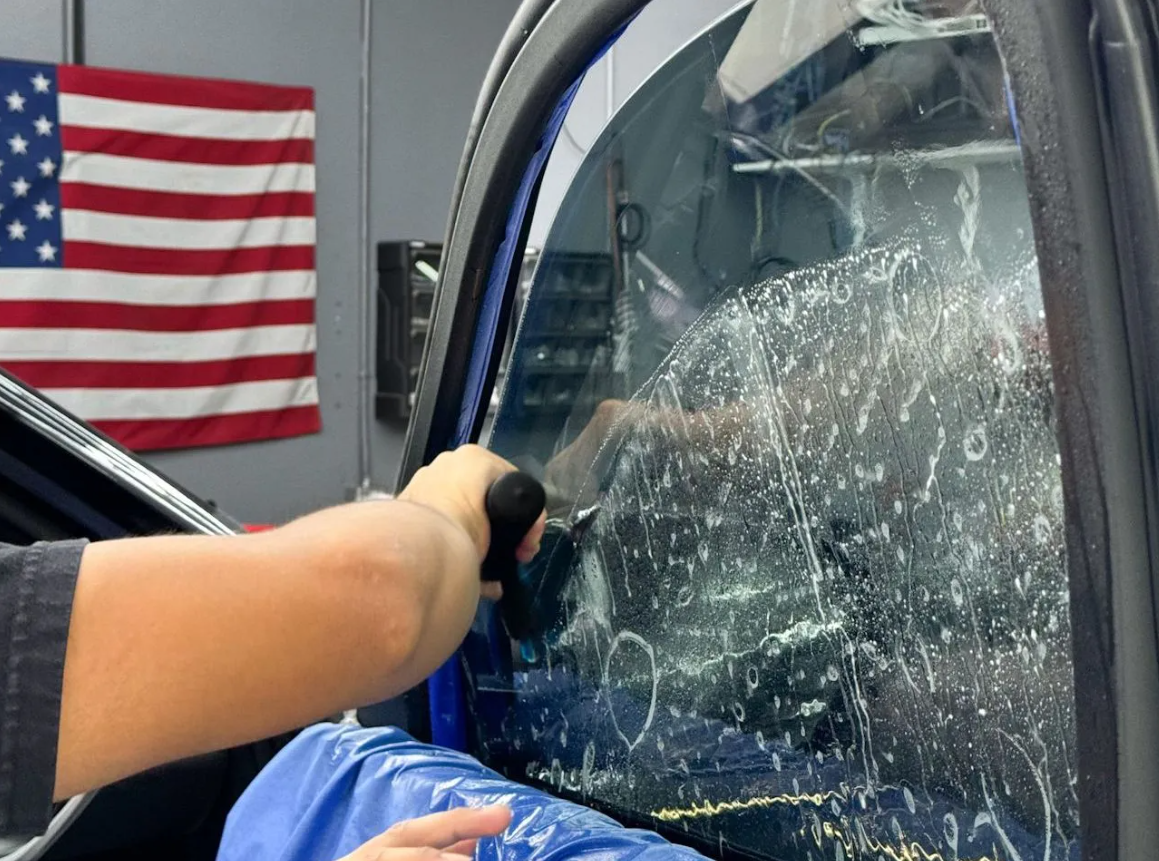
The installation process is equally critical. Your car's surface must be cleaned meticulously, removing every speck of dirt, oil, or contaminant. At Sundown Window Tint, our XPEL-certified technicians work in controlled environments, managing ambient temperature and humidity to ensure proper adhesive curing and prevent premature peeling. Even minor errors during installation, such as trapping dust particles or improper stretching, can significantly reduce the film's effective lifespan.
Common PPF Issues
Despite the proven benefits of car PPF, owners sometimes encounter problems that diminish its appearance and effectiveness over time. One of the most frequently reported issues is yellowing, a subtle change at first but one that can significantly alter the look of your car's finish. This discoloration primarily happens due to prolonged UV exposure and environmental pollutants, and usually manifests after three to five years, especially in regions with intense sunlight.
Peeling, the gradual lifting or curling at the edges, is often a sign of adhesive failure beneath the film. When PPF isn't applied on a perfectly clean surface or if edges are cut too close without proper sealing, moisture and dirt creep underneath, breaking down the adhesive bond. Once an edge peels, dirt seeps in and causes further lifting or damage to paintwork beneath.
Other Notable Concerns
Over years of exposure, some PPFs undergo hardening, where the once flexible film becomes brittle. Hazing, a milky or cloudy appearance, can emerge from micro-scratches or chemical reactions with harsh cleaning agents. These conditions are gradual reminders that even durable protective films require thoughtful care. Use products specifically formulated for PPF maintenance or consult our team at Sundown Window Tint for advice tailored to your film type.
| Issue | Cause | Signs | Prevention and Maintenance |
|---|---|---|---|
| Yellowing | UV exposure and pollutants | Film turns yellowish after 3 to 5 years | UV blockers; regular washing; professional coatings |
| Peeling | Poor installation or inferior adhesive | Edges lifting; bubbles forming | Certified installation; routine inspections |
| Hardening | Heat and sun exposure over time | Film becomes stiff or brittle | Limit sun exposure; timely replacement |
| Hazing | Abrasive cleaners or scratches | Cloudy or milky appearance | PPF-specific cleaning products; gentle technique |
Yellowing Concerns
Yellowing is more than an aesthetic nuisance. When the film turns a dull, yellow tint, it detracts from your vehicle's original finish and can affect resale value. The primary culprit is prolonged UV exposure, which gradually breaks down the chemical structure of lower-quality films through oxidation.
Investing in high-quality TPU films matters because they include stabilized polymers with embedded UV inhibitors. Modern films from XPEL block up to 99% of harmful UV radiation, helping prevent the breakdown that causes yellowing. Maintaining your PPF with pH-neutral soaps and consistent gentle care further reduces discoloration risk.
Peeling Problems
Peeling often begins quietly at the edges where the adhesive bond is most vulnerable. This small lift quickly becomes a doorway for dust, dirt, and moisture to seep underneath, undermining the protective layer's purpose.
The root causes trace back to improper installation or subpar adhesive materials. PPF installation requires a clean surface, careful handling, and a controlled temperature, typically between 65°F and 80°F. XPEL backs their products with long-term warranties covering peeling or adhesive failure, reflecting confidence in material quality and proper installation.
Addressing small peeling spots promptly extends your film's lifespan by preventing full-scale reinstallation. Regular inspections and garaging your vehicle reduce stress on the adhesive layers.
Maintenance Tips for Longevity
Proper maintenance is crucial for extending PPF's lifespan. One key habit is using gentle, pH-neutral cleaners safe for PPF, because abrasive or acidic products can erode the film's surface or cause discoloration over time. Frequent washing with quality soaps and clean microfiber mitts prevents the micro-scratches that cheap cloths leave behind.
UV protection is another essential element. Applying a dedicated UV protectant spray slows natural degradation, preserving clarity and appearance far longer than leaving the film bare. Regular inspections allow you to catch early signs of peeling or yellowing and address them before they worsen.
| Essential PPF Maintenance Tasks | Purpose |
|---|---|
| Use pH-neutral cleaners | Avoid chemical damage to films |
| Wash frequently | Prevent buildup leading to stains and scratches |
| Apply UV protectants regularly | Maintain clarity and prevent yellowing |
| Inspect often | Catch small problems early |
Avoid harsh chemicals entirely; rely on automotive detailing sprays made specifically for PPF. For even easier maintenance and added hydrophobic properties, consider pairing your PPF with a ceramic coating.
Protect Your Paint Protection Film for Years to Come
A high-quality Paint Protection Film is a long-term investment, but its performance depends on the quality of the film, professional ppf installation, and proper maintenance. Choosing premium PPF and following the right care routine can help prevent yellowing, peeling, and premature wear while keeping your vehicle looking newer for years.
At Sundown Window Tint, our XPEL-certified technicians install industry-leading Paint Protection Film designed for exceptional durability, self-healing performance, and long-lasting clarity. We also provide expert maintenance guidance and inspections to help maximize the lifespan of your PPF and protect your vehicle's finish in every season.
Ready to protect your vehicle with premium Paint Protection Film? Contact Sundown Window Tint today for a free consultation. Call 951-359-0850 or request a quote online to discover the right PPF solution for your vehicle.
Related FAQs
Can peeling or bubbling on PPF be prevented, and what causes these issues?
Yes. Proper surface preparation and professional application in a controlled environment prevent most peeling and bubbling. The most common causes are contaminants trapped underneath the film, installation in extreme temperatures, or aging film degradation.
How long does paint protection film typically last before showing signs of wear?
PPF typically lasts between 5 to 10 years depending on film quality, UV exposure, and maintenance habits. High-quality XPEL films maintain clarity closer to the decade mark, while lower-grade options may start degrading in as little as 3 years.
How does environmental exposure impact the durability of paint protection film?
UV rays cause yellowing, dirt and debris lead to micro-scratches, and extreme temperatures weaken the adhesive and accelerate peeling. Regular maintenance and UV-resistant coatings are important for keeping your film looking fresh in demanding climates.
What factors contribute to the yellowing or discoloration of PPF over time?
Prolonged UV exposure, environmental pollutants, and insufficient maintenance are the main contributors. UV radiation breaks down the film's polymer structure, especially in older or lower-grade films lacking advanced UV inhibitors.
What maintenance steps can help prolong the lifespan and appearance of PPF?
Gentle washing with pH-neutral soap and soft microfiber cloths, avoiding abrasive cleaners, parking in shade or using UV-protective covers, and timely inspection and repair of small edge peels all contribute to a longer-lasting, better-looking film.