sundown
Window Tinting for Driving Comfort: How It Reduces Glare and Heat in Your Car
Driving becomes genuinely uncomfortable when bright sunlight and heat pour through your car windows, making it hard to see and leaving you drained behind the wheel. Window tinting addresses both problems by blocking harmful rays and filtering intense light, keeping your interior cooler and your eyes less strained on every trip, whether you are commuting across town or traveling long distances.
Car window tinting improves driving comfort by blocking up to 99% of harmful UV rays and significantly reducing solar heat, which keeps the vehicle interior cooler and lessens reliance on air conditioning. Tint films also filter intense visible light and glare from sunlight or headlights, minimizing eye strain and enhancing visibility for safer, more comfortable driving conditions.
The Basics of Window Tinting
Window tinting is more than a dark film on glass. It is a multi-layered system where each layer serves a specific purpose. A scratch-resistant topcoat protects against everyday wear. Beneath that, a UV-protective layer blocks up to 99% of harmful ultraviolet rays that fade upholstery, crack dashboards, and damage skin over time. A glare-reducing layer selectively filters visible light so intense brightness is softened without darkening your view excessively. An aesthetic layer ties it all together, ensuring a smooth, professional finish in your chosen shade.
| Layer Type | Function |
|---|---|
| Scratch-resistant | Protects tint from everyday wear and tear |
| UV-protective | Blocks up to 99% of harmful UV rays |
| Glare-reducing | Minimizes glare for better driver visibility and comfort |
| Aesthetic layer | Provides durability and enhances vehicle appearance |
Together, these layers combine in advanced films, especially ceramic ones, to reduce glare and reject heat effectively without pushing darkness beyond legal limits. For drivers in sunny regions like Riverside, Corona, or Ontario, CA, premium car window tint mean fewer distractions on the road and cooler interiors year-round.
Different Types of Window Films
Not all tint films are equal, and choosing the right one depends on your priorities.
Dyed films are the most affordable option. They absorb sunlight to reduce glare and heat, but tend to fade over time, losing effectiveness.
Metallic films reflect sunlight for stronger heat rejection, but their metallic particles can interfere with GPS and cell phone signals.
Ceramic films are the premium choice. They block up to 99% of UV rays and deliver excellent heat and glare rejection without any signal interference. They also resist scratching and discoloration for years.
Hybrid films blend dyed and metallic layers to balance cost, performance, and minimal signal disruption, making them a strong mid-range option.
When deciding, consider your climate, driving habits, electronics use, and budget. Consulting the team at Sundown Window Tint helps you match the right film to your specific needs.
Enhancing Driving Comfort
One of the most noticeable benefits of auto window tinting is a cooler, calmer cabin. High-quality ceramic films can reduce interior temperatures by up to 15 degrees Fahrenheit, which directly reduces how hard your air conditioning has to work, saving fuel and reducing engine wear. Beyond temperature, tinting filters harsh visible light and infrared heat before they reach the driver, significantly reducing eye fatigue and tension headaches that build up during long or sun-heavy commutes.
Glare is not limited to daylight, either. Oncoming headlights at night can be equally disruptive. Advanced films include anti-glare technology that tames nighttime bright spots and improves safety after dark. Drivers who visit Sundown Window Tint for professional installation consistently report that both daytime and nighttime drives become less stressful and more focused.
Window tinting is not just an aesthetic choice. It is a practical upgrade for anyone who spends time on the road under intense sun.
Heat and UV Reduction
High-quality ceramic tints block up to 99.9% of harmful UV rays, protecting your skin and your passengers while preventing the fading, cracking, and deterioration of upholstery, vinyl, and dashboard plastics. This also helps maintain your vehicle’s resale value over time.
Beyond UV, solar heat gain is a major comfort factor. Ceramic films use infrared-blocking technology that can reduce interior temperatures by up to 60% compared to untinted windows on sunny days. That kind of heat reduction keeps you more alert on long drives, reduces reliance on air conditioning, and makes stepping into a parked car far less punishing.
For residents in sun-intense regions like Riverside, Corona, and Ontario, CA, professional window tinting is not just an upgrade. It is a year-round necessity for protecting both driver and vehicle from long-term sun damage.
“Choosing high-quality ceramic window tints offers unparalleled protection against UV rays and heat, transforming the driving experience while preserving vehicle interiors.”, Sundown Window Tint.
Glare Minimization Techniques
Glare is a genuine safety risk. It can momentarily blind drivers, slow reaction times, and cause cumulative eye strain. Specialized tint films filter and reduce reflected light from wet roads, shiny surfaces, and low-angle sunlight at dawn and dusk. Ceramic tints go further by filtering intense brightness while maintaining clarity, unlike dyed films that simply darken the view.
Tips for maximizing glare control with window tinting:
• Choose polarized films when possible for superior control of reflected glare from horizontal surfaces.
• Opt for VLT ratings around 20 to 35% for the best balance between glare reduction and legal visibility.
• Ceramic-based films provide superior heat and glare rejection with no color distortion.
• Professional installation ensures even film application, eliminating bubbles that can refract and worsen glare.
• Pair tinting with an anti-glare dashboard mat to address reflective surfaces inside the cabin.
Professional Installation
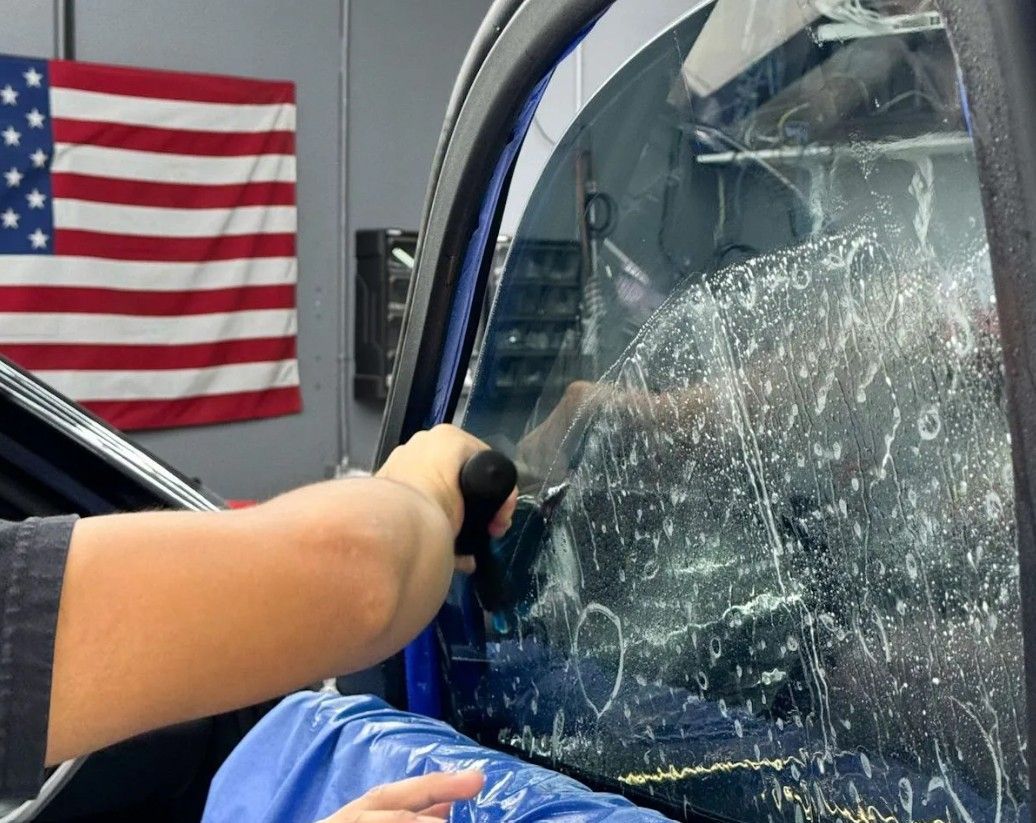
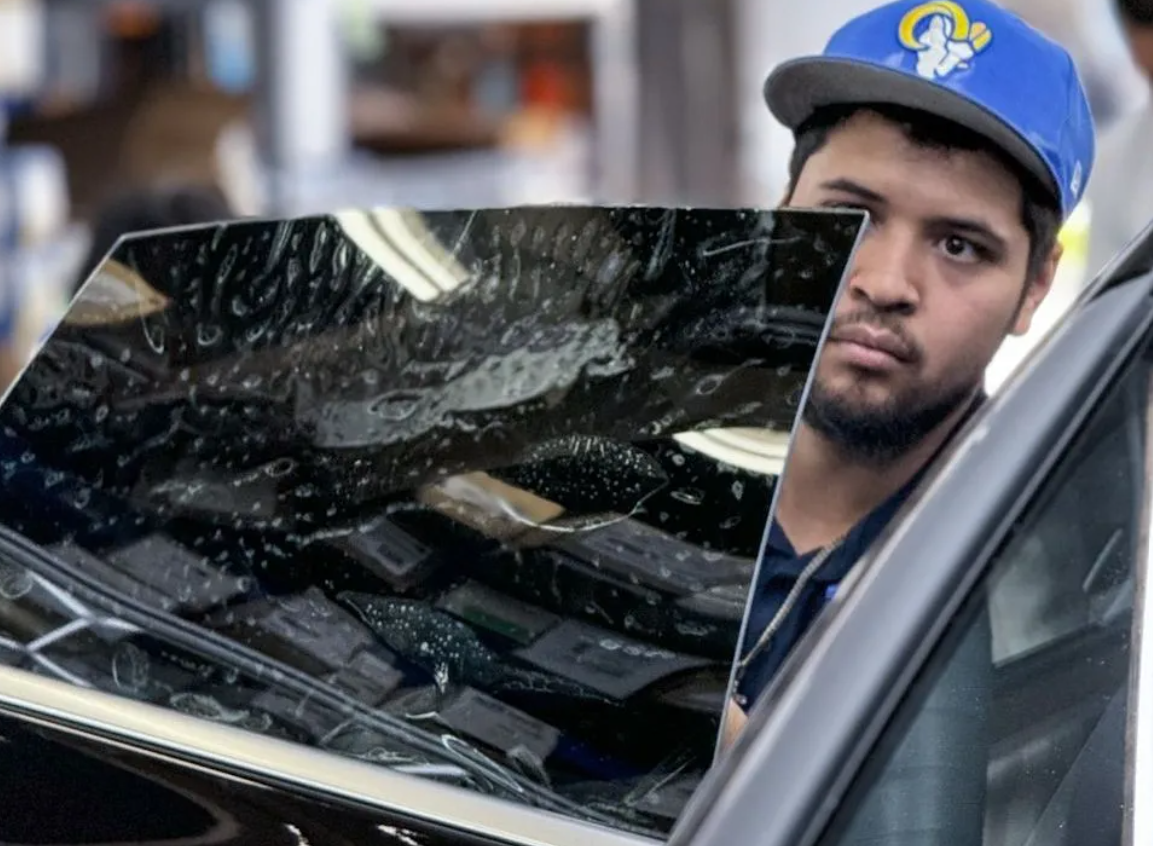
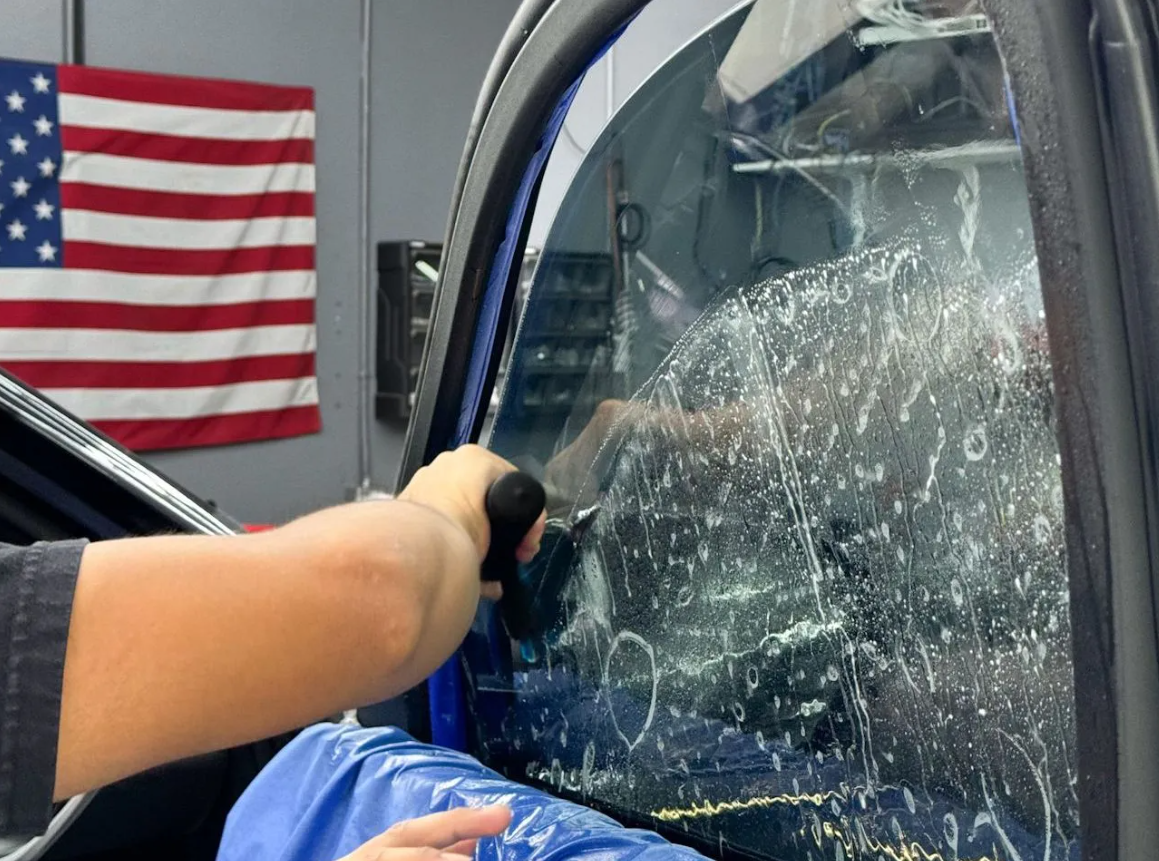
Achieving a flawless, lasting tint finish requires more than applying film. Professional window tint installers at Sundown Window Tint use heat guns to mold the film precisely over each window’s curves, meticulously clean surfaces to prevent trapped air bubbles, and apply tint within the ideal temperature range of 60 to 90 degrees Fahrenheit to ensure proper adhesion. After installation, a 24 to 48-hour curing window is standard before the tint is fully set.
Professional-grade ceramic tints also come backed by warranties covering bubbling, peeling, or fading for several years, a protection DIY kits simply cannot match.
Enjoy Cooler, Safer, and More Comfortable Drives
If glare, excessive heat, and UV exposure are making every drive less enjoyable, professional window tinting can make a noticeable difference. Sundown Window Tint installs premium ceramic window films that help keep your vehicle cooler, reduce eye strain, and protect your interior from sun damage.
Contact us today or call 951-359-0850 to schedule your window tint online consultation and experience the benefits of high-performance window tinting.
FAQs on Window Tinting for Driving Comfort
Can window tinting help reduce eye strain and fatigue for drivers?
Yes. Window tinting cuts glare by up to 60% and blocks up to 99% of harmful UV rays, significantly reducing eye strain and driver fatigue during both daytime and nighttime driving.
How does window tinting contribute to temperature control inside a vehicle?
High-quality ceramic films can lower interior temperatures by up to 60% compared to untinted windows, reducing reliance on air conditioning and making summer drives noticeably more comfortable.
What types of window tinting are most effective at reducing glare?
Ceramic films are the top performers. They filter intense brightness while preserving clarity, with no color distortion and no signal interference, making them ideal for drivers in consistently sunny conditions.
How does window tinting affect visibility at different times of day?
Tinting reduces glare from sunlight and headlights alike, improving visibility during bright daytime hours and at dawn and dusk. Choosing the right VLT level maintains clear sightlines at all hours.
Are there any legal restrictions on window tinting for vehicles?
Yes. In California, front side windows must allow at least 70% of light through, and the front windshield may only be tinted along the top 4 inches. Rear windows have no darkness limits provided side mirrors are present. Working with Sundown Window Tint ensures full legal compliance.
Does window tinting help protect my car's interior?
Yes. Quality window tint blocks harmful UV rays that can cause dashboards, seats, door panels, and other interior surfaces to fade, crack, or deteriorate over time. This helps preserve your vehicle's appearance and resale value.
Will window tinting make my car's air conditioner more effective?
Yes. By reducing the amount of solar heat entering through the windows, tinting helps your air conditioner cool the cabin more efficiently. This can improve comfort and reduce strain on your vehicle's climate control system.
How long does professionally installed window tint last?
The lifespan depends on the film quality and installation. Premium ceramic window films can last 10 years or more when professionally installed and properly maintained, often backed by manufacturer warranties.
Can window tint block heat without making windows extremely dark?
Yes. Modern ceramic window films can reject a significant amount of heat and infrared radiation while maintaining a lighter appearance that complies with local tint laws and preserves visibility.
How soon can I roll down my windows after tint installation?
Most installers recommend waiting at least 3 to 5 days before rolling down tinted windows. This allows the adhesive to cure properly and helps prevent the film from shifting or peeling.
Does window tinting improve privacy inside my vehicle?
Yes. Depending on the tint level selected, window tint can make it more difficult for people outside the vehicle to see inside, providing additional privacy while still maintaining visibility for the driver.
Can window tinting reduce glare from wet roads and reflective surfaces?
Yes. Window tint helps filter reflected sunlight from roads, water, glass buildings, and other bright surfaces, making driving more comfortable and reducing visual distractions.
Is ceramic window tint worth the extra cost?
For many drivers, yes. Ceramic tint offers superior heat rejection, UV protection, glare reduction, and durability without interfering with GPS, cellular, or radio signals, making it a long-term investment in comfort and vehicle protection.