sundown
The Real Cost of Not Installing PPF: Long-Term Paint Damage Explained
Think skipping Paint Protection Film (PPF) installation is a way to save money? Think again. While it might seem like an easy way to cut costs upfront, skipping this clear shield leaves your car's paint open to constant damage, from tiny rock chips to stubborn stains that pile up faster than you'd expect. Over time, these little hits add up, leading to expensive repairs and a look that's anything but fresh. In this article, we'll break down why skipping PPF can cost you more in the long run and how investing in protection now pays off with fewer headaches and higher resale value later.
Skipping PPF installation can lead to significant long-term paint damage, including rock chips, bug acid etching, bird dropping stains, and environmental corrosion that can accumulate even within a few thousand kilometers of driving. Repairing such damage often requires costly repainting, commonly exceeding $1,500 per panel, with no guarantee of perfect color matching, reducing resale value and possibly voiding factory warranties. Investing in high-quality PPF is a cost-effective defense that preserves your vehicle's showroom finish while preventing expensive repairs and depreciation.
Understanding Paint Protection Film and How It Works
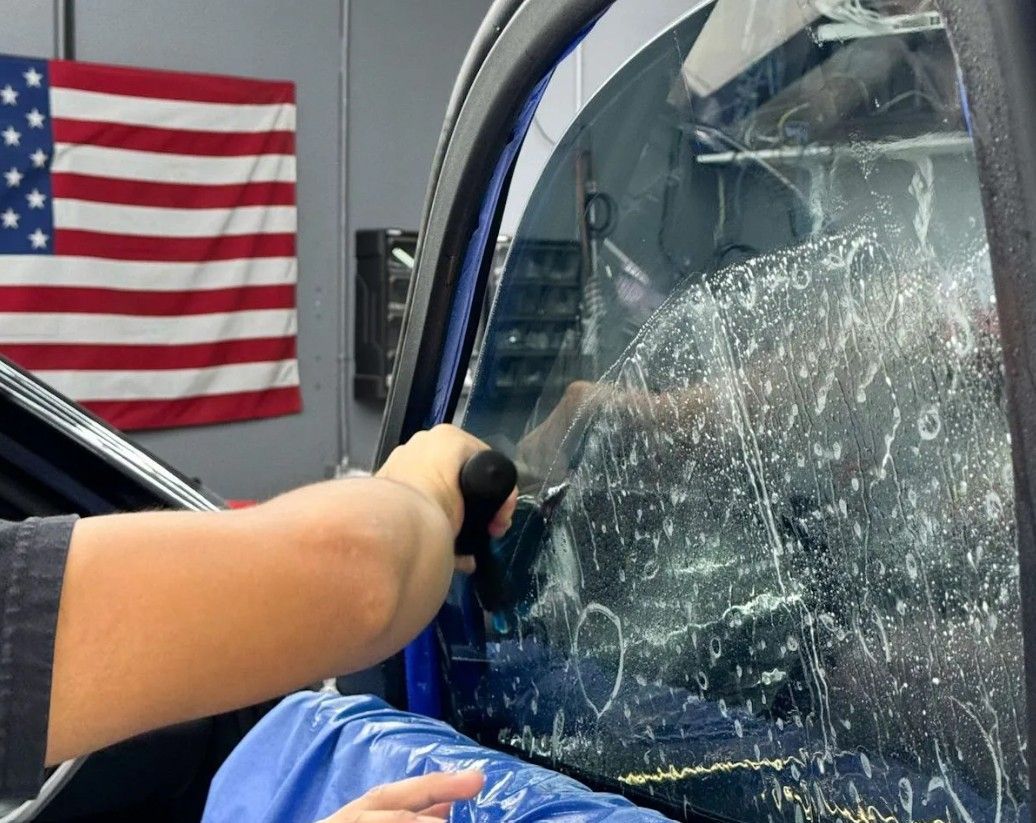
Paint Protection Film, often referred to simply as PPF, is essentially a clear, flexible shield applied directly on your car's painted surfaces. Crafted from thermoplastic polyurethane, it acts as a durable barrier against everyday road hazards that threaten your vehicle's pristine factory finish. This includes countless small threats: tiny rock chips that blast up from the highway, bug splatter with acidic fluids that can etch paint within hours, and even bird droppings or tree sap that chemically bind to the surface, causing stubborn stains.
One of PPF's most impressive features lies in its self-healing capability. The film contains microscopic elastic polymers that allow minor scratches to disappear when exposed to heat, whether from the sun's warmth or gentle artificial sources like hot water. Imagine those annoying swirl marks and light abrasions vanishing almost like magic over time, preserving that impeccable gloss or matte finish you paid extra to have.
Unlike traditional wax or ceramic coatings which sit atop the paint offering surface-level protection, PPF bonds tightly to the clear coat beneath, providing a multi-year safeguard that significantly reduces the chances of costly repainting later. It can absorb impacts and abrasions while maintaining transparency above 90%, so there's minimal visual difference once installed.
Brands like XPEL, 3M, and SunTek have earned reputations for quality installations backed by solid warranties and technological advancements. These manufacturers continuously innovate to reduce yellowing over time and improve film flexibility for complex curves found on modern luxury cars.
Upfront Cost of PPF vs Long-Term Value
When considering PPF installation, one of the first things on everyone's mind is the price tag. A full vehicle wrap can range anywhere from $5,500 to $7,000, reflecting the careful labor and premium materials involved. On the other hand, opting for partial coverage, such as just the hood, bumper, and side mirrors, might cost between $1,200 and $1,800, a more budget-friendly option but also one that leaves some exposed areas vulnerable to damage.
While this might seem like a large expense initially, it's crucial to consider what these costs buy you: a durable barrier that guards against the daily wear caused by road debris, UV rays, and even minor abrasions. Trusted brands come with warranties that can span up to 12 years depending on the tier you select, drastically reducing worries about premature yellowing or brittleness.
If you're looking to protect your investment wisely at Sundown Window Tint, we recommend selecting high-quality films paired with experienced installers who carry proper insurance coverage. This approach may appear costly initially, but it prevents surprise repair bills down the road due to paint damage from daily use.
Long-Term Damage Without PPF
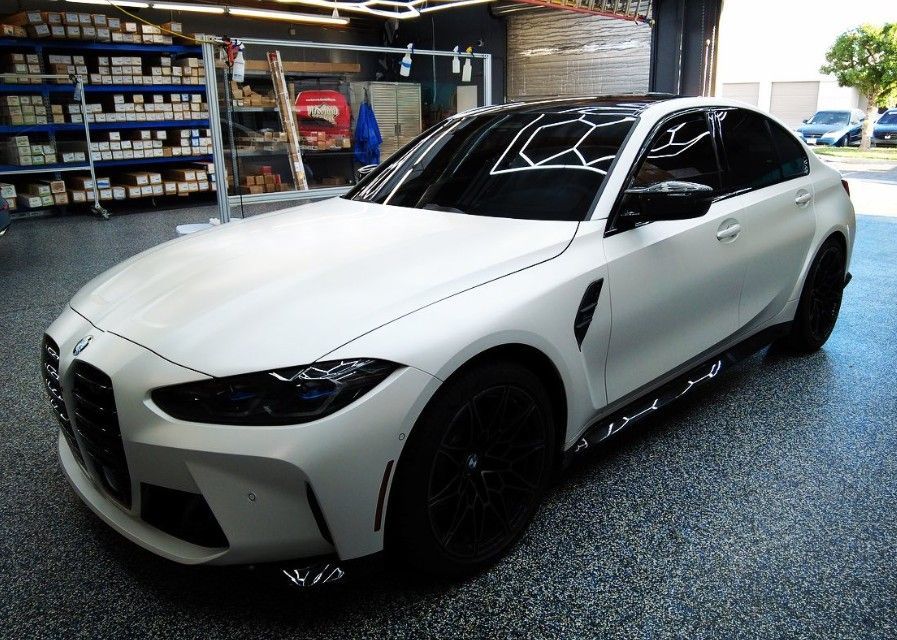
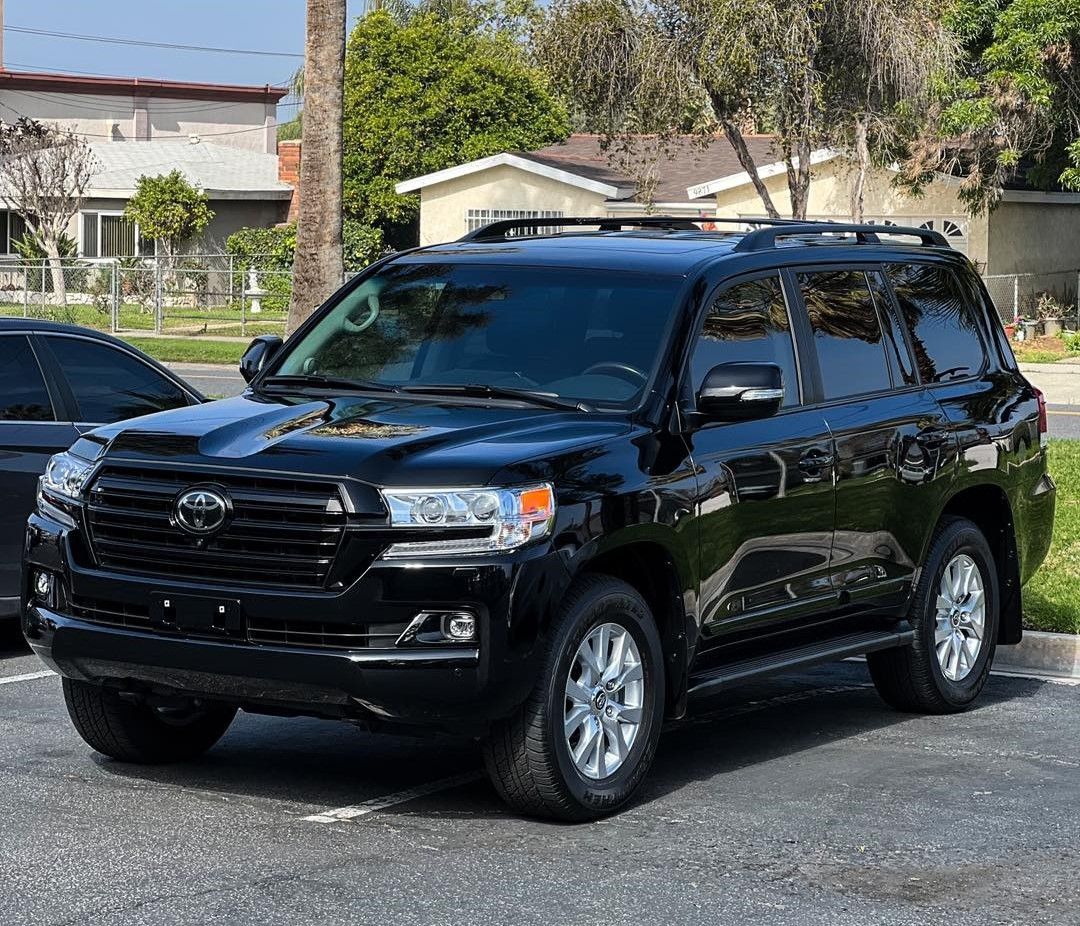
Skipping PPF isn't just about missing out on instant protection; it's about exposing your car's paint to slow, steady erosion that degrades both its beauty and value over time. Luxury vehicles, in particular, feature paints painstakingly crafted for visual appeal, including high-gloss finishes, matte textures, and pearlescent sheens. However, these delicate surfaces are surprisingly vulnerable.
Everyday hazards such as rock chips bouncing off highway gravel can puncture clear coats within days or weeks. Even seemingly benign bug splatter contains acidic fluids that begin etching into these fragile layers within hours, leaving marks that become permanent if not addressed swiftly.
Over months and years without a protective barrier, minor scratches multiply, swirl marks accumulate from regular washing, and environmental contaminants like bird droppings and tree sap chemically bond to the paint. This degradation not only mars your vehicle's appearance but also compromises the paint's integrity, making it more susceptible to oxidation and fading from regular sunlight exposure.
Industry data highlights how even luxury cars with just 5,000 kilometers of road time can exhibit marked deterioration without PPF. In busy urban or suburban settings, vehicles typically endure 2-3 paint damage incidents yearly, ranging from minor scratches caused by parking lot mishaps to chemical stains from environmental fallout. Research shows annual paint maintenance costs on unprotected cars tend to be 15-25% higher than those with quality film installed.
Rock chips from gravel and road debris can puncture the clear coat, often costing $300 to $1,000 per incident to repair. Bug splatter contains acidic fluids that cause etching and staining, with repairs typically ranging from $200 to $800. Environmental fallout such as tree sap and bird droppings can chemically bond to paint, leading to deep stains that may cost $250 to $900 to fix.
While repair is possible, repainting factory finishes on luxury models is costly and rarely perfect because specialty colors and finishes are difficult to replicate faithfully. Moreover, repainting can reduce resale value by signaling prior damage or void manufacturer paint warranties unless performed through authorized avenues.
How Environmental Exposure Accelerates Paint Deterioration
Your car's paint isn't just about looks; it's a vital protective layer against nature's relentless assault. UV radiation breaks down the clear coat over time, leading to fading, chalky surfaces, and a dull appearance. Studies reveal that in sunny climates, unprotected paint can lose up to 30% of its color vibrancy within five years.
Acid rain with a pH as low as 4.0 can chemically erode your paint, causing visible etching in as little as one to two years if left untreated. Winter's road salt and brine corrode metal underneath and cause blistering of paint surfaces. Data shows a 25% increase in paint damage cases in areas with heavy salt use compared to salt-free regions.
Airborne pollutants such as nitrogen oxides and sulfur dioxide chip away at your car's exterior. Vehicles parked in urban environments suffer about 15% faster deterioration due to these aggressive pollutants. Temperature swings create micro-cracks in the clear coat that gradually worsen, allowing moisture and contaminants to seep in, increasing paint failure rates by up to 20%.
Regular application of protective measures such as Auto Paint Protection Film (PPF) acts like sunscreen for your car, blocking UV rays, resisting chemical damage, and creating a barrier against abrasives like road salt and dirt.
The Hidden Financial Impact of Paint Repairs and Repainting
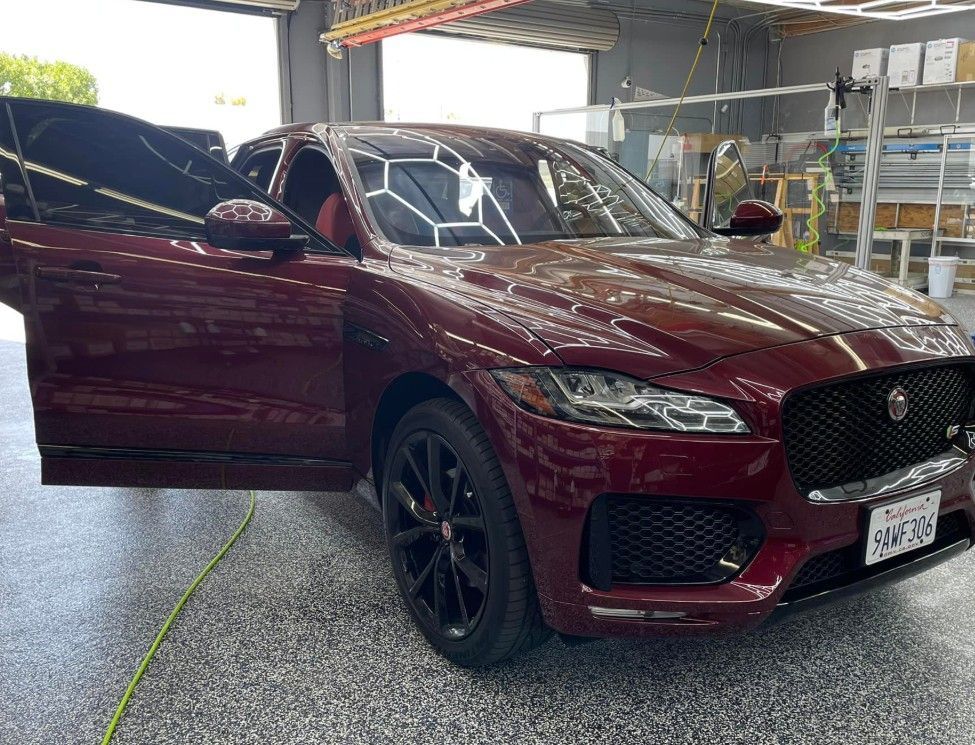
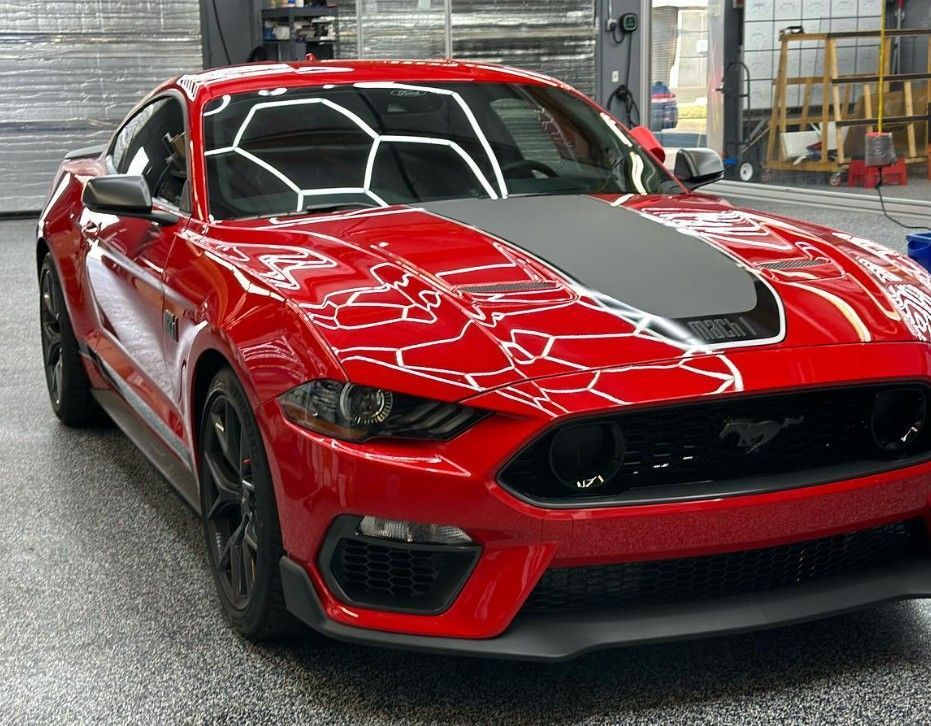
Repairing damaged paint can quickly become a costly affair, particularly for luxury and high-end vehicles. Repainting involves carefully matching the existing paint to avoid mismatches, often requiring surrounding panels to be blended for consistency. Estimates show that while a straightforward single-panel repaint might hover around $1,500, incorporating neighboring panel blending can push expenses upward of $3,000 or more.
An often overlooked consequence is how repainting affects the vehicle's resale value. Buyers tend to be wary of signs indicating prior damage or repainting, which can lead to reduced offers. A pristine original finish adds undeniable value and signals proper care.
Without PPF guarding the paint, minor chips and scratches accumulate rapidly, demanding frequent touch-ups and professional paint correction treatments. The typical paint correction session varies from $300 for minor imperfections to over $2,500 when extensive polishing is involved for luxury vehicles.
"Investing in Paint Protection Film isn't just about keeping your car looking good; it's about smart financial planning over the long term." - Sundown Window Tint
| Expense Type | Without PPF | With PPF |
|---|---|---|
| Initial Repaint | $1,500 - $3,000+ | Usually unnecessary |
| Paint Correction (Every 3-5 Years) | $300 - $2,500+ | Significantly reduced |
| Frequent Minor Touch-Ups | High cumulative cost | Minimal |
| Resale Value Impact | Potential depreciation | Maintains higher value |
Avoiding PPF might seem like saving money initially; however, ongoing repairs, maintenance sessions, and diminished resale value ultimately outweigh those early savings.
Is Paint Protection Film Worth It for Your Vehicle?
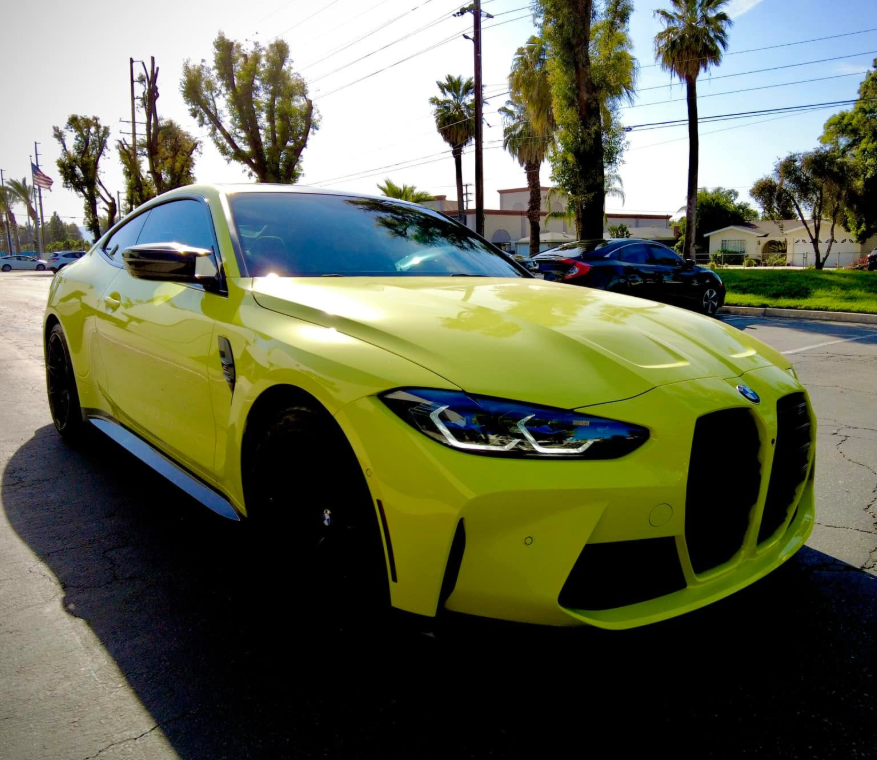
Deciding to invest in Car Paint Protection Film isn't just about shielding your car; it's about understanding how your specific situation shapes that value. High-end cars often sport specialized finishes like matte or pearl that are particularly vulnerable to damage. For these vehicles, PPF acts less like a luxury and more like an essential guard.
Consider the conditions under which you drive. If your daily routes include highways laden with gravel or construction debris, the chance for paint chips increases dramatically. Assess how long you plan to keep your car. If you're thinking five years or more, PPF can deliver notable savings by limiting repairs and preserving resale value.
| Factor | Why It Matters | Impact on PPF Decision |
|---|---|---|
| Vehicle Value | Luxury/specialized finishes cost more to fix | Higher incentive to protect with PPF |
| Driving Conditions | Exposure to debris and environmental elements | Increases likelihood of paint damage |
| Ownership Duration | Longer ownership means more accumulated wear | Greater long-term benefit from PPF |
Protect Your Paint Before Damage Becomes Expensive
Skipping Paint Protection Film may save money today, but the long-term costs of paint repairs, repainting, and lost resale value can add up fast. Investing in high-quality PPF now is one of the smartest ways to preserve your vehicle’s factory finish and protect its value for years to come.
At Sundown Window Tint, we install premium paint protection films designed to guard against rock chips, environmental damage, and daily wear. Our experienced team helps you choose the right coverage based on how you drive, where you drive, and how long you plan to keep your vehicle.
Call Sundown Window Tint at 951-359-0850 or book your consultation today to protect your paint, avoid costly repairs, and maintain your vehicle’s long-term value.