sundown
How to Tell If Your Window Tint Needs Replacement: Signs to Watch For
Window tinting plays a significant role in keeping your vehicle comfortable and protecting your interior from sun damage. But like anything exposed to the elements, window tint wears out over time. Knowing when your tint has gone bad can save you money and hassle down the road. In this guide, we will walk through the common signs that indicate it is time to replace your window tint before problems get worse.
You should replace your car window tint when you notice visible peeling, bubbling, discoloration, or fading. These signs indicate adhesive failure and film deterioration. Ignoring them can lead to reduced heat rejection and privacy, so timely replacement ensures optimal performance and appearance.
Fading or Discolored Window Tint - What It Means
When you first got your window tint, it probably looked sleek and uniform: dark, rich, and smooth. Over time, that vibrant appearance deteriorates. You might notice sections where the color shifts to an uneven gray or develops a purple or brownish hue. This is not just an aesthetic concern; it signals that the protective qualities of the film are wearing away.
Window tints shield your vehicle's interior from harsh UV rays, reduce heat, and provide privacy. When those colors fade, so does their effectiveness. The fading process typically begins around the edges where the film is most exposed to sunlight. High temperatures accelerate this deterioration: regions experiencing frequent heat above 100°F often see tint degradation happen 30% faster than cooler climates.
Lower-quality dyed films tend to show discoloration between two and three years, while ceramic or premium films can maintain their color integrity for seven to ten years thanks to advanced materials designed to resist UV breakdown.
| Feature | Timeline / Loss |
|---|---|
| Dyed window tints | Visible discoloration at 2 to 3 years |
| Quality ceramic tints | Color stability up to 7 to 10 years |
| UV blocking efficiency | Decreases 10 to 15% annually in heavy sun |
If you notice premature discoloration, it could indicate inferior film quality, poor installation, or exposure to harsh conditions like intense sun, humidity, or temperature swings. Once fading begins, it usually worsens over two to four years, diminishing visibility through cloudy panes and increasing interior exposure to damaging UV rays.
If your windows look dull or exhibit color changes near corners and edges, scheduling a professional inspection with Sundown Window Tint is wise. Our experts can determine if a simple cleaning suffices or if full replacement is necessary. Sundown uses only premium-grade materials designed for long-lasting performance.
Bubbles or Peeling - Signs of Adhesive Failure
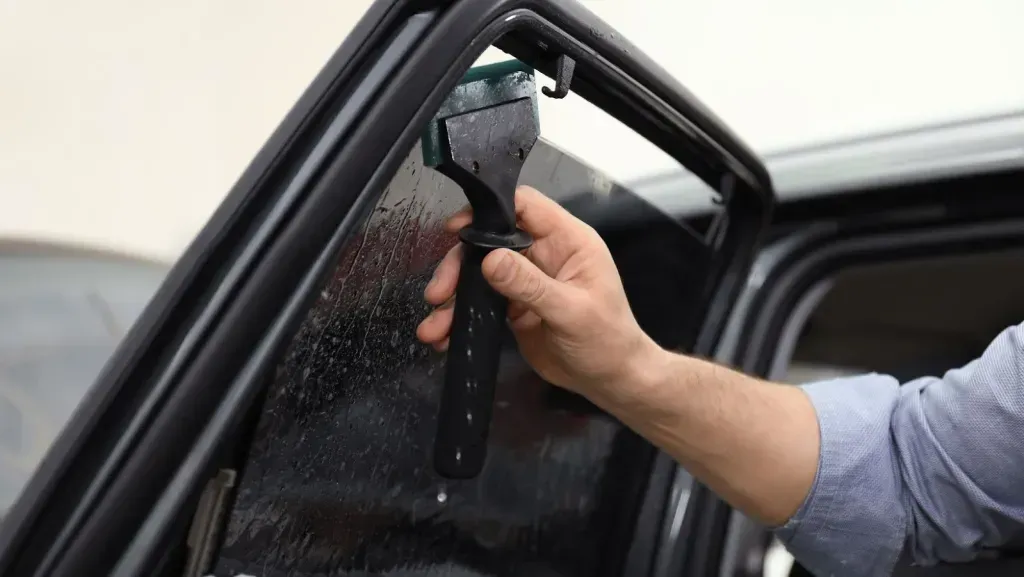
When bubbles start forming on your window tint, the adhesive holding the film to the glass is failing. These bubbles trap air and moisture, which can quickly worsen the damage from underneath. Bubbles typically appear within one to three years of installation, depending on film quality and installation craftsmanship.
Peeling usually begins at the edges where tension is highest. It can start small, such as a corner lifting up, but if unchecked, it spreads across the entire pane. Once an edge lifts, it catches onto dust, weather elements, and even car washes, accelerating breakdown.
If you notice bubbles larger than 3 millimeters (roughly 1/8 inch) or peeling that exposes more than 10% of your window surface, it is time for full replacement.
| Issue | Explanation |
|---|---|
| Trapped Moisture | Bubbles hold moisture that encourages mold growth or damages window seals. |
| Degraded Visibility | Distorted areas affect aesthetics and sight lines while driving. |
| Reduced UV Protection | Broken adhesion means less effective sunlight blocking, exposing you to harmful rays. |
| Potential Safety Issues | Compromised tint can peel further or shatter under stress more easily. |
Well-installed quality tint lasts between five to seven years before bubbling or peeling appears under normal conditions. However, high UV exposure or humidity above 60% can speed deterioration by 25 to 30%. Regular checks are especially vital if you live in sunnier or more humid climates.
Scratched or Cracked Tint - How Damage Affects Performance
Even the sturdiest window tint begins to show wear over time, especially on vehicles that see heavy daily use. Think about family cars where windows are rolled down frequently or service vehicles exposed to diverse environments. In these scenarios, scratches and cracks often become apparent, creating tiny imperfections that carry deeper consequences.
Abrasive grit caught between the glass and tint film each time you roll your window creates friction that slowly tears at the surface. Everyday activities accelerate this process: pets stretching their claws against the window or children with sharp objects add to the damage. Many people unknowingly use rough cloths or harsh chemicals that erode the delicate tint layer rather than preserve it.
As scratches grow beyond 1 millimeter, studies show up to a 20% reduction in UV ray blocking capacity. Micro-abrasions scatter light unevenly, causing increased glare and reducing nighttime visibility by approximately 15%. Cracks appearing within six months of installation often signal poor-quality materials or subpar application
methods.
| Damage Type | Performance Impact | Typical Lifespan |
|---|---|---|
| Minor Scratches | Up to 20% UV blocking loss | 3 to 5 years |
| Micro-Cracks | Increased glare, decreased clarity | 3 to 7 years |
| Widespread Cracking | 30% drop in heat rejection | End of useful life |
Preventive care matters: always clean tinted windows with soft microfiber cloths and cleaners designed for automotive glass. Avoid ammonia-based products or harsh scrubbing tools. If you detect cracks or increasing scratches, consulting a professional from Sundown Window Tint helps maintain your tint's effectiveness.
Reduced UV Protection and Heat Rejection
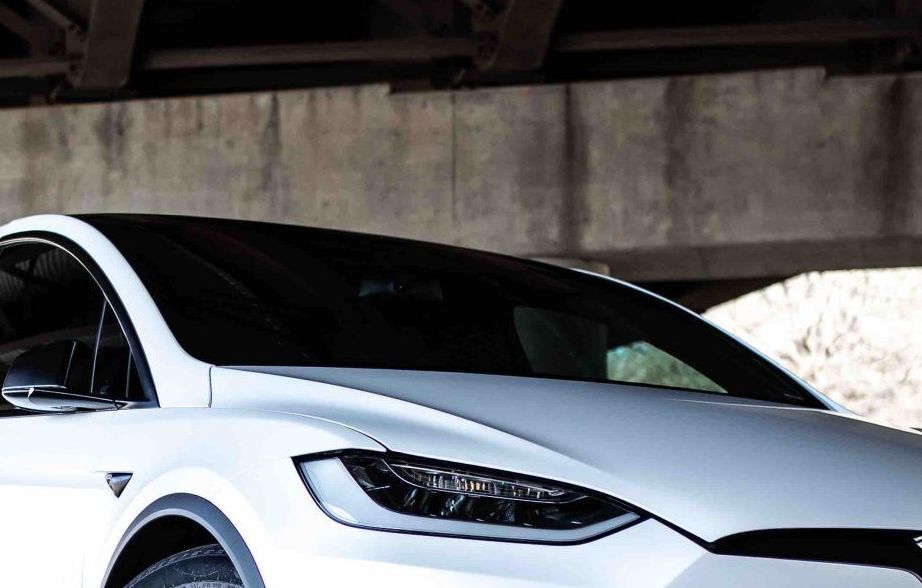
Automotive window tint serve a critical role in shielding your vehicle from harmful ultraviolet rays and reducing solar heat. High-quality films block up to 99% of UV radiation when new, effectively protecting both passengers and interior materials. However, after five years, some films may lose 20 to 30% of their UV-blocking power. This means more sun rays penetrate your windows, accelerating interior damage and discomfort.
Faded tints also lose heat rejection efficiency. Originally installed tints might have blocked 50 to 60% of solar heat, but after significant wear, they can drop to around 35 to 40%. This decline forces your air conditioning to work harder, impacting fuel economy and adding wear to the car's components.
As tint fades, visible light transmission increases by 10 to 15%, meaning your privacy decreases along with sun protection. In areas exposed by peeling or cracks, your glass offers 100% UV penetration, creating hotspots that accelerate fading of seats and dashboard drastically.
Regularly inspecting your tint for signs of fading, especially if you notice increased interior heat or fading upholstery, is crucial. Professional services at Sundown Window Tint provide expert evaluation and reapplication options with warranties for peace of mind.
Window Tint Replacement Costs - What to Expect
Several factors influence replacement pricing. Vehicle size is a primary consideration: compact cars generally cost $100 to $200, while SUVs and trucks range from $300 to $500. High-end or luxury vehicles may require specialized films and skilled craftsmanship, pushing prices toward $800 or beyond.
Material choice also significantly affects cost. Standard metalized films are affordable but may interfere with electronic signals. Carbon tints offer improved heat rejection without interference, ranging from $250 to $400. Premium nano-ceramic films provide superior UV protection, exceptional heat blocking, and remarkable durability at $400 to $600. This is a worthy investment, especially in hot climates like Riverside where temperature control can dramatically improve comfort.
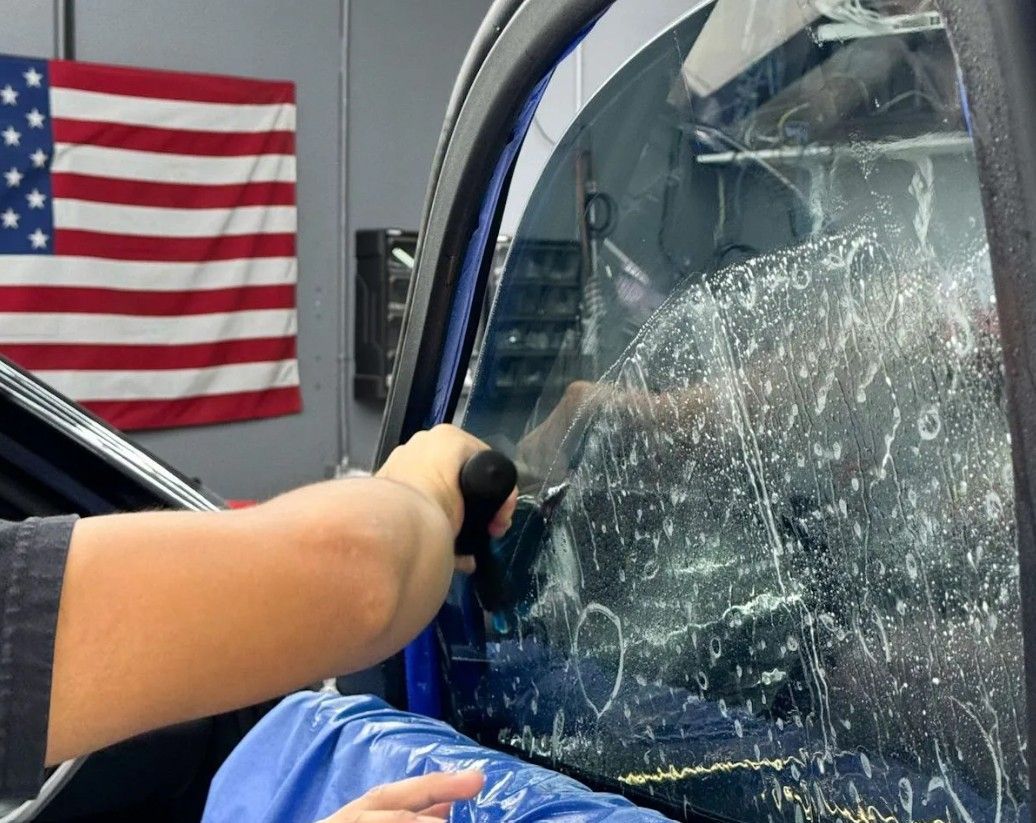
While DIY kits cost only $50 to $100, they rarely match professional quality or longevity. Missteps during self-installation can lead to bubbling, peeling, or uneven finishes requiring costly rework. Reputable tint shops include warranties covering fading and peeling, protecting your investment long-term.
How Worn Tint Impacts Safety and Driving Visibility
Worn-out window tint does not just make your car look less sharp. It can seriously impair your ability to see clearly, turning everyday driving into a risky endeavor. As tint ages, bubbles form, edges peel, and discoloration distorts your view. Imagine navigating busy streets at night with headlights glaring unpredictably off these imperfections.
Legal regulations add urgency to proper maintenance. Many states enforce minimum visible light transmission limits, often requiring front windows to allow at least 70% light through. Tint that is too dark or uneven due to aging can lead to traffic stops and fines.
Tips to Extend the Life of Your Window Tint
Watch for yellowish or cloudy patches indicating sun damage. Avoid DIY patch jobs with harsh adhesives. Schedule professional inspections annually. Use gentle, ammonia-free cleaners. Replace sooner rather than later to prevent visibility-related accidents.
Protect Your Car and Comfort - Replace Your Window Tint Today
Don’t wait for fading, peeling, or damaged tint to compromise your comfort, safety, and vehicle’s interior. Trust the experts at Sundown Window Tint to inspect, repair, or replace your window tint with premium-quality films designed to last.
Call Now: 951-359-0850 or Book Your Consultation Online Today
- Professional installation with long-lasting materials
- Improved UV protection and heat rejection
- Enhanced privacy and driving visibility
Keep your vehicle looking sleek, safe, and cool - act before small issues turn into costly repairs.
Frequently Asked Questions
Q. How does aging affect window tint performance?
A. Over time, UV exposure and heat cause dyes to fade and adhesives to weaken, reducing heat rejection by up to 30% after five years. This leads to bubbling or peeling that signals replacement is needed.
Q. What is the typical lifespan of quality window tint?
A. High-quality window tint films last around 5 to 10 years thanks to advanced materials and UV-resistant coatings. If your tint looks tired before the decade mark, it is time for replacement.
Q. How can I extend my window tint's durability?
A. Clean gently with soft cloths and ammonia-free cleaners. Avoid abrasive materials and park in shaded areas when possible. Studies show UV exposure accelerates degradation by up to 40%, so regular maintenance extends tint life significantly.
Q. Can damaged tint compromise safety or privacy?
A. Absolutely. Peeling tint causes glare that reduces driver visibility, while compromised tint loses UV-blocking power. Faded tint also offers less privacy. Quality tinting blocks up to 99% of UV rays, so when it deteriorates, you lose vital protection for both yourself and your vehicle's interior.