sundown
Top Mistakes to Avoid When Choosing PPF for Your Car: Essential Tips for Paint Protection
Choosing the right paint protection film (PPF) for your car might seem simple: just pick one and get it installed. But there's more to it than meets the eye. The wrong choice can lead to peeling edges, yellowing, or scratches that don't heal. That's why knowing what to avoid is just as important as knowing what to look for when protecting your car's finish. In this guide, we'll walk you through common mistakes many people make so you can save time, money, and headaches down the road.
Ineffective Research on PPF Brands
Many buyers jump into purchasing paint protection film based on price tags or flashy marketing, overlooking the crucial differences that distinguish one brand from another. It's not just about slapping any film on your car; it's about choosing a material engineered with advanced technology to shield your vehicle effectively. For example, brands like XPEL have invested heavily in developing films with self-healing capabilities, meaning minor scratches vanish with heat or sunlight exposure. This feature alone can save you countless trips for touch-ups and maintain your car's flawless finish.
At the same time, lesser-known or generic brands may lack such innovations, potentially letting small damages accumulate and dull your paint over time. Without proper research, some buyers end up with films prone to yellowing or bubbling, which not only looks unattractive but can actually reduce resale value. Knowing a brand's history, reputation, and technological edge empowers you to make an informed choice rather than gambling on unverified products.
Ignoring Customer Feedback
Jointly considering professional advice and consumer feedback creates a comprehensive picture allowing you to weigh pros and cons realistically. Reading customer reviews reveals the practical realities behind product claims. While brand websites focus on promotional angles, forums and review platforms present genuine user stories, both praises and grievances.
For instance, a driver who installed Llumar Platinum might highlight how well its hydrophobic coating repels dirt in rainy climates or mention any issues with installation bubbles in tight curves. These shared experiences bring to light factors that manufacturers might gloss over, such as how well the adhesive holds up after months of sun exposure or whether the film resists discoloration on vehicle edges.
Choosing Based on Price Alone
Price is a straightforward number that everyone understands, and naturally, we want to get the best deal possible when investing in something like PPF. But here's the catch: leaning too heavily on cost alone often leads buyers into a trap. Imagine buying the cheapest option without considering the film's quality or the expertise of the installer. The result? The "savings" may evaporate quickly as cheap films tend to lose their protective properties sooner, discolor, or even peel. This means you end up paying more over time, not just in money but also in frustration and potential damage to your vehicle's finish.
Many inexpensive PPF products cut corners by using lower-grade materials that don't offer the same level of resistance to scratches, stains, or UV damage. For instance, buying a budget film might save you a few hundred dollars upfront, but after just a couple of years, it could start yellowing or developing bubbles due to inferior adhesives and lack of self-healing technology.
Opting for a low-cost installer often means accepting rushed preparation and less-than-ideal application environments. This can manifest as edge lifting, trapped dust beneath the film, or uneven seams that not only look bad but reduce protection where it matters most.
It's wise to approach PPF purchase decisions with a balanced mindset: don't settle merely for the lowest sticker price; instead, weigh total value by factoring in product durability, installer expertise, shop environment, and warranty offerings. Spending a bit more upfront usually results in savings down the road by reducing replacements and repairs.
Ignoring Installation Expertise
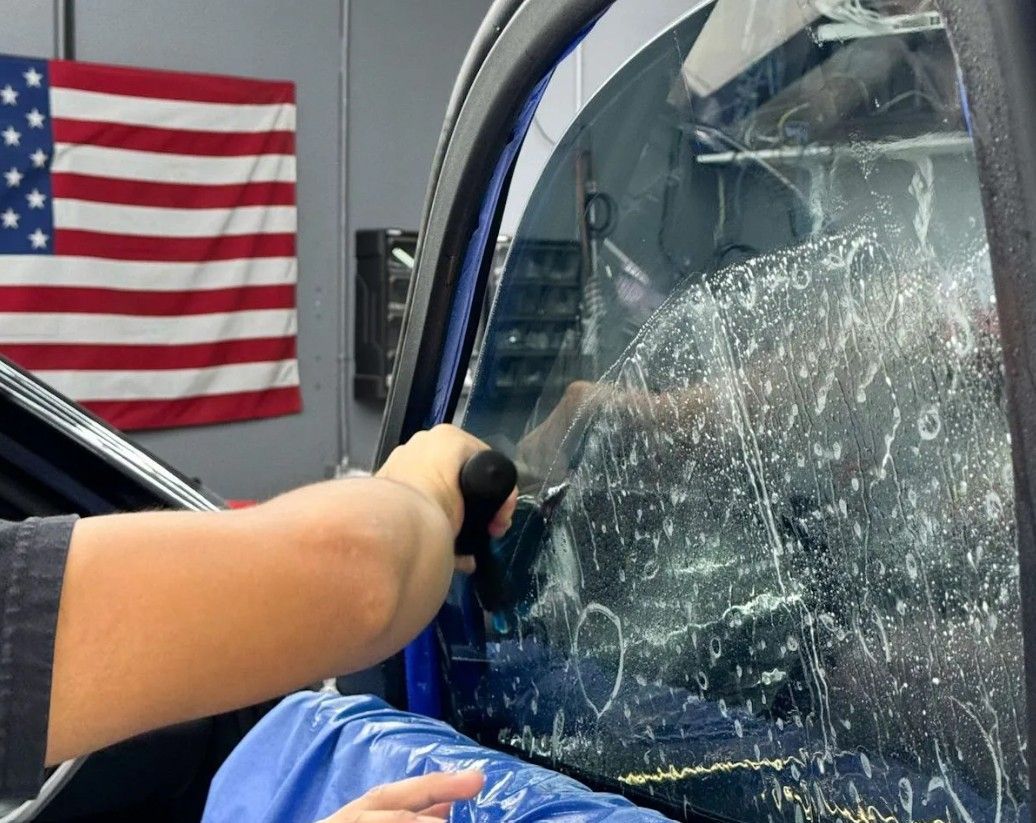
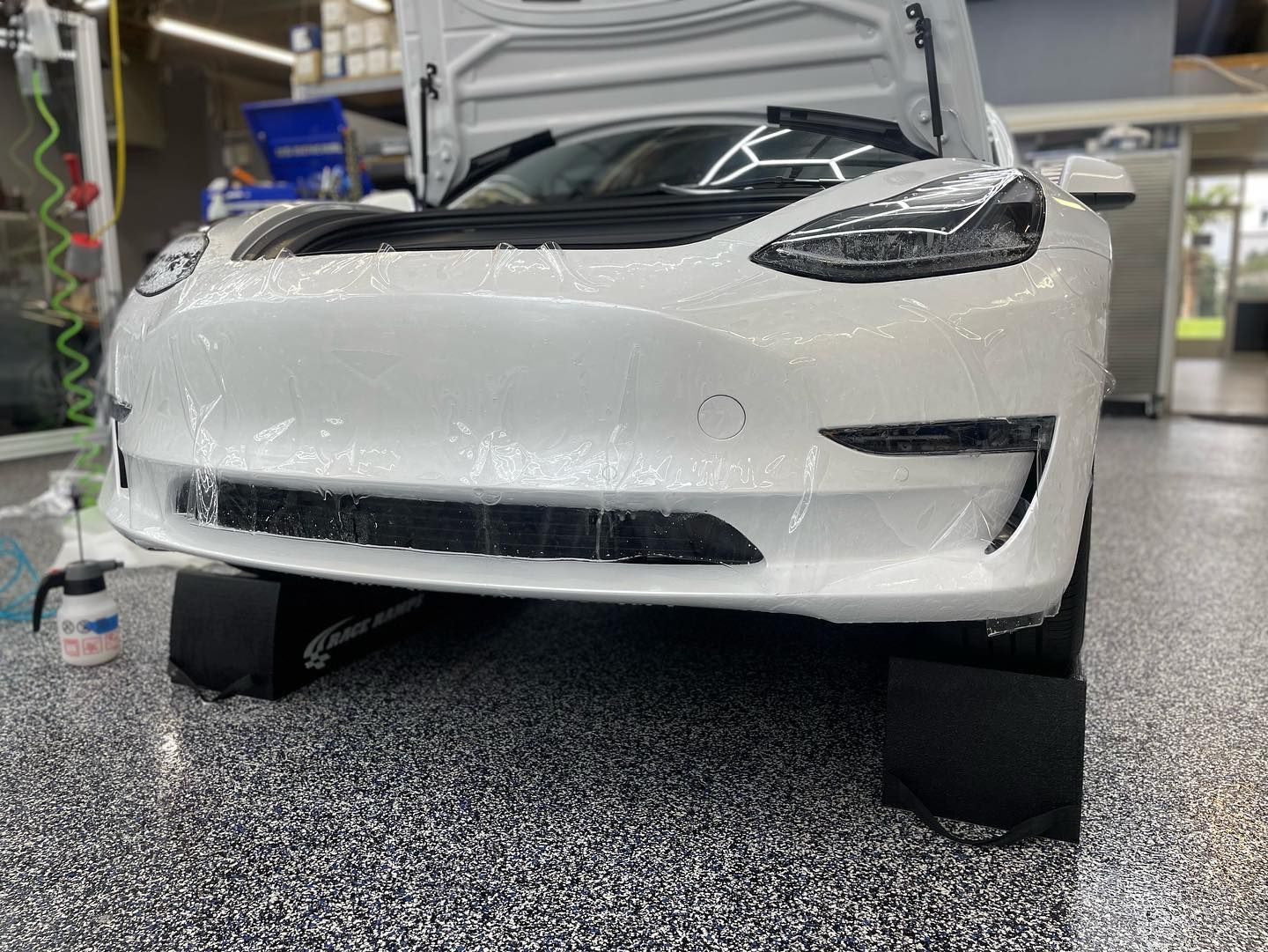
The value of Paint Protection Film (PPF) hinges significantly on the hands that apply it. Even the highest-quality film from trusted brands like XPEL won't deliver its full promise if installed improperly. Installation expertise isn't just a bonus; it's essential to achieving a finished product that looks seamless and offers reliable protection over years. The difference between an amateur job and a certified professional's work can mean avoiding issues like trapped dust, bubbling, edge lifting, or uneven seams that mar both appearance and durability.
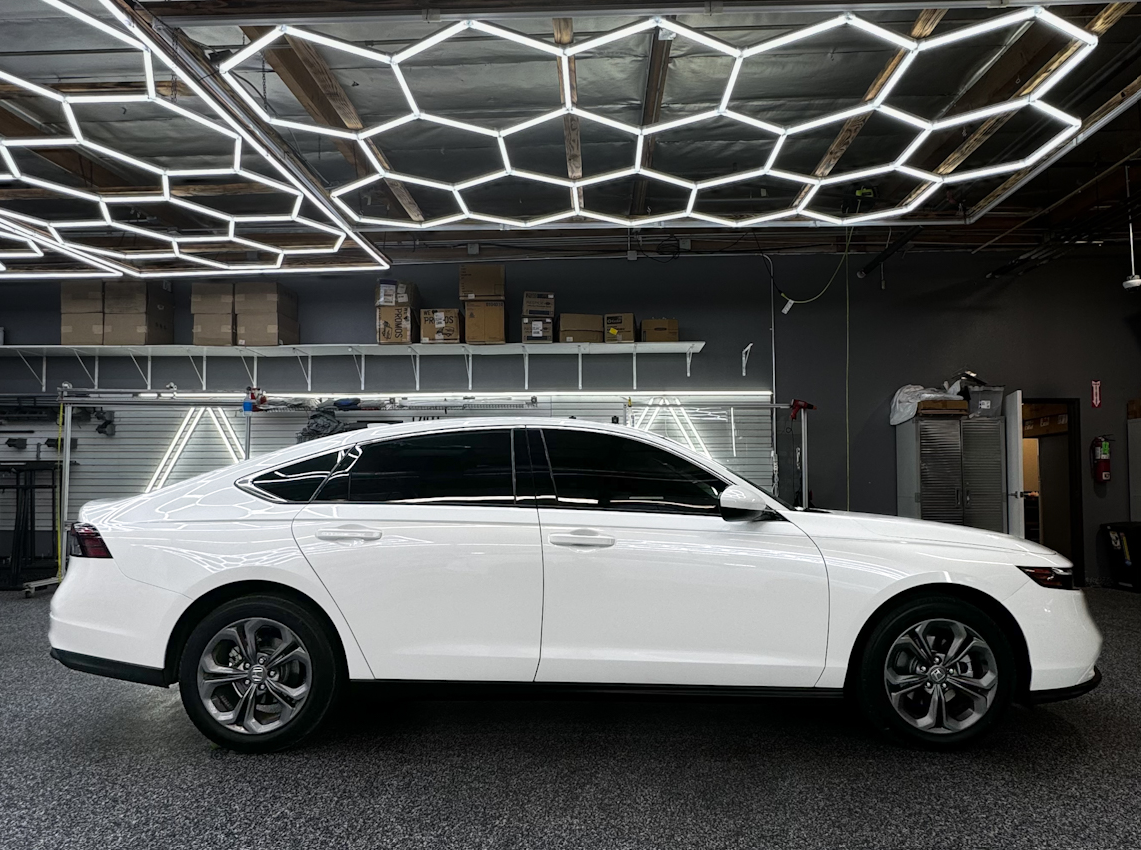
Certified installers have undergone rigorous training to master delicate techniques such as precise surface preparation, meticulous stretching of the film around curves, and careful trimming without damaging your vehicle's paint. They also operate in controlled environments like clean, climate-regulated rooms to prevent contaminants from ruining the finish during application. Without this specialized knowledge and setting, flaws become much more likely, reducing the protective benefit of the film and potentially leading to costly repairs down the road.
To ensure your car receives this expert treatment, always verify whether your installer holds certifications from major manufacturers such as XPEL's Certified Installer program or 3M's Premiere Dealer Network. These credentials indicate adherence to strict quality standards, not merely marketing fluff. Alongside certification, ask for examples of prior installations or client references. A skilled installer is proud to share their portfolio; viewing these will reveal their attention to detail and consistency.
Overlooking Warranty and Longevity
It's easy to get caught up in the aesthetics of paint protection film (PPF), the clear or matte finish, the feel under your fingers, or even brand reputation, but overlooking warranty details can be a costly mistake. Warranties are more than just promises; they're commitments that shield you from defects like yellowing, peeling, cracking, or delamination.
Imagine investing in a high-end PPF and discovering months later that discoloration appears or edges start lifting. That's where a solid warranty saves you time, money, and irritation. Before making any decision, always ask your installer or dealer about what their warranty actually covers and for how long. For instance, XPEL's Ultimate Plus line carries a 10-year limited warranty that protects against environmental damage and aging issues, a level of coverage that reflects confidence in material quality.
Yet, not all warranties are created equal; some may exclude common problems like rock chips or require strict installation and registration procedures to keep coverage valid.
Taking time to understand these nuances upfront ensures you avoid surprises down the road.
The Importance of Longevity
Longevity measures how well a PPF endures the everyday challenges thrown its way, whether it's blistering UV rays during summer drives, pounding rainstorms, freezing winter conditions, or abrasive dirt from off-road adventures. Films built with high-quality materials like aliphatic polyurethane (TPU) paired with hydrophobic topcoats increase resistance to yellowing and stains, preserving clarity and function longer than cheaper alternatives.
For example, in sun-heavy climates such as Southern California or Arizona, UV-resistant films become essential. Films lacking strong UV inhibitors will degrade faster, leading not only to cosmetic problems but also compromised protection.
Conversely, in cold or wet regions, hydrophobic coatings help repel water and prevent grime buildup, meaning less maintenance for you while keeping your car looking pristine.
Balancing Warranties and Longevity in Your Choice
At Sundown Window Tint, we recognize how these factors intertwine because protecting a vehicle's finish isn't just about looks. It's about peace of mind for years to come. We assist customers in choosing quality product lines that balance toughness with aesthetic appeal while standing behind our installations with solid support and clear communication on warranty scopes.
Understanding the balance between warranty coverage and film longevity leads naturally into why paying attention to specific film properties is equally critical when selecting PPF. This focus prevents pitfalls that could undermine your investment early on.
Neglecting Film Properties
Choosing the right paint protection film isn't just about slapping on any clear layer and calling it a day. The subtle but critical characteristics like thickness, clarity, surface texture, and finish play decisive roles in how well the film performs, not only in protecting your car but also in preserving its look. These factors can often be overlooked in the rush to get the job done, yet they fundamentally affect your satisfaction years down the road.
Thickness and Clarity
Film thickness is more than a simple measurement; it directly influences durability and flexibility. A thicker film, generally between 8 to 10 mils, offers enhanced resistance to abrasions, stone chips, and stubborn contaminants. However, this robustness comes with a trade-off: thicker films tend to be less forgiving during installation. They are stiffer and require a skilled hand to apply smoothly over complex curves without bubbles or wrinkles. If improperly installed, the heavy-duty protection could ironically mar your car's appearance.
Conversely, thinner films around 6 mil provide greater conformability, making them ideal for intricate surfaces or DIY enthusiasts. Yet they sacrifice some resilience against impacts and long-term wear. So understanding these nuances helps you balance protection needs with practicality and budget.
In fact, studies comparing various PPF products show that vehicles protected with films above 9 mil thickness exhibited over 30% fewer paint defects due to environmental damage after five years of regular use compared to those with thinner options. This stark difference underscores why thickness should never be an afterthought.
Surface Texture and Finish
Beyond thickness lies the realm of surface texture, where aesthetics meet functionality. Paint protection films don't have to look invisible or plasticky anymore. Thanks to innovations in material science, you can now select from glossy finishes that enhance shine or matte films that mute reflections and hide imperfections elegantly.
While personal taste drives finish preference, it's imperative to ensure that whichever option you choose includes self-healing technology, a hallmark of modern PPFs utilizing elastomeric polymers that "remember" their shape when minor scratches occur. This capability keeps your car looking pristine longer and demands less frequent detailing work.
Remember: A beautiful finish isn't worth much if the film yellows prematurely or loses its scratch resistance over time, so prioritize surface treatments with proven UV resistance and elastomer quality.
Failing to Ask for Sample Comparisons
Deciding on a paint protection film (PPF) without requesting samples is like buying clothes online without trying them on first. Samples give you a tangible sense of how the film will actually behave on your car's surface: how it feels to the touch, how it blends with the paint, and most importantly, how it performs over time. Many car owners skip this step and later find themselves surprised by issues such as premature yellowing, poor adhesion, or an unwanted texture that changes their vehicle's aesthetic.
Requesting sample pieces from your installer isn't just about immediate appearance; it's about anticipating how the film will hold up in real-world conditions. A simple patch in an inconspicuous spot can reveal how a particular PPF reacts to sunlight, environmental contaminants, or washing products. For example, some budget films may look flawless at first but degrade quickly when exposed to UV rays or road salts, leading to discoloration or brittleness. On the other hand, premium films often feature advanced UV inhibitors and hydrophobic coatings that resist staining and remain clear over years. That difference, visible to you through side-by-side sample tests, can save you costly regrets.
Taking this further, you can also test practical aspects like stain resistance, ease of cleaning, and whether minor scratches disappear thanks to self-healing properties.
Performance Testing
This comparison table highlights important technical qualities that impact not only durability but also long-term satisfaction. Thicker films generally offer better protection but can be trickier to install neatly around tight curves. Self-healing technology varies; some films recover minor scratches in just 24 to 48 hours at room temperature, restoring that pristine look quickly without extra effort. Likewise, superior UV resistance reduces yellowing risk significantly, keeping your car sharper and resale value higher.
These side-by-side insights emphasize why selecting PPF based purely on cost might leave vulnerabilities unaddressed. Combining sample testing with detailed performance data empowers you to confidently choose quality films designed for lasting protection tailored to your car and driving habits.
At Sundown Window Tint, we proudly provide expert guidance alongside actual product samples so you can see and feel what sets our XPEL-certified films apart before making any commitments. This hands-on approach ensures peace of mind and satisfaction, not just during installation but for many miles ahead.
Choosing the right PPF means investing in both quality materials and knowledgeable installers who back their work with transparency and support. Armed with samples and solid data, you'll protect your car's finish effectively while enjoying confidence in your decision.
Protect Your Car with Expert PPF Installation
Protecting your vehicle’s finish is more than just aesthetics—it’s about preserving value, preventing minor scratches, and avoiding costly repairs. At Sundown Window Tint, we specialize in expert paint protection film (PPF) installation in Riverside, with trusted service extending to Corona and Ontario.
Our XPEL-certified films feature self-healing technology, superior UV resistance, and hydrophobic coatings to keep your car looking flawless in every season. Paired with our skilled installers, your car receives the ultimate defense against rock chips, sun damage, and everyday wear.
Don’t leave your car’s protection to chance. Call us at
951-359-0850 to
book your consultation for PPF installation today with Sundown Window Tint and enjoy long-lasting beauty, durability, and peace of mind every time you drive.