sundown
How Long Does It Take to Install PPF? Full Timeline & What to Expect
If you're considering paint protection film (PPF) for your vehicle, understanding installation timeframes is essential for planning. Nobody wants to be without their car longer than necessary. What many vehicle owners don't realize is that PPF installation isn't simply applying clear film to paint. It's a meticulous process demanding time, specialized skill, and patience to achieve lasting protection. This article breaks down typical installation duration, key factors affecting timelines, and what happens at each critical step.
Car Paint Protection Film installation typically takes 3 to 4 days for standard full-car coverage, though actual times vary depending on vehicle complexity, installer workload, and equipment availability. Some installations may extend up to two weeks due to scheduling conflicts or material shortages, but thorough communication and careful post-installation inspection ensure quality results.
Factors Affecting PPF Installation Time
Vehicle size significantly impacts installation duration. Larger vehicles have more surface area to cover, demanding additional material and labor hours. Mid-size SUVs or trucks typically require 9 to 14 hours for full wraps depending on their dimensions. However, size alone doesn't tell the complete story. Design complexity (curves, edges, vents, unusual shapes) adds considerable challenge.
Sports cars with sculpted panels or vehicles with gull-wing doors require careful stretching, tucking, and trimming to avoid bubbles or creases. This often involves multiple positioning attempts, requiring patience and advanced skill. Given these nuances, even visually similar cars might have vastly different installation times when one features intricate paneling requiring extra attention.
The type of paint protection film you choose also plays a decisive role. Some high end ppf films feature robust self-healing characteristics and thicker gauges, making them resilient but trickier to handle. Films with specialty finishes (matte or satin surfaces) require additional precision since improper stretching or heat application can permanently alter appearance. Premium products demand more patience but reward with longer-lasting protection.
Steps in the Installation Process
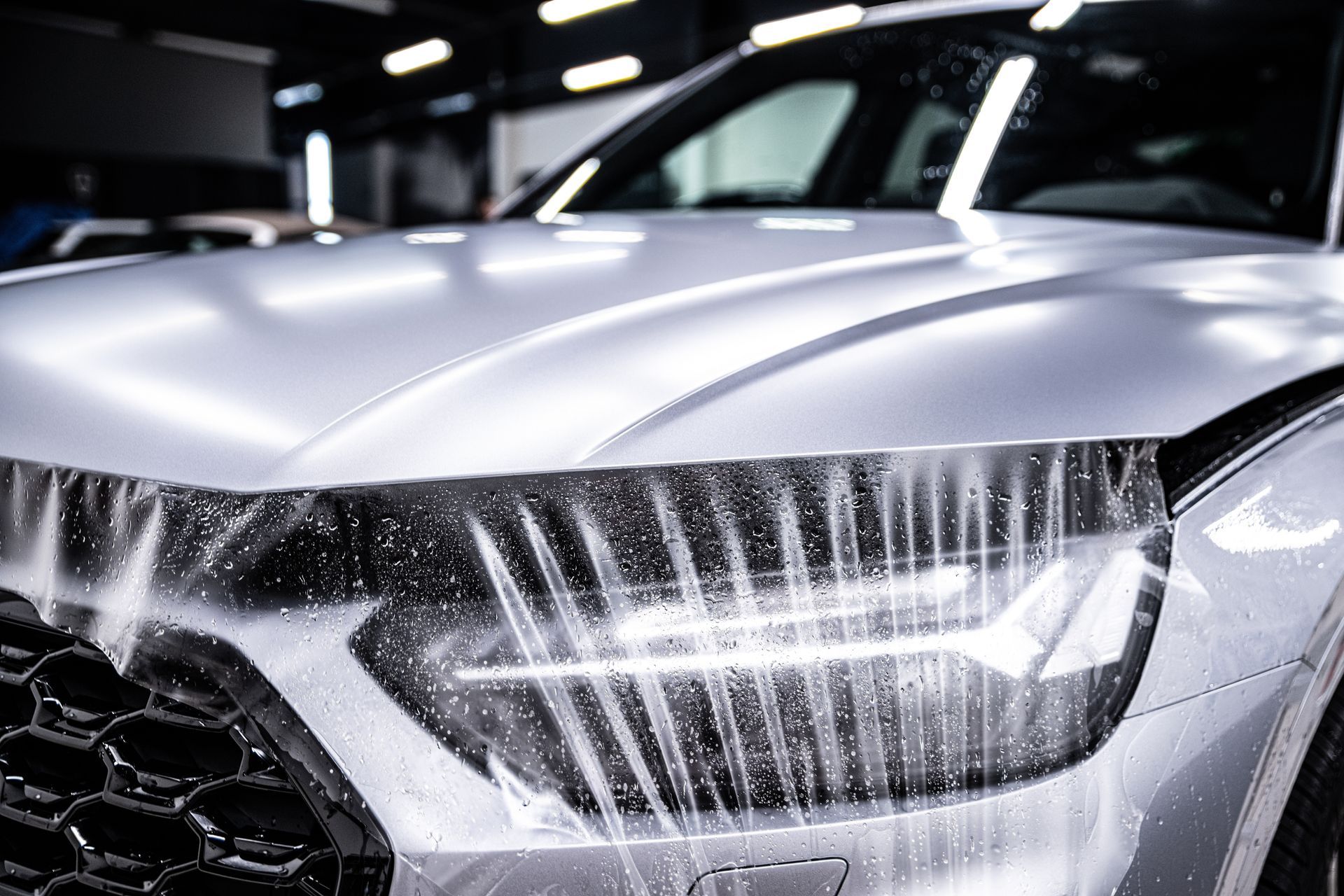
Paint protection film installation follows a methodical procedure requiring precision at every turn. It begins with thorough surface cleaning to remove even the tiniest speck of dirt, grease, or contaminants. Any residue left behind can trap air under film, causing bubbles or weakening adhesion. Professional installers often use clay bar treatment, smoothing microscopic imperfections to create perfect bonding foundation.
Next comes film preparation, cutting PPF to precisely fit vehicle contours. Many professional installers use computer-controlled plotter machines guided by digital templates tailored to specific makes and models, delivering remarkable cutting accuracy. This precision is crucial because incorrectly sized film leads to stretching or gaps, compromising both protection and aesthetics.
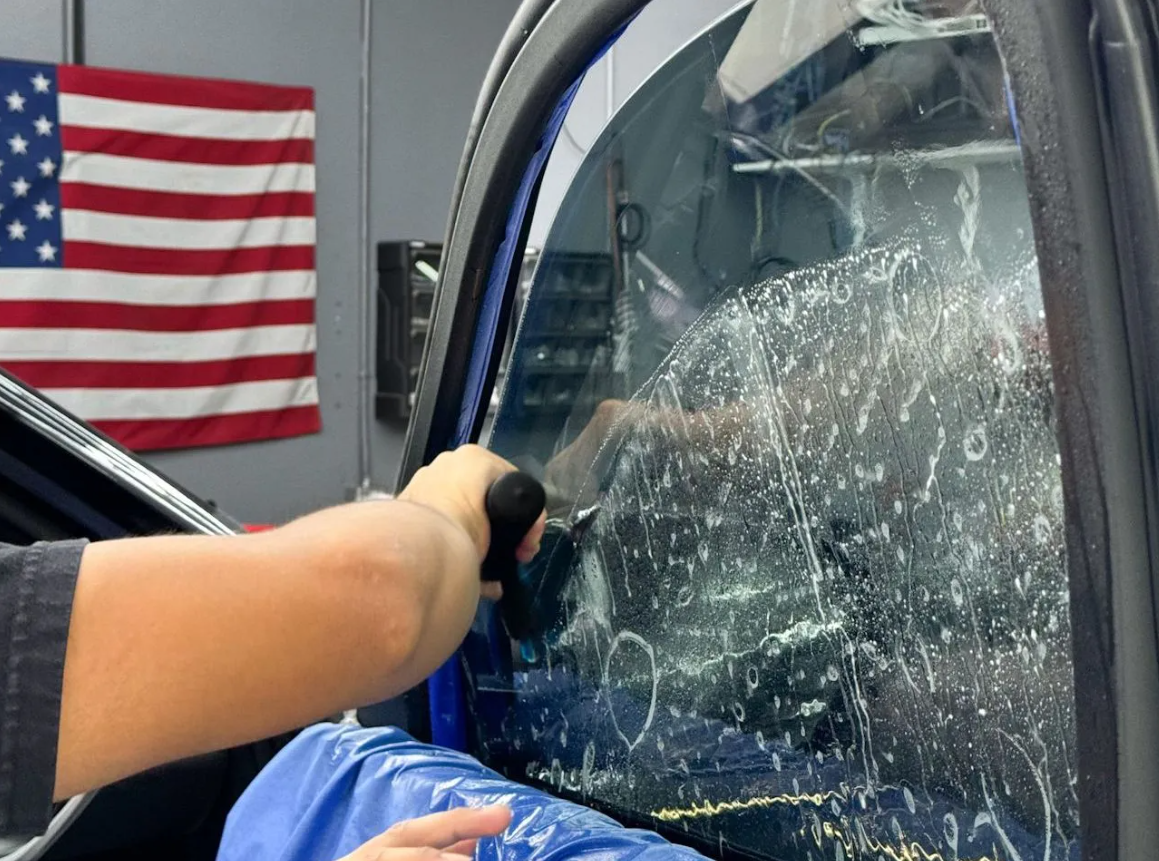
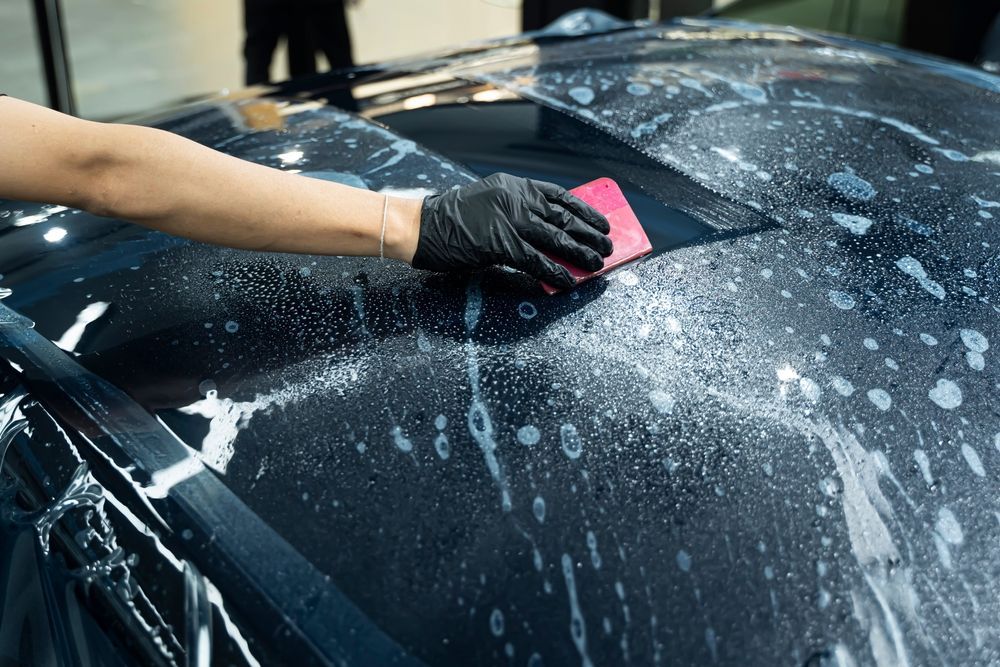
During application, installers spray a solution (water and mild soap) onto the vehicle surface, allowing easy positioning before full adhesion. Using professional squeegees, technicians work carefully to push out trapped air bubbles and excess fluid, gradually pressing film into every curve and crevice. Patience is essential; rushing causes uneven edges or wrinkles undermining durability. Installers often heat edges gently, securing seals against moisture infiltration.
Post-application inspection scrutinizes every detail, checking for lingering bubbles or loose edges. Adjustments happen immediately while film remains flexible. This final quality check separates average installations from exceptional ones, protecting your investment against scratches, stone chips, and environmental wear.
Professional Installation Time Estimates
For typical Paint Protection Film installation, professionals like Sundown Window Tint usually allocate three to four days to complete the job comprehensively. This timeframe encompasses everything from initial surface preparation through final curing. However, duration remains flexible and often extends based on vehicle complexity, coverage area, and paint surface condition.
Preparation work consumes one to two hours, including thorough cleaning and sometimes paint correction procedures. Skipping proper prep is like painting over a dirty wall without cleaning first. Eventually, problems emerge. This extra care prevents bubbles or peeling and enhances durability.
Film application requires three to five hours of concentrated work. Experts at Sundown Window Tint stretch and align the clear polyurethane film perfectly across curved surfaces without trapping dust or air pockets. Intricate designs or full car wraps naturally require more time than partial coverage. Finishing touches consume another one to two hours as technicians trim excess material, eliminate remaining bubbles or wrinkles, and ensure all edges are perfectly sealed. It's almost like tailoring a suit; every inch must fit precisely.
The curing period, though often overlooked, proves vital. Freshly installed PPF needs 24 to 48 hours without washing or harsh elements so adhesive bonds optimally with paint. Avoid automatic car washes, especially those with abrasive brushes, during this window. Think of it as letting fresh glue dry completely; rushing compromises strength and longevity.
Common Delays and Issues
Equipment failure represents one of the most frequent culprits behind unexpected delays. Plotter machines (precision devices cutting film to vehicle contours) are delicate specialized technology. Malfunctions like broken blades or software glitches can halt projects entirely. Waiting for repairs or replacement parts means valuable lost days, especially if components aren't readily available.
Material shortages also cause delays. Paint Protection Film isn't maintained in endless stock since it's typically special-ordered to match vehicle specifications. Running out mid-installation means work stoppages while waiting for replacement inventory. Reputable shops like Sundown Window Tint emphasize careful inventory management and thorough pre-job planning to mitigate these risks.
Scheduling conflicts represent another common delay source. Professional installers often juggle multiple appointments, and overbooking can push back scheduled time slots unexpectedly. This intensifies during busy seasons when demand for quality PPF application peaks. Installer proficiency directly impacts speed and precision. Those unfamiliar with specific vehicle models might need extra time navigating unique design features. However, professional installers prioritize meticulous preparation over arbitrary deadlines because properly applied film protects vehicle paint long-term.
Quality Considerations for PPF
High-quality PPF installation requires precision craftsmanship and meticulous attention at every step. The process begins with thorough vehicle preparation, removing dirt or microscopic debris that could cause imperfections. Even tiny particles create bubbles or blemishes, undermining appearance and protection.
Film edges must be precisely heat-sealed during installation, solidifying adhesive bonds and preventing premature lifting. This technique is often overlooked by less experienced installers. Additionally, avoiding overstretching is critical. Though PPF possesses remarkable elasticity, excessive stretching compromises integrity, making film thinner and more damage-prone. Expert installers understand material limits and use careful techniques ensuring optimal fit without weakening film.
Tips for a Smooth Installation Process
Preventing installation headaches begins with maintaining open communication with your installer. Discuss realistic timelines upfront and provide your vehicle ahead of schedule, giving installers adequate room to manage workload effectively and minimize surprises. Choose experienced installers who skillfully handle difficult curves without overstretching film or leaving visible seams. These professionals anticipate potential snags and work around them smartly.
Installation environments should remain dust-free, shaded, and maintain temperatures between 60°F and 80°F. This moderate climate keeps film flexible and allows proper adhesive bonding. Ensure your car is clean before drop-off; even tiny particles can cause adhesion failures. After application, avoid washing for at least seven days, allowing adhesives to cure completely. Inspect carefully once done, verifying edges are properly heat-sealed. Addressing imperfections immediately saves bigger headaches later.
Key Tips Summary:
• Communicate clearly about timelines and potential delays • Select installers with strong experience and positive feedback • Ensure installation happens in controlled environments • Prepare your car thoroughly before drop-off • Practice patient post-installation care for best results
Schedule Your Professional PPF Installation with Confidence
Understanding the PPF installation timeline helps you plan properly and ensures you get results that truly protect your vehicle. At Sundown Window Tint, our certified installers follow a detailed, quality-first process that delivers precise fitment, durable protection, and flawless finish for every vehicle we service.
If you’re considering Paint Protection Film and want clear expectations, honest timelines, and expert craftsmanship, our team is ready to help. Call 951-359-0850 or contact us online to schedule your consultation and protect your vehicle with professional PPF installation you can trust.